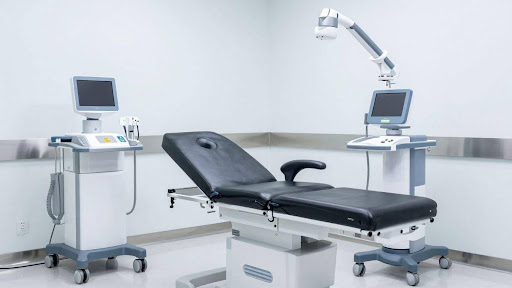
Investing in clinical technology remains a fundamental requirement for maintaining standard patient care. Practice owners must balance the push for modern diagnostic equipment with the reality of current operating expenses. Careful planning ensures that capital remains available for daily operations while keeping the facility competitive.
Managing upfront capital outlays
Down payments for high-value diagnostic machines represent a significant hurdle for smaller practices. Managing these costs effectively requires a clear understanding of the difference between total ownership cost and monthly budgetary capacity. Decisions to buy must be weighed against immediate cash needs to avoid potential insolvency.
Assessing the liquidity needs of a practice
Liquidity serves as the financial cushion that absorbs unexpected drops in patient volume or clinical emergencies. It is necessary to maintain enough cash on hand to cover several months of overhead expenses regardless of planned investments. Practitioners often evaluate their liquid assets against upcoming debt payments before committing to credit.
Predicting revenue cycles and peak demand periods
Revenue fluctuations are typical for many medical practices, especially during seasonal shifts in demand. Aligning equipment purchases with times of historically high revenue can soften the impact of debt repayment obligations. Understanding these cycles helps owners choose the right time to seek financing or delay non-essential purchases.
Evaluating common types of healthcare practice loans
Selecting the right financing model determines how a clinic manages growth and stability. Many professionals engage with specialized lenders such as Live Oak Bank or U.S. Bank to find tailored solutions that fit their unique cash flow demands. Understanding these options requires a look at how different debt structures serve specific operational goals.
Leveraging term loans for high-cost assets
Term loans provide a structured pathway for acquiring expensive, long-term medical assets. Because these loans come with fixed repayment schedules, they offer predictable costs that simplify monthly expense tracking. Borrowers often appreciate these instruments when the goal is to fully own the equipment by the end of the loan term.
Using equipment leases to conserve liquidity
Leasing allows a practice to access necessary technology without the burden of a massive initial investment. It effectively keeps cash liquid for payroll, rent, and general supplies. The following table illustrates how different financing methods influence the total cost of ownership.
| Financing Method | Upfront Cost | Ownership Status | Flexibility |
| Traditional Term Loan | Moderate | Full Asset Ownership | Low |
| Capital Lease | Low | Potential Buyout | Medium |
| Operating Lease | Minimum | No Ownership | High |
These structures demonstrate how a practice might choose between short-term flexibility and long-term equity. By comparing these categories, clinicians can align their equipment needs with their existing fiscal constraints.
Implementing revolving lines of credit for flexibility
Revolving credit lines provide necessary breathing room for practices facing variations in operating expenses. They allow for the quick procurement of supplies or minor equipment upgrades as needed without undergoing a formal loan application every time. Utilizing these tools wisely requires maintaining a disciplined approach to borrowing to avoid accumulating excessive interest.
Determining whether to lease or purchase technology
Technology choices involve weighing the benefits of ownership against the logistical challenges of maintenance. Every piece of equipment has a limited lifespan, influencing how it should be funded. Choosing the best financial strategy for long-term growth means balancing tax benefits with the reality of clinical lifecycles.
Analyzing the tax benefits of asset ownership
Ownership often provides specific tax advantages that can lower the net cost for a thriving medical business. Deducting the purchase cost through depreciation can offer significant relief when the taxable income is high. Consulting with a professional ensures that a practice can fully realize these potential savings within their current tax strategy.
Accounting for typical equipment depreciation
Equipment value declines as newer technology reaches the market, which impacts the balance sheet of the practice. Understanding how depreciation works over the expected life of the asset is essential for accurate accounting. This knowledge helps owners determine if the asset truly provides long-term value or if leasing is the superior option.
Mitigating the risk of clinical obsolescence
Clinical tools often reach a point where updates or replacements are required for ongoing efficacy. Leasing keeps a practice agile by allowing it to swap older gear for the most current options without ownership risks. This approach ensures that patients always have access to the latest diagnostic capabilities without the clinic being tied to outdated hardware.
Key financial metrics lenders review for medical practices

Lenders assess the health of a practice before approving any healthcare practice loans to minimize their own risk. Providing clear historical data proves that the business can support new debt alongside existing obligations. Bankers look for indicators that the practice is managed with care and foresight.
Demonstrating consistent net revenue
Net revenue visibility acts as the primary signal of practice stability for most financial institutions. Lenders want to see steady income patterns that confirm the business can handle debt service comfortably. Producing detailed reports showing these trends is essential for demonstrating financial health when seeking credit.
Optimizing your debt-to-income ratio
Maintaining a clean debt-to-income ratio shows that the business is not over-leveraged and remains capable of growth. A lower ratio gives lenders confidence in the ability of the owner to handle additional loan commitments. Managing existing debt while seeking new financing is critical for securing favorable interest rates and terms.
Organizing financial documentation for rapid approval
High-quality financial records speed up the underwriting process by answering lender questions before they are asked. Well-prepared paperwork includes organized tax filings, profit and loss statements, and detailed balance sheets. This efficiency reflects positively on the business owner and their organizational standards.
Strategies for preserving working capital during acquisition
Working capital is the lifeblood of a functioning medial office. During equipment acquisition, keeping a reserve of cash ensures that the practice can handle any unexpected events without requiring further assistance. Applying specific strategies allows for growth without exhausting available cash reserves.
Utilizing low-down-payment financing programs
Low down payments allow a practice to obtain necessary equipment while keeping significant cash reserves intact for daily operations. This approach is common in healthcare practice loans where the lender understands the specific cash-heavy nature of clinical work. The following points highlight how to maintain healthy capital levels throughout the expansion:
- Prioritize financing options that offer flexible repayment structures to match clinical earnings.
- Negotiate terms that include equipment installation within the original loan amount.
- Review potential service contracts to ensure maintenance costs do not spike unexpectedly.
- Retain a portion of cash for unplanned maintenance on existing facilities.
Applying these practices helps maintain a stable buffer that protects the clinic from cash flow volatility during capital investments.
Matching repayment terms to the equipment’s useful life
Aligning loan repayment lengths with the life of the machine prevents a situation where a practice is still paying for an asset it no longer uses. If a device has a five-year life, structuring the debt term similarly ensures a logical flow of costs. This matching principle aligns the financial liability with the actual utility of the equipment.
Incorporating maintenance and service costs into financing
Integrating service contracts and maintenance into the equipment loan provides peace of mind for the practice owner. By rolling these costs into a single payment, budgeting becomes much simpler over the life of the device. This strategy prevents surprise service bills from disrupting the monthly financial balance of the practice.
Steps for securing competitive financing terms
Securing the best loan conditions requires proactive communication with financial partners. A business owner who enters negotiations with evidence of strong revenue and low risk is well-positioned to request favorable terms. Preparation changes the dynamic from a one-sided solicitation to a collaborative business discussion.
Preparing a compelling business proposal for lenders
A professional business proposal outlines why the new equipment is vital for growth and how the practice will manage the repayment. It should highlight the specific advantages the addition brings to the clinical service offerings and revenue potential. Providing a clear roadmap builds trust with lenders who are evaluating the long-term viability of the investment.
Comparing specialized healthcare lenders versus traditional banks
Traditional banks offer a wide range of services, but healthcare-specialized lenders often have a deeper understanding of industry-specific equipment needs. Comparing terms across both types of institutions reveals which entity is better suited for a specific practice. Often, lenders focusing on the medical field provide more flexible covenants that account for the nuances of healthcare businesses.
Decoding hidden fees and restrictive loan covenants
Fees and covenants often represent the difference between a neutral loan and a detrimental one. Owners should scrutinize every clause to ensure they are not trapped by restrictive conditions that limit their operational autonomy. Transparency in these agreements is essential for any long-term business arrangement.
Conclusion
Financing new medical equipment is a strategic activity that requires careful assessment of cash flow and long-term business goals. By evaluating loan structures, maintaining transparent documentation, and working with specialized lenders, practitioners can secure the tools they need while maintaining a stable financial foundation. Taking these measured steps ensures that the clinic remains focused on providing quality care while ensuring the business thrives in a competitive environment.