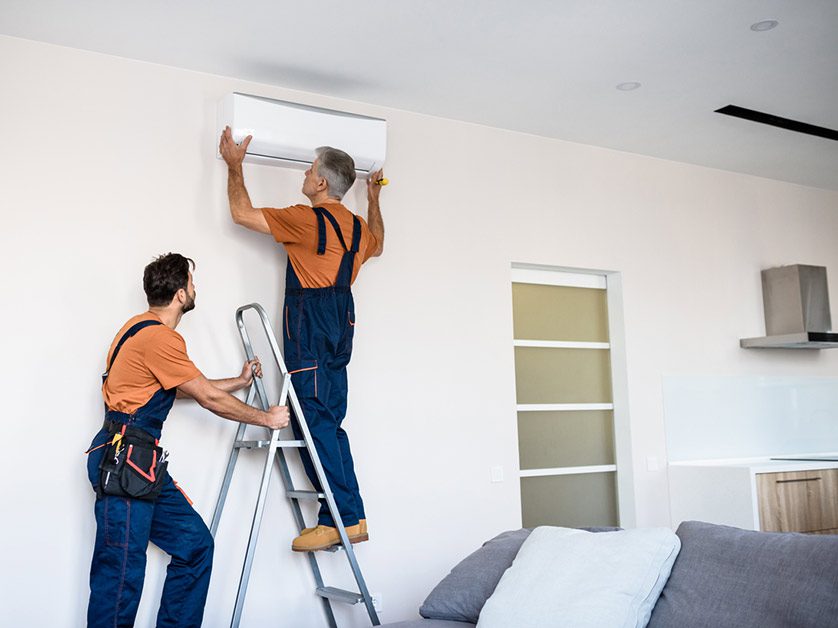
Home renovation projects often focus on visible improvements such as new flooring, expanded living spaces, updated kitchens, or modern bathrooms. While these changes transform the appearance and functionality of a home, they can also affect the heating and cooling system in ways that are not immediately obvious. Walls may be moved, insulation may be upgraded, windows may be replaced, and room layouts may be adjusted, all of which influence airflow and indoor comfort. Coordinating these changes with an air conditioning contractor helps ensure the HVAC system continues supporting the home’s new design efficiently. Careful planning during renovation reduces unexpected complications, prevents unnecessary expenses, and creates a more comfortable living environment for years after construction is complete.
Planning HVAC Around Renovation Goals
Understanding How Renovations Affect Cooling Performance
Every renovation changes the way a home functions, even if the project appears unrelated to climate control. Adding rooms increases the amount of space that requires conditioned air, while removing walls can completely alter airflow patterns. Installing larger windows brings in more sunlight, increasing cooling demand during warmer months. Improved insulation may reduce energy loss but can also change how quickly indoor temperatures fluctuate throughout the day. An air conditioning contractor evaluates these variables before construction begins, helping homeowners understand whether the existing system can continue meeting comfort requirements after the renovation is complete.
Instead of waiting until problems arise after the project finishes, contractors identify potential issues early and recommend adjustments that align with the renovation plan. Their involvement allows construction teams and homeowners to coordinate mechanical work with structural changes, preventing conflicts that could delay progress or require expensive corrections later. A thoughtful approach ensures that every improvement in the home works together rather than creating hidden challenges for indoor comfort.
Coordinating Mechanical Systems with Structural Changes
Successful home renovations depend on different trades working together rather than independently. Electricians, plumbers, carpenters, insulation installers, and HVAC professionals all contribute to the finished result. An air conditioning contractor reviews renovation drawings to determine whether ductwork, vents, refrigerant lines, or equipment locations will interfere with new construction plans. This coordination prevents situations where newly installed cabinets block air vents or ceiling changes restrict duct placement. During remodeling projects in Savannah, homeowners often discover that integrating HVAC planning early creates smoother construction schedules and fewer unexpected modifications.
Rather than forcing cooling equipment into spaces that were never intended to accommodate it, contractors help design practical solutions before walls are closed. This collaboration also minimizes disruptions because mechanical adjustments can be made while access is readily available, reducing the need to reopen finished surfaces. Careful communication between contractors and builders contributes to a renovation process in which structural improvements and indoor comfort systems evolve together without unnecessary setbacks or rework.
Improving Air Distribution Throughout the Updated Home
A renovated home often features different room sizes, altered ceiling heights, and modified floor plans that affect how conditioned air moves throughout the property. Existing ductwork designed for the original layout may no longer deliver balanced airflow after these changes. Some rooms can become warmer than others, while newly added areas may receive insufficient cooling altogether. An air-conditioning contractor evaluates air distribution using the updated floor plan rather than relying on previous system configurations. Adjustments may involve resizing ducts, relocating supply vents, modifying return air pathways, or introducing zoning solutions that allow different areas to maintain comfortable temperatures independently.
These improvements help eliminate uneven temperatures that frequently occur after remodeling projects. Attention to airflow also contributes to quieter system operation because equipment does not need to compensate continuously for poorly balanced circulation. By considering the home’s new configuration during renovation, contractors create conditions where each living space receives consistent comfort, supporting both functionality and long-term satisfaction with the completed project.
Protecting Indoor Air Quality During Construction
Construction activities introduce significant amounts of dust, debris, and airborne particles into a home. Demolition, sanding, drywall installation, flooring replacement, and painting all release contaminants that can enter HVAC equipment if proper precautions are not taken. An air conditioning contractor helps protect the system by recommending temporary filtration measures, sealing exposed duct openings, and determining whether equipment should remain operational during certain phases of construction. These precautions reduce the likelihood of dust accumulating inside ducts, evaporator coils, and blower components, where it could continue to circulate long after renovation work has ended.
Once construction is complete, contractors may inspect and clean affected system components before restoring normal operation. Attention to indoor air quality also supports healthier living conditions for occupants by reducing lingering construction particles. Integrating HVAC protection into renovation planning demonstrates that comfort involves more than temperature alone, extending to the cleanliness of the air residents breathe every day after moving back into their newly renovated spaces.
Supporting Energy Efficiency After Renovation
Many homeowners renovate with the goal of lowering energy consumption while improving daily comfort. New insulation, energy-efficient windows, upgraded roofing materials, and improved weather sealing all influence how heating and cooling equipment performs. An air-conditioning contractor evaluates whether the existing system still matches the home’s revised energy profile following these upgrades. In some cases, improved insulation reduces cooling demands enough that equipment operates differently than before. Conversely, larger additions or expanded living spaces may require system modifications to maintain comfort efficiently.
Rather than relying on assumptions, contractors calculate cooling requirements using updated construction details. These evaluations help prevent oversized or undersized equipment from creating unnecessary operating costs. Matching HVAC performance to the renovated home’s characteristics supports stable temperatures while reducing excessive cycling that increases wear on mechanical components. This careful balance allows homeowners to realize the full value of their renovation investments while supporting efficient operation throughout changing seasons without compromising indoor comfort.
Renovating a home involves far more than updating finishes or expanding living areas. Every structural improvement influences how heating and cooling systems perform, making HVAC planning an essential part of successful remodeling. Working with an air conditioning contractor throughout the renovation process helps homeowners adapt mechanical systems to changing layouts, protect indoor air quality, improve airflow, and support efficient operation after construction ends. Their involvement encourages coordination among construction teams while reducing the likelihood of expensive corrections once the project is complete. By considering comfort alongside design from the earliest planning stages, homeowners create living spaces that not only look refreshed but also provide dependable indoor conditions that support everyday life well into the future.