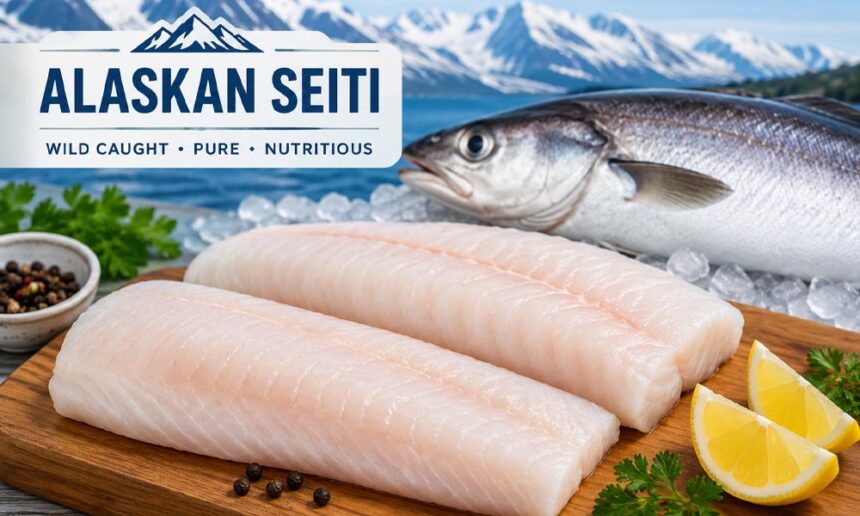
If you have been paying attention to healthy food trends in 2026, you have probably noticed one name appearing more and more often: Alaskan Seiti. It shows up in grocery stores, food blogs, cooking videos, and even restaurant menus. Many people are asking the same question: What is Alaskan Seiti, and why is everyone talking about it?
The answer is simple. Alaskan Seiti is a healthy white fish that is easy to cook, tastes mild, and fits into almost any meal. It is packed with protein, low in fat, and comes from the clean waters near Alaska. Whether you are trying to eat healthier, save money, or simply enjoy more seafood, this fish is becoming a smart choice.
You may have already eaten Alaskan Seiti without even knowing it. It is commonly used in fish sticks, fish sandwiches, frozen seafood meals, and even imitation crab meat. That means millions of people enjoy this fish every year, even if they have never heard its name before.
In this guide, we will explore everything you need to know about Alaskan Seiti. We will explain where it comes from, why it is becoming so popular, what nutrients it offers, how it compares with other fish, and why many experts call it one of the best seafood choices available today.
What Is Alaskan Seiti?
Alaskan Seiti is a white fish that comes from the cod family. Its scientific name is Gadus chalcogrammus, although most people know it as Alaska pollock. The name “Alaskan Seiti” is often used on food products to highlight that the fish comes from the cold, clean waters around Alaska.
One reason this fish has become so popular is its mild flavor. Unlike some seafood that has a strong smell or taste, Alaskan Seiti is light and gentle. Even people who usually do not enjoy fish often like it because it does not taste overly “fishy.”
The texture is another reason people choose it. The meat is soft, tender, and flaky after cooking. It works well with simple seasonings like salt, pepper, lemon, garlic, and fresh herbs. It also absorbs sauces and spices very well, making it useful in many different recipes.
Many everyday foods are made from Alaskan Seiti. Fish sticks, frozen fish fillets, fast-food fish sandwiches, and surimi, which is used to make imitation crab meat, all commonly use this fish. Because of its clean taste and steady quality, food companies around the world trust it.
Where Does Alaskan Seiti Come From?
Alaskan Seiti lives in the cold waters of the North Pacific Ocean. Most of it is caught in the Bering Sea and the Gulf of Alaska. These waters stay cold throughout the year and are rich in natural nutrients, creating an excellent home for healthy fish.
The clean ocean environment plays a big role in the quality of the fish. The water is fresh, clear, and filled with tiny sea plants and animals that provide natural food. This helps Alaskan Seiti grow strong while keeping its mild flavor and firm texture.
Fishing in Alaska follows very strict rules. Every year, scientists carefully study fish numbers before deciding how much fishing is allowed. If fish populations change, catch limits change as well. This careful planning helps protect the species for many years to come.
The goal is not only to protect Alaskan Seiti but also to keep the whole ocean healthy. Fishing methods are designed to reduce harm to other sea animals and protect the underwater environment. This balance helps future generations continue to enjoy seafood from Alaska.
Why Is Alaskan Seiti So Popular?
There are many reasons why Alaskan Seiti has become one of the most talked-about seafood choices in 2026. Today, people want food that is healthy, affordable, and easy to prepare. This fish checks all of those boxes.
Families enjoy it because it cooks quickly and has a flavor that children usually like. Busy parents can prepare dinner in less than 20 minutes, making it a great choice for weeknight meals. It is also much more affordable than many other wild-caught fish.
Fitness lovers also appreciate Alaskan Seiti because it is naturally high in lean protein and low in fat. Protein helps build and repair muscles while keeping you feeling full for longer. That makes it a great option for anyone trying to stay active or manage their weight.
Restaurants also enjoy using Alaskan Seiti because it works with many different styles of cooking. It can be grilled, baked, fried, steamed, or added to soups and tacos. Its gentle flavor blends well with almost any seasoning, making it a favorite among chefs.
Another reason for its growing popularity is sustainability. Many shoppers now think carefully about where their food comes from. Knowing that Alaskan Seiti comes from one of the world’s best-managed fisheries gives people more confidence when buying seafood.
Alaskan Seiti Nutrition Facts
One of the biggest reasons people choose Alaskan Seiti is its excellent nutrition. Even though it is light and mild, it provides many important nutrients that help your body stay healthy.
A typical 3-ounce (85-gram) serving contains around 90 calories, about 20 grams of protein, and less than 1 gram of fat. This means you get plenty of nutrition without eating a lot of calories. That is one reason why many people include it in healthy meal plans.
Alaskan Seiti also contains healthy omega-3 fatty acids. These healthy fats support your heart, brain, and overall health. While it does not contain as much omega-3 as salmon, it still provides much more than many other white fish.
This fish is also rich in important vitamins and minerals. It provides Vitamin B12, which supports healthy nerves and helps your body make red blood cells. It also contains Vitamin D, selenium, phosphorus, and iodine, which support strong bones, the immune system, and a healthy thyroid.
Simple Nutrition Table (Approximate Per 3 oz / 85 g Serving)
| Nutrient | Amount |
|---|---|
| Calories | About 90 |
| Protein | About 20 g |
| Fat | Less than 1 g |
| Omega-3 | About 500 mg |
| Vitamin B12 | Very High |
| Vitamin D | Good Source |
| Selenium | Good Source |
| Iodine | Good Source |
| Phosphorus | Good Source |
When you look at the full nutrition profile, it is easy to see why Alaskan Seiti is often recommended as part of a balanced diet. It offers plenty of protein and useful nutrients while staying low in calories and fat.
Health Benefits of Alaskan Seiti
Eating Alaskan Seiti regularly can support your health in many ways. Because it is full of lean protein, it helps build muscles, repair body tissues, and keep you feeling full after meals. This is helpful for active people, growing children, and anyone trying to eat healthier.
The omega-3 fatty acids found in Alaskan Seiti also support heart health. They may help reduce inflammation and support healthy blood flow. At the same time, these healthy fats also play an important role in brain health and memory.
The vitamins and minerals in this fish also bring many benefits. Vitamin B12 supports your nervous system and helps make healthy blood cells. Selenium helps protect your body’s cells, while iodine supports your thyroid, which controls how your body uses energy every day.
Another benefit is that Alaskan Seiti is naturally low in calories and fat. If you are trying to lose weight or simply eat lighter meals, it can help you stay satisfied without adding too many calories. Many people also find it easier to digest than heavier meats.
Because it has a soft texture and mild flavor, Alaskan Seiti is enjoyed by people of all ages. Children often like its gentle taste, older adults appreciate how easy it is to chew, and many families enjoy serving it as a healthy dinner several times a month.
Alaskan Seiti vs Other White Fish
Many people wonder how Alaskan Seiti compares with other popular white fish like cod, haddock, and tilapia. While each fish has its own strengths, Alaskan Seiti offers an excellent mix of taste, nutrition, and value.
Compared with cod, Alaskan Seiti has a softer texture and finer flakes. Cod is a little firmer, but both fish have a mild flavor. One big advantage of Alaskan Seiti is that it usually costs less, making it a great choice for families who want healthy meals without spending too much.
Tilapia is another popular white fish, but there is one important difference. Much of the world’s tilapia is farmed, while Alaskan Seiti is wild-caught from the clean waters around Alaska. It also contains more heart-friendly omega-3 fats than tilapia, giving it another health advantage.
Haddock is also a good white fish, but Alaskan Seiti is often easier to find in frozen seafood products and ready-to-cook meals. Its mild flavor also makes it a favorite for fish sticks, sandwiches, and many family recipes.
| Fish | Protein | Calories | Omega-3 | Typical Price |
|---|---|---|---|---|
| Alaskan Seiti | High | Low | Medium | Affordable |
| Cod | High | Low | Lower | Higher |
| Haddock | High | Low | Lower | Medium |
| Tilapia | High | Medium | Low | Affordable |
Choosing the best fish depends on your needs, but Alaskan Seiti offers an excellent balance of nutrition, taste, affordability, and sustainability. That is one reason it continues to become more popular every year.
Is Alaskan Seiti Sustainable?
One of the biggest reasons people trust Alaskan Seiti is because it comes from one of the best-managed fisheries in the world. Today, more people want to know where their food comes from. They want seafood that is good for both their family and the planet. This fish gives them both.
Fishing for Alaskan Seiti is carefully controlled. Scientists check the fish population every year before deciding how much can be caught. These catch limits help prevent overfishing and make sure there will be plenty of fish in the future.
Many Alaskan Seiti products also carry the blue Marine Stewardship Council (MSC) label. This shows that the fish comes from a fishery that follows responsible fishing practices. When you see this label, you know the seafood meets high sustainability standards.
Fishing boats also use methods that help protect the ocean. Special mid-water nets stay above the seabed, reducing damage to the ocean floor. Fishermen also work to reduce unwanted catches of other sea animals. These steps help keep the entire marine environment healthy.
Because of these efforts, Alaskan Seiti is often recommended as one of the most sustainable seafood choices you can buy today.
How Alaskan Seiti Is Caught and Processed
Alaskan Seiti is caught in the cold waters of the North Pacific using modern fishing boats. These boats use mid-water trawl nets that catch fish swimming in open water instead of dragging along the bottom of the sea.
This fishing method helps protect underwater habitats while still allowing fishermen to catch healthy fish. It is one of the reasons Alaska’s fishing industry is respected around the world.
After the fish is caught, it is processed very quickly. Many fishing boats use frozen-at-sea technology. This means the fish is cleaned, cut, and frozen while still on the boat. Freezing it so quickly helps lock in freshness, flavor, and nutrients.
The fish is then packed and shipped to food companies and grocery stores around the world. Whether you buy frozen fillets, fish sticks, or other seafood products, the goal is to keep the quality as fresh as possible from the ocean to your kitchen.
This fast process also reduces waste. Every part of the catch is used carefully whenever possible, making the system both efficient and responsible.
Best Ways to Cook Alaskan Seiti
One of the best things about Alaskan Seiti is how easy it is to cook. Even if you have never cooked fish before, you can make a delicious meal with very little effort.
Baking is one of the easiest methods. Place the fillets on a baking tray, add olive oil, lemon, garlic, and a few herbs, then bake for about 12 to 15 minutes. The fish stays soft and flaky while keeping its natural flavor.
Pan-frying is another favorite. Lightly season the fish and cook it for just a few minutes on each side. The outside becomes golden while the inside stays tender. This method is perfect for quick weeknight dinners.
You can also grill, steam, or cook Alaskan Seiti in an air fryer. It works well in soups, chowders, tacos, rice bowls, and pasta dishes. Because the flavor is mild, it goes well with almost any seasoning.
To get the best results, avoid overcooking. The fish is ready when it flakes easily with a fork. Cooking it just right keeps it juicy and full of flavor.
Easy Alaskan Seiti Meal Ideas
There are many simple meals you can make with Alaskan Seiti. One of the easiest is baked lemon garlic fish. Add lemon juice, garlic, olive oil, salt, and pepper, then bake until tender. Serve it with rice and vegetables for a healthy dinner.
Fish tacos are another fun idea. Cut cooked Alaskan Seiti into small pieces and place them in warm tortillas. Add cabbage, tomatoes, fresh salsa, and a squeeze of lime for a fresh and colorful meal.
If you enjoy warm comfort food, try adding Alaskan Seiti to a fish soup or creamy chowder. The soft texture works perfectly with potatoes, carrots, onions, and herbs.
You can also use it in sandwiches, salads, pasta, rice bowls, or homemade fish burgers. Many parents even make healthy fish fingers for children because the mild taste is easy for kids to enjoy.
These meal ideas show how flexible Alaskan Seiti really is. Whether you are cooking for yourself or the whole family, there is always a simple recipe to try.
How to Buy and Store Alaskan Seiti
Buying good-quality Alaskan Seiti is easier than many people think. If you are buying frozen fish, look for fillets that are bright white and firm. Avoid packages with large ice crystals because they may have been thawed and frozen again.
Look for labels that say “Frozen at Sea.” This means the fish was frozen soon after it was caught, helping it keep its fresh taste and texture. If you see the blue MSC label, that is another good sign that the fish comes from a responsible source.
If you buy fresh Alaskan Seiti, it should smell clean and mild. It should never have a strong fishy smell. The flesh should look smooth, slightly shiny, and firm.
Store fresh fish in the refrigerator and cook it within one or two days. Frozen fish can stay in the freezer for several months. When you are ready to cook it, thaw it slowly in the refrigerator overnight.
Avoid thawing fish on the kitchen counter. Slow thawing helps keep the texture soft and reduces the chance of bacteria growing.
Who Should Eat Alaskan Seiti?
The great thing about Alaskan Seiti is that it suits many different people. Athletes enjoy its high protein because it helps support muscle growth and recovery after exercise.
People trying to lose weight also like this fish. It is filling, low in calories, and low in fat. It helps create balanced meals without adding too many extra calories.
Families often choose Alaskan Seiti because it is affordable and easy to prepare. Children usually enjoy its soft texture and gentle flavor, making dinner time much easier for parents.
Older adults also benefit because the fish is soft, easy to chew, and simple to digest. Many healthcare experts also consider low-mercury fish like Alaskan Seiti to be a good seafood option during pregnancy when properly cooked. Anyone with personal health concerns should follow their doctor’s advice.
The only people who should avoid Alaskan Seiti are those who have a fish allergy or have been advised by a healthcare professional not to eat seafood.
Conclusion
Alaskan Seiti has become one of the smartest seafood choices in 2026, and it is easy to see why. It is healthy, affordable, easy to cook, and full of important nutrients that support everyday health.
Its mild flavor makes it perfect for beginners, while its soft texture works well in many different recipes. From baked dinners and tacos to soups and salads, this fish easily fits into busy family life.
Another reason people trust Alaskan Seiti is its strong focus on sustainability. Careful fishing rules, yearly scientific checks, and responsible fishing methods help protect the fish and the ocean for future generations.
If you want a seafood option that is good for your body, your budget, and the environment, Alaskan Seiti is an excellent choice. The next time you visit the grocery store, look for high-quality products with trusted labels and enjoy this healthy white fish in your own kitchen.
(FAQs)
What is Alaskan Seiti, and is it the same as Alaska pollock?
Yes, Alaskan Seiti is another name for Alaska pollock (Gadus chalcogrammus). It is a white fish from the cod family that lives in the cold waters of the North Pacific Ocean. It is known for its mild flavor, soft flaky texture, and high nutritional value. Many popular seafood products, such as fish sticks, fish sandwiches, and imitation crab meat, are made from this fish.
Why is Alaskan Seiti considered a healthy fish?
Alaskan Seiti is rich in lean protein while being low in calories and fat. It also provides important nutrients like omega-3 fatty acids, Vitamin B12, Vitamin D, selenium, iodine, and phosphorus. These nutrients support heart health, brain function, strong bones, healthy muscles, and a well-functioning immune system, making it a great choice for a balanced diet.
Does Alaskan Seiti taste very fishy?
No. One of the biggest reasons people enjoy Alaskan Seiti is its mild and gentle flavor. It has a clean taste without the strong smell that some seafood has. Because of its light flavor, it works well with many herbs, spices, sauces, and cooking styles. Even people who normally do not enjoy fish often like Alaskan Seiti.
Is Alaskan Seiti good for weight loss?
Yes, Alaskan Seiti is an excellent food for people who want to manage their weight. It is low in calories and fat but high in protein, which helps you stay full for longer. This can reduce unnecessary snacking and make it easier to maintain a healthy eating plan while still enjoying satisfying meals.
Is Alaskan Seiti safe for children and older adults?
Yes. Because Alaskan Seiti has a soft texture and mild flavor, it is suitable for children and older adults. It is also easy to digest and provides important nutrients that support healthy growth, strong bones, and muscle maintenance. Always make sure the fish is fully cooked before serving.
How can I tell if I am buying high-quality Alaskan Seiti?
Look for fillets that are bright white, firm, and free from large ice crystals. If you are buying frozen fish, packages marked “Frozen at Sea” usually offer excellent freshness. It is also a good idea to choose products with the Marine Stewardship Council (MSC) certification, which shows the fish comes from a responsibly managed fishery.
What are the easiest ways to cook Alaskan Seiti?
Alaskan Seiti is very easy to cook. You can bake it with lemon and herbs, pan-fry it until golden, grill it, steam it, or cook it in an air fryer. It is also delicious in fish tacos, soups, chowders, rice bowls, salads, and sandwiches. Because it cooks quickly, it is perfect for busy weeknight meals.
Why is Alaskan Seiti considered a sustainable seafood choice?
Alaskan Seiti comes from one of the world’s best-managed fisheries. Scientists carefully monitor fish populations each year, and strict catch limits help prevent overfishing. Many products are MSC-certified, meaning they follow responsible fishing practices that protect both the fish population and the marine environment for future generations.
Can I cook Alaskan Seiti directly from frozen?
Yes. Many frozen Alaskan Seiti fillets can be cooked without thawing first. You can bake, steam, or air fry them straight from the freezer by adding a few extra minutes to the cooking time. However, if you want the best texture for pan-frying or grilling, thawing the fish overnight in the refrigerator is recommended.
How should I store Alaskan Seiti after buying it?
Fresh Alaskan Seiti should be kept in the refrigerator and cooked within one or two days. Frozen fillets can be stored in the freezer for several months. When you are ready to use them, thaw the fish slowly in the refrigerator instead of leaving it at room temperature. Cooked leftovers should be stored in a sealed container in the refrigerator and eaten within two to three days.
You might also like: Delta Connection DL3543 Emergency Landing: What Really Happened?