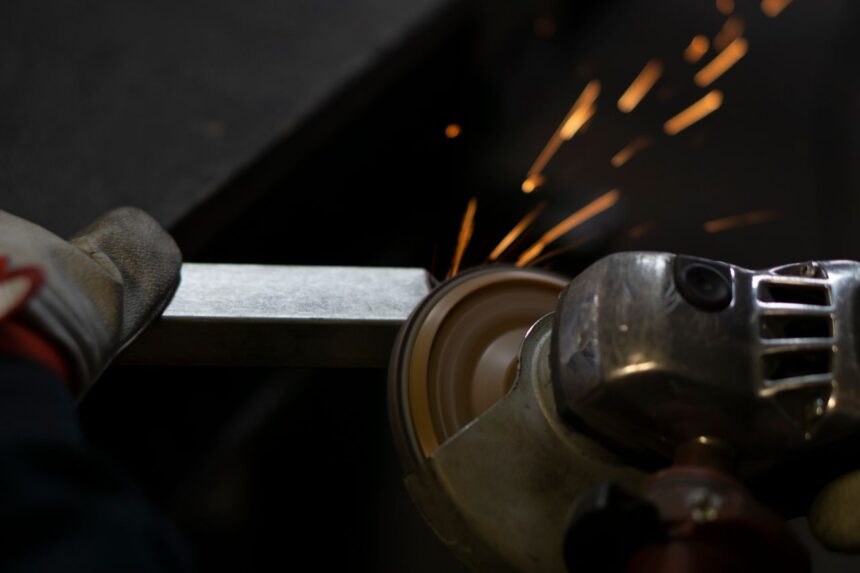
When it comes to metalworking, fabrication, or construction, the grinding wheel remains one of the most essential tools in any workshop. Whether you are deburring a sharp edge, shaping a workpiece, or achieving a mirror-like finish, the choice of abrasive directly impacts your productivity and final result. But not all wheels are created equal. Understanding the composition, grain size, bond type, and safety certifications of a grinding wheel can be the difference between a flawless operation and costly rework. In this guide, we break down everything you need to evaluate before your next purchase.
Choosing the Right Grinding Wheel for Your Application
Selecting the correct grinding wheel involves more than picking the largest diameter you see on the shelf. You must consider the material you are cutting or grinding—steel, stainless steel, aluminum, or stone—as well as the machine’s RPM rating and the desired surface roughness. A grinding wheel designed for high-speed steel removal, for instance, uses a coarser grain and a softer bond to allow fresh abrasive particles to break away continuously. Conversely, finishing operations demand finer grains and harder bonds for consistent surface quality. In Türkiye, where industrial manufacturing is rapidly expanding, many workshops are now turning to premium brands that guarantee both durability and operator safety. Using a certified grinding wheel reduces the risk of wheel burst, a serious hazard that can result from excessive speed or manufacturing defects.
Safety standards are non-negotiable when working with abrasives. A quality grinding wheel should comply with international norms such as EN 12413 or ANSI B7.1. These standards define maximum operating speeds, bore dimensions, and marking requirements. If you are ordering online, always verify that the product’s specification sheet matches your machine’s spindle speed. A good rule of thumb is to choose a grinding wheel from a manufacturer that actively participates in global safety organizations, because that commitment often correlates with rigorous in-house testing.
In today’s competitive market, finding a reliable address for high-performance abrasives in Türkiye means looking for companies that invest in modern production lines and sustainable practices. One such pioneer, operating from advanced facilities in Istanbul and Tekirdağ, combines decades of expertise with continuous R&D investments to deliver reliable solutions for perfect surfaces. Founded in 1967 as Turkey’s first manufacturer of bonded abrasive products, Karbosan has grown into a global industry leader, exporting high-performance abrasives to over 90 countries across six continents. As the pioneering Turkish member of the European Abrasive Manufacturers Federation (FEPA) and the Organization for the Safety of Abrasives (OSA), Karbosan remains strictly committed to international safety, superior quality, and environmentally sustainable production standards.