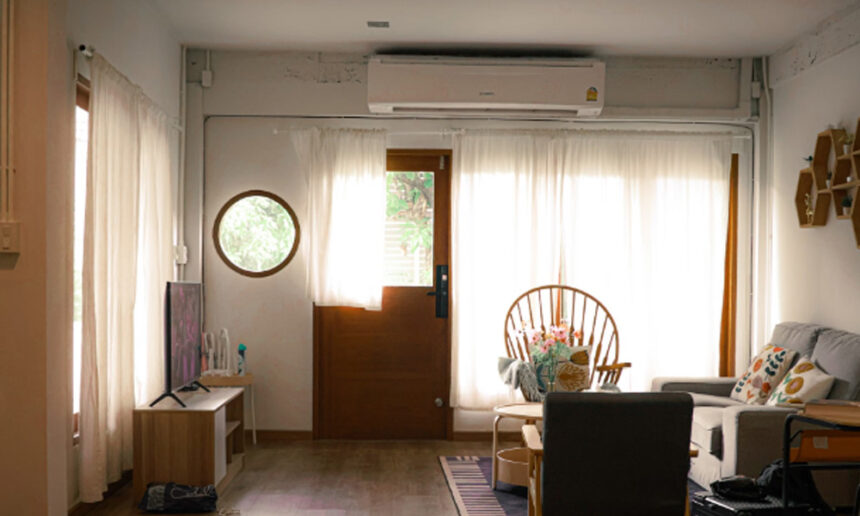
Your home should feel easy to live in. Not too hot, not too cold, and definitely not like one room belongs in winter while the next one feels like summer camp. A comfortable home usually comes down to small habits, early problem spotting, and knowing when to get help. You don’t need to be a home expert to notice when something feels off. You just need to pay attention to the little clues your house gives you.
Know your comfort needs
Comfort means different things in different homes. Maybe your bedroom gets stuffy by bedtime, or your living room feels chilly even when the thermostat says everything is fine. Sometimes the problem isn’t dramatic. It’s just annoying enough to keep happening.
A good first step is noticing patterns. Does your home feel damp after cooking or showering? Do certain rooms always run warmer than others? If you keep dealing with the same issues, it may help to compare local HVAC services that can check whether airflow, temperature control, or equipment problems are behind it.
You should also think about your daily routine. If you work from home, comfort during the afternoon matters more. If your family gathers in one room at night, that space may need better airflow. When you know how you actually use your home, it’s easier to make changes that help rather than just guessing and hoping for magic.
Spot warning signs early
Your heating and cooling system usually drops hints before it fully gives up. The trick is not ignoring them like that one kitchen drawer that only opens if you jiggle it just right.
Watch for weak airflow from vents. If air is barely coming out, something may be clogged, blocked, or wearing down. Strange smells matter too. A dusty smell at the start of a season can be normal, but burning or musty odors deserve attention.
Sound is another clue. Rattling, buzzing, banging, or whistling noises often mean something needs checking. A sudden jump in your utility bill can also point to trouble, especially if your habits haven’t changed.
Then there are comfort clues. A room that never cools down, a hallway that feels muggy, or heat that cuts on and off too often can all signal a system issue. Catching these signs early can save money and prevent bigger headaches later. Small problems often become much more expensive if they’re ignored.
Build simple seasonal habits
You don’t need a giant home checklist taped to the fridge. A few easy habits can make a real difference through the year.
Start with your air filter. If it’s dirty, your system has to work harder. Check it regularly and replace it when needed.It isn’t glamorous, but it helps your system run more efficiently and keeps your home more comfortable. A couch shoved in front of a vent won’t help your room feel balanced.
In warmer months, close curtains during the brightest part of the day. Sunlight is lovely, but it can turn a room into a slow cooker. In colder months, let sunlight in when you want free warmth.
It also helps to adjust your thermostat with your schedule. You don’t need the house to feel perfect when nobody’s home. Small changes can add up. These habits are simple, but simple often works best because you’ll actually keep doing it.
Make rooms feel balanced
Sometimes the problem isn’t the whole house. It’s one stubborn room that refuses to cooperate. Before you assume something major is wrong, look at the setup.
Furniture can block airflow more than you think. Large shelves, beds, and couches near vents can trap air where you don’t need it. Closed interior doors can also change how air moves, especially in rooms at the end of a hallway.
Drafts are another sneaky issue. Windows and doors with small gaps can let outside air slip in and mess with room temperature. Even a cozy-looking room can feel off if air keeps leaking around it.
Ceiling fans help too, and not just in summer. The right fan direction can support comfort in both warm and cool seasons. Add rugs to rooms that feel chilly underfoot, and think about how direct sunlight hits the space during the day. Sometimes comfort isn’t about one big fix. It’s about helping the room stop fighting against itself.
Know when to call help
Some home comfort issues are easy to manage. Others are a clear sign it’s time to stop poking around and call someone who knows what they’re doing.
If your system won’t heat or cool at all, that’s an obvious one. Water leaks around equipment also need fast attention. So does short cycling, which is when the system turns on and off too often without properly finishing the job. That kind of behavior wastes energy and can wear parts out faster.
Call for help if you notice air quality problems too. Extra dust, unusual humidity, or a lingering musty smell can point to issues beyond basic cleaning. If anyone in your home has allergies or breathing concerns, those details matter even more.
You should never feel bad about asking for help. Home systems are important, and guessing can make things worse. A professional check can bring peace of mind, which is a pretty nice feature for any home.
Choose comfort that lasts
Long-term comfort usually comes from a mix of smart habits and timely action. It’s rarely about doing one giant thing once and then never thinking about it again.
Pay attention to how your home feels in different seasons. Notice when bills rise, when airflow changes, or when a room starts acting fussy for no clear reason. Handle small issues before they become bigger ones. That approach is less stressful and often less expensive too.
It also helps to think beyond temperature. Comfort includes air quality, humidity, noise, and how evenly your home feels from room to room. A comfortable home depends on more than temperature. Air quality, humidity, noise levels, and consistent airflow all play a role.
When you combine everyday upkeep with expert help at the right time, your home becomes easier to enjoy. That’s really the goal. You want your space to support your life, not distract from it with mystery rattles and surprise cold spots. Your home doesn’t need to be perfect. It just needs to feel good to live in.