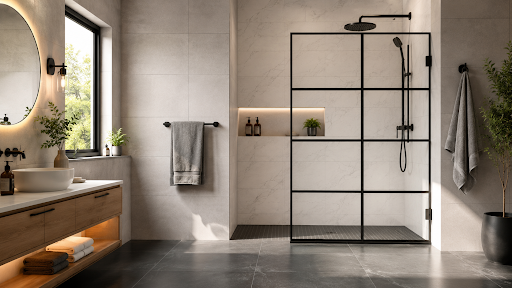
Bathrooms have evolved from purely functional spaces into carefully designed retreats that reflect personal style. Among the most recognizable trends in recent years is the growing popularity of black grid shower doors and panels. Their distinctive framed appearance combines industrial inspiration with modern sophistication, making them a favorite choice in homes ranging from urban lofts to suburban renovations.
Unlike traditional clear-framed enclosures, black grid designs create visual definition without overwhelming the room. The clean lines, contrasting finishes, and architectural feel work well alongside a variety of interior styles, including contemporary, farmhouse, Scandinavian, transitional, and industrial-inspired bathrooms.
Whether homeowners are planning a complete remodel or simply exploring design possibilities, understanding the features, materials, installation considerations, and maintenance requirements of these shower enclosures helps create a bathroom that remains both functional and visually appealing for years.
Why Black-Framed Shower Designs Continue to Gain Popularity
Interior designers consistently identify black hardware as one of the most versatile finishes in residential design. The popularity extends well beyond faucets and cabinet pulls into larger architectural elements like shower enclosures.
The grid pattern adds depth and character by breaking large expanses of glass into balanced sections. Instead of disappearing into the background, the enclosure becomes an intentional design feature that frames the shower area much like a window.
Many American homeowners appreciate that black finishes pair equally well with:
- White subway tile
- Marble-look porcelain
- Concrete-inspired surfaces
- Wood vanities
- Matte black plumbing fixtures
- Brass accents
- Brushed nickel hardware
This flexibility makes future bathroom updates easier since surrounding décor can change without requiring replacement of the enclosure.
Understanding the Grid Pattern
One of the biggest misconceptions is that every divided shower door uses separate pieces of glass. In reality, manufacturers typically create the grid appearance using decorative metal muntins or applied surface bars attached to a single tempered glass panel. This approach offers several advantages:
- Easier cleaning
- Better structural integrity
- Lower maintenance
- Improved water resistance
- Cleaner visual appearance
Some premium custom systems feature internal or exterior grid applications that create authentic industrial styling while maintaining smooth glass surfaces. The number and spacing of horizontal and vertical bars can vary considerably depending on the desired aesthetic. Narrow grids create a minimalist appearance, while larger divisions produce a more dramatic warehouse-inspired look.
Common Glass Options
Although the framing attracts most of the attention, glass selection significantly influences both appearance and performance.
Clear Tempered Glass
Clear glass remains the most popular option because it maximizes natural light and makes bathrooms appear larger. It allows tile work and decorative finishes inside the shower to remain fully visible.
Low-Iron Glass
Low-iron glass minimizes the slight green tint found in standard clear glass. This premium option provides exceptional clarity, especially in luxury bathroom renovations where color accuracy matters.
Frosted Glass
Some homeowners prefer partial privacy while still maintaining the industrial design aesthetic. Frosted or acid-etched glass diffuses light while obscuring visibility.
Textured Glass
Patterns such as rain, reed, or fluted glass introduce texture that complements both traditional and modern bathrooms. Regardless of style, quality shower enclosures should use tempered safety glass that meets recognized building safety standards.
Frame Styles That Complement Modern Homes
Not every black-framed enclosure looks the same. Several construction styles accommodate different bathroom layouts.
Sliding Shower Doors
Sliding systems work especially well where bathroom space is limited because the doors glide rather than swing outward.
Many contemporary installations feature slim top rails with exposed rollers that reinforce the industrial aesthetic.
Hinged Swing Doors
Hinged doors offer wider openings and create a luxurious spa-like experience. They are commonly used in larger bathrooms with spacious walk-in showers.
Fixed Shower Panels
Minimalist bathrooms increasingly feature stationary glass panels without doors. These open-entry showers reduce visual clutter while maintaining effective splash protection when properly designed.
Corner Enclosures
Corner installations maximize available floor space while maintaining comfortable shower dimensions.
Each style can incorporate matching grid patterns to maintain design consistency throughout the enclosure.
Choosing the Right Frame Finish
While matte black remains the dominant choice, manufacturers now offer several variations. Popular finishes include:
- Matte black
- Textured black
- Satin black
- Powder-coated black
- Soft black
Powder-coated finishes generally provide greater resistance against scratches, moisture, and everyday wear compared to painted surfaces. The quality of the coating plays an important role in maintaining appearance over time, especially in humid bathroom environments.
Bathroom Styles That Pair Beautifully with Black Grids
One reason these enclosures remain popular is their adaptability across multiple interior design styles.
Modern Farmhouse
Black framing contrasts beautifully with white tile, natural wood vanities, and vintage-inspired lighting.
Industrial
Concrete textures, exposed brick, metal shelving, and black hardware naturally complement grid-style shower enclosures.
Scandinavian
Simple lines and restrained color palettes benefit from the clean architectural structure created by black frames.
Contemporary
Minimal décor, floating vanities, and oversized porcelain tiles enhance the sleek appearance of dark-framed glass.
Traditional
Traditional cabinetry mixed with modern fixtures creates a balanced space where black-framed glass becomes a connecting design element.
Tile Choices That Enhance the Look
The surrounding tile often determines whether the enclosure feels timeless or overly trendy. Large-format porcelain tiles create uninterrupted surfaces that emphasize the clean geometry of the grid. Subway tile remains one of the most recognizable combinations because the rectangular pattern complements the enclosure’s linear design.
Natural stone, marble-look porcelain, terrazzo, and textured ceramic all pair effectively with black hardware while offering distinct visual personalities. Color palettes commonly include:
- Bright white
- Soft gray
- Warm beige
- Charcoal
- Earth tones
- Sage green
- Deep navy
Lighting Makes a Significant Difference
Lighting often receives less attention than tile or fixtures, yet it dramatically influences how framed glass appears. Natural daylight emphasizes transparency while highlighting the black grid pattern.
Layered artificial lighting including recessed ceiling fixtures, vanity lights, and LED accent lighting, creates visual depth throughout the bathroom.
Warm white lighting generally produces a welcoming atmosphere, while neutral white lighting showcases the crisp contrast between black framing and surrounding finishes.
Proper lighting also minimizes unwanted reflections on glass surfaces.
Maintenance Is Simpler Than Many Expect
Many homeowners assume dark framing requires extensive upkeep, but routine maintenance remains straightforward. Regular cleaning prevents soap residue from accumulating on both glass and metal components. Microfiber cloths, non-abrasive cleaners, and squeegees help preserve clarity without damaging protective finishes. Avoid harsh chemicals containing strong acids or abrasive particles that could affect powder-coated surfaces. Water quality also influences maintenance frequency. Homes with hard water benefit from occasional mineral deposit removal using manufacturer-approved cleaning products. Protective glass coatings available on many premium shower enclosures further reduce spotting and simplify routine cleaning.
Installation Considerations
Professional measurement plays an important role in achieving proper alignment. Bathroom walls are rarely perfectly square, making precise measurements essential for custom-fit enclosures. Installers evaluate several factors before fabrication:
Wall Conditions
Tile thickness, waterproofing systems, and structural support all influence installation methods.
Floor Slope
Proper drainage ensures water remains inside the shower area.
Hardware Placement
Door hinges, handles, and support bars require secure anchoring into appropriate structural materials.
Building Codes
Tempered safety glass and installation practices should comply with local residential building requirements.
Accurate planning reduces future adjustment needs and improves long-term performance.
How They Compare with Frameless Alternatives
Both framed grid designs and frameless shower enclosures remain popular, yet each offers distinct advantages. Frameless systems prioritize minimalism by allowing the glass itself to become the focal point. Grid-framed designs intentionally introduce architectural detail and stronger visual definition. From a design perspective:
- Frameless glass creates openness.
- Black grids create character.
- Frameless styles blend into the room.
- Grid patterns establish a bold focal point.
Sustainability and Long-Term Value
Many homeowners increasingly consider environmental impact when selecting remodeling materials.
- Tempered glass offers impressive durability, often lasting decades with routine maintenance.
- Aluminum framing is widely recyclable, while powder-coated finishes generally require fewer replacements than lower-quality painted surfaces.
- Long-lasting materials reduce waste associated with frequent remodeling, making durable shower enclosures a practical investment over time.
Bathrooms designed with timeless architectural elements also tend to remain visually relevant longer than those built around short-lived decorating trends.
Design Trends to Watch
While industrial inspiration continues influencing bathroom design, newer interpretations have softened the aesthetic. Current trends include:
- Slimmer frame profiles
- Larger uninterrupted glass areas
- Minimal hardware
- Mixed metal accents
- Floor-to-ceiling glass
- Curbless shower entries
- Integrated niches with contrasting tile
- Matte finishes throughout the bathroom
These refinements preserve the recognizable grid appearance while creating brighter, more open spaces. Interestingly, many designers now combine traditional black framing with warmer natural materials such as oak, walnut, limestone, and textured porcelain to create bathrooms that feel inviting rather than overly industrial.
Final Thoughts
The enduring appeal of black grid shower doors and panels comes from their ability to combine timeless architectural character with everyday practicality. Their clean geometry complements a wide range of bathroom styles while allowing homeowners to express a distinctive design aesthetic without sacrificing functionality.
When thoughtfully paired with quality tempered glass, durable finishes, complementary tile, and proper lighting, these enclosures become more than a shower boundary—they become one of the defining architectural features of the room. As bathroom design continues evolving toward personalized, long-lasting spaces, industrial-inspired framed glass remains a compelling choice that balances visual impact with lasting performance.