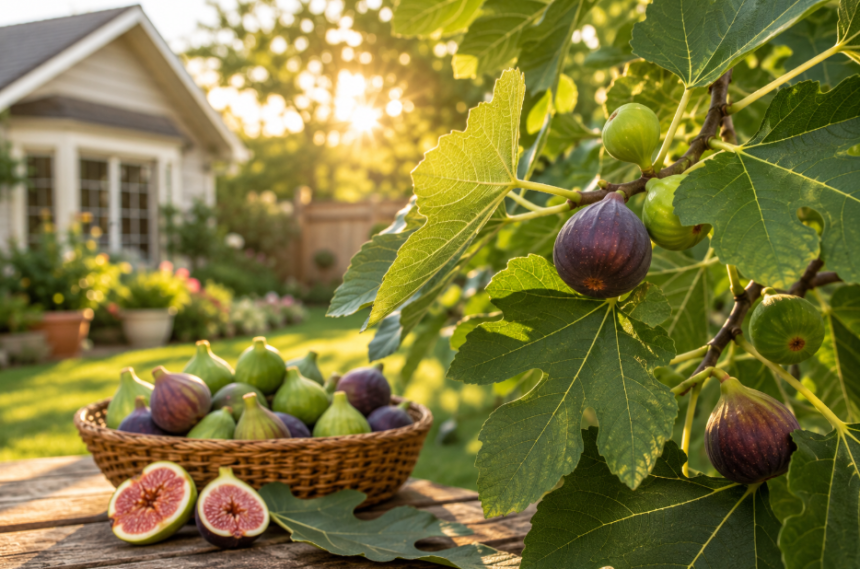
Fig trees have become increasingly popular among homeowners because they combine attractive foliage with the reward of fresh, homegrown fruit. Once established, they are relatively low-maintenance and can provide abundant harvests for decades with proper care.
Whether you’re planting your first fig tree or looking to improve the health of an existing one, following a few basic care practices can help encourage vigorous growth and consistent fruit production.
Choose the Right Planting Location
The location you choose has a significant impact on your fig tree’s long-term success. Fig trees thrive in areas that receive at least six to eight hours of direct sunlight each day. Good air circulation also helps reduce moisture-related problems and promotes healthy growth.
Well-drained soil is essential because standing water around the roots can lead to root rot and other diseases. If your soil tends to remain wet after rainfall, improving drainage before planting is highly recommended.
Fig trees are an excellent choice for many home landscapes, but they are only one of several fruit trees that perform well in North Texas.
If you’re considering expanding your home orchard or want to compare other options, read this guide to the best fruit trees for North Texas to discover additional varieties that thrive in the region’s climate.
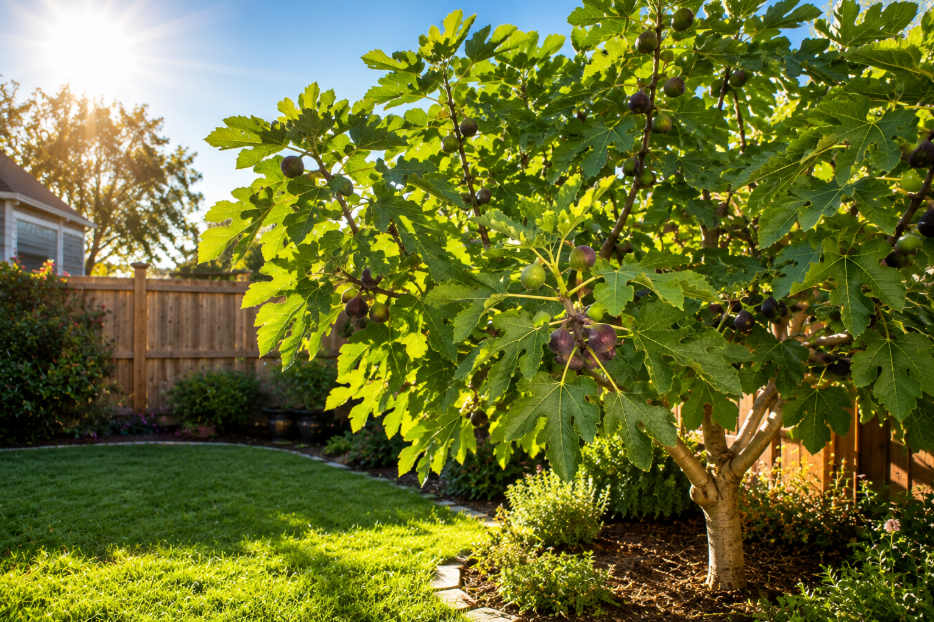
Water Consistently While Trees Become Established
Newly planted fig trees require regular watering during their first growing season while their root systems develop. Once established, fig trees become fairly drought tolerant, although they still benefit from supplemental watering during extended dry periods.
Deep watering encourages roots to grow farther into the soil, helping trees better withstand hot summer weather.
Apply Mulch Around the Base
A layer of organic mulch helps conserve soil moisture, regulate soil temperature, and suppress weeds. Apply two to four inches of mulch around the base of the tree, keeping it several inches away from the trunk to reduce the risk of rot and pest problems.
As the mulch gradually decomposes, it also improves soil structure and adds organic matter.
Fertilize Only When Necessary
Unlike some fruit trees, figs generally do not require heavy fertilization. Excessive nitrogen can encourage vigorous leaf growth at the expense of fruit production.
If your tree appears healthy and produces a good crop each year, additional fertilizer may not be necessary. When fertilization is recommended, a balanced, slow-release fertilizer applied in early spring is often sufficient.
Prune to Maintain Structure
Pruning helps improve airflow, remove damaged branches, and maintain an attractive shape. Late winter, while the tree is dormant, is generally considered the best time for most pruning.
Focus on removing dead, diseased, or crossing branches while maintaining an open canopy that allows sunlight to reach the interior of the tree.
Watch for Common Problems
Although fig trees are relatively resilient, they are not completely maintenance-free. Overwatering can contribute to root diseases, while poor drainage may stress the tree and reduce fruit production. Birds frequently enjoy ripe figs as much as homeowners do, so protective netting may be helpful as fruit begins to mature.
Occasional insect pests and fungal diseases can also occur, but many problems can be minimized through proper watering, pruning, and good overall tree care.
Harvest at the Right Time
Unlike some fruits, figs do not continue ripening after they are picked. Allow the fruit to fully mature on the tree before harvesting. Ripe figs typically soften, develop their full color, and bend slightly downward on the stem.
Because ripe figs have a relatively short shelf life, they’re often best enjoyed fresh or preserved soon after harvest.
Seasonal Care Checklist
- Plant in full sun with well-drained soil.
- Water regularly during the first growing season.
- Apply organic mulch around the root zone.
- Prune during dormancy to maintain healthy structure.
- Monitor for pests, diseases, and drainage issues.
- Harvest figs only after they are fully ripe.
Fig Tree Care at a Glance
| Care Task | Recommendation |
| Sunlight | 6–8 hours of direct sun daily |
| Soil | Well-drained, moderately fertile soil |
| Water | Deep watering during establishment; supplemental watering during drought |
| Mulch | 2–4 inches, kept away from the trunk |
| Fertilizer | Apply only if needed; avoid excess nitrogen |
| Pruning | Late winter while dormant |
| Harvest | Pick only when fruit is fully ripe |
Final Thoughts
Fig trees reward homeowners with attractive foliage, dependable harvests, and relatively simple care requirements. By planting them in a sunny location, watering appropriately, pruning when needed, and maintaining healthy soil conditions, you can enjoy fresh figs for many years. Whether you’re adding your first fruit tree or expanding your landscape, proper care is the key to long-term success.
Frequently Asked Questions
How much sun does a fig tree need?
Fig trees grow best when they receive at least six to eight hours of direct sunlight each day.
How often should I water a fig tree?
New trees should be watered regularly during establishment. Mature trees typically need supplemental watering only during prolonged dry periods.
Do fig trees need fertilizer?
Many healthy fig trees require little additional fertilizer. Excess nitrogen can reduce fruit production by encouraging excessive leafy growth.
When should I prune a fig tree?
Late winter or early spring before new growth begins is generally the best time to prune.
How long does it take for a fig tree to produce fruit?
Many fig trees begin producing fruit within two to five years, depending on the variety and growing conditions.
Are fig trees easy to grow?
Yes. Once established, fig trees are considered one of the easier fruit trees to maintain, provided they receive plenty of sunlight and well-drained soil.