Your roof usually stays out of sight and out of mind until it starts acting expensive. One missing shingle can look minor, then a week of rain turns it into stained drywall and a bucket in the hallway. If you live in a place like Lacey, Washington, where moisture hangs around and storms don’t always knock politely, spotting trouble early can save you money, stress, and a lot of indoor dripping.
Start With the Age of Your Roof
A roof has a rough life expectancy, and age often gives you the first solid clue. Asphalt shingles usually last about 20 to 30 years, depending on installation quality, ventilation, weather exposure, and material grade. Metal, tile, and composite systems can go longer, but no roof stays young forever.
If your roof is nearing the end of its expected lifespan, repairs may start feeling like patching old jeans with designer thread. You can keep doing it, but the results get less convincing. If you’re unsure what condition your system is really in, talking with a Lacey roofing company can help you figure out whether you’re dealing with a fixable issue or a roof that’s quietly preparing its retirement speech.
Check for Visible Shingle Damage
You don’t need to be a roofing contractor to spot obvious wear. Stand back from your house and look for shingles that are curling, cracked, buckling, or completely missing. Those issues can expose the layers underneath and invite water in faster than you’d expect.
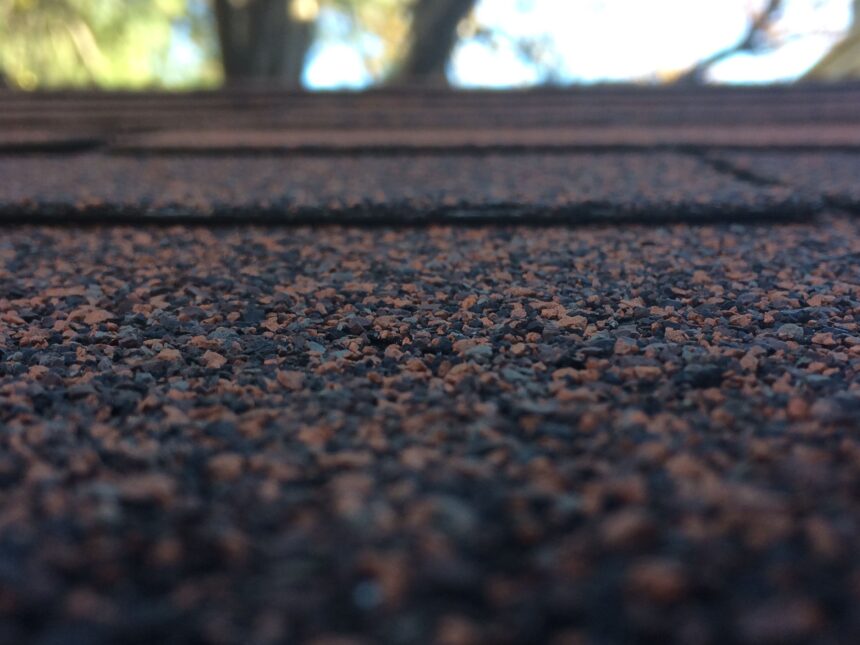
Granule loss matters too. If you see lots of gritty debris in your gutters, your shingles may be wearing down. Granules protect against UV damage, so losing them means your roof is becoming more vulnerable. A few damaged shingles after a storm may call for a targeted repair. Widespread wear across large sections usually points toward replacement. The scale of the damage matters as much as the damage itself.
Look Inside for Water Clues
Your ceiling often knows your roof is in trouble before you do. Water stains, peeling paint, damp insulation, and mysterious musty smells can all signal a leak. Sometimes the source is obvious. Sometimes the water travels along beams and shows up several feet from the actual entry point, which is a fun little trick roofs like to play.
Check your attic after heavy rain if you can do it safely. Look for wet wood, mold growth, dark streaks, or sunlight peeking through boards. One isolated leak caused by flashing damage might be repairable. Repeated leaks in different areas suggest a broader system failure. At that stage, you’re not just fixing a hole. You’re dealing with a roof that may be losing its ability to protect your home consistently.
Pay Attention to Sagging and Structural Red Flags
A sagging roofline is not a cosmetic quirk. It usually points to trapped moisture, rotting decking, structural weakness, or long-term water damage. If part of your roof looks like it’s dipping or drooping, treat that as a serious issue.
You may also notice soft spots when a professional walks the roof, or warping in the underlying structure. Those are replacement-level problems more often than repair-level ones. A repair can address surface damage, but it won’t solve compromised support beneath the roofing materials. Structural issues tend to spread quietly, and they rarely get cheaper with time. If your roofline looks uneven, skip the wishful thinking and get a professional inspection scheduled promptly.
Consider the Local Weather and Moisture Load
Roofs don’t age in a vacuum. Climate puts real pressure on every material and every seam. In Lacey and the broader Pacific Northwest, regular rain, moss growth, wind exposure, and damp conditions can wear roofs down in ways that homeowners don’t always notice right away.
Moss may look harmless from the street, but it can lift shingles, trap moisture, and speed up deterioration. Repeated freeze-thaw cycles and wind-driven rain can also exploit small weaknesses. If your roof has been through several storm seasons and already had multiple repairs, replacement may give you better long-term value than continuing to chase leaks. A roof in a wet climate needs to be more than intact. It needs to stay reliably watertight under steady environmental pressure.
Review Your Repair History Honestly
A single repair every few years is one thing. Frequent service calls are another. If you’ve repaired flashing, replaced shingles, patched leaks, and cleaned up recurring water issues, your roof may be telling you it’s done negotiating.
Look at the pattern, not just the latest invoice. Repeated problems in different sections often mean the whole system is aging unevenly or failing in stages. You might spend less upfront on another repair, but more over a few years once labor and water damage pile up. Homeowners sometimes get stuck in maintenance limbo, spending just enough to avoid replacement while never really solving the problem. That cycle gets old quickly, right alongside the roof.
Compare Costs Beyond the Immediate Price Tag
Repair is usually cheaper today. Replacement is often cheaper over time when the roof is near the end of its life. That’s the real comparison. Don’t just ask what each option costs this month. Ask what it means for the next five to ten years.
A proper estimate should include material condition, underlying decking, ventilation, labor scope, warranty protection, and the risk of hidden damage. If a repair buys you several solid years, it may be the smart move. If it only delays a full replacement by a season or two, the money may be better spent on a new system. The right decision depends on timing, budget, and the actual condition of the roof, not blind optimism and a well-placed tarp.
Know When a Professional Inspection Matters Most
There’s a point where guesswork stops being useful. If your roof is older, leaking, storm-damaged, or showing widespread wear, a professional inspection gives you a clearer path forward. A good roofer won’t just point at a problem and say, “Yep, that’s a roof.” They’ll assess the system, explain what’s failing, and help you understand whether repair or replacement makes practical sense.
Try to get that inspection before an emergency hits. Decision-making gets messier when water is dripping through a light fixture. Ask for photos, a breakdown of the findings, and a plain-language explanation of your options. The best outcome is not the cheapest one on paper. It’s the one that protects your home, fits your timeline, and keeps small roofing problems from graduating into major home repairs.
Final Thoughts on Making the Right Call
Your roof doesn’t need to be perfect, but it does need to be dependable. Small, isolated damage often responds well to repair. Broad wear, structural sagging, recurring leaks, and advanced age usually push the conversation toward replacement.
If you’re evaluating your next step, focus on evidence instead of hope. Check the roof’s age, inspect for visible damage, watch for indoor warning signs, and think about how your local climate affects performance. A roof that still has life left can often be repaired smartly. A roof that keeps failing tends to get more expensive, not more loyal. Knowing the difference helps you protect your home before the next storm decides to test it.