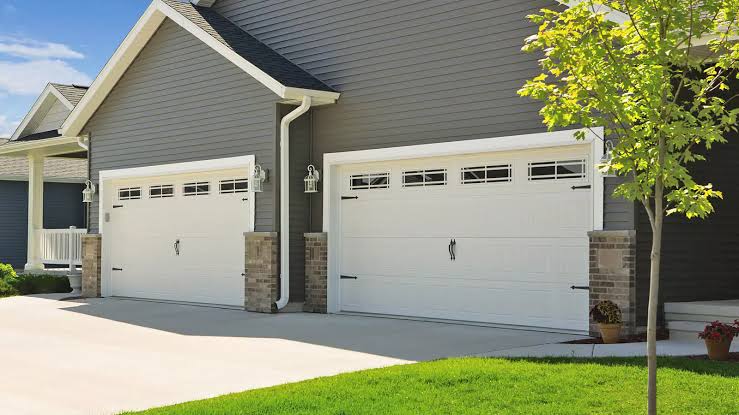
When a garage door stops halfway, won’t open at all, or slams shut harder than usual, it can derail your day and raise real safety concerns. In a place like McKinney where summer heat, spring storms, and everyday wear converge, small garage door issues can quickly turn into bigger repairs if they’re ignored. Before you assume the worst, a careful, safety-first check can reveal whether the problem is a simple fix or a sign to bring in a technician. This guide walks through practical diagnostics you can do from the ground, what to leave to the pros, and a few preventive steps to keep your door operating smoothly throughout the year.
Start With Safety and Basic Resets
Put safety first. If the door is open and stuck, keep people and pets away from the opening. Avoid touching springs, lift cables, or the torsion bar above the door; those components are under extreme tension. Only pull the red emergency-release cord if the door is fully closed and stable; otherwise, the door may drop unexpectedly. If you hear grinding, popping, or snapping sounds, stop troubleshooting and consider calling a professional. Turn off the opener’s power before adjusting any settings on the motor unit.
Now check the easy items. Confirm the opener has power and that a tripped GFCI outlet hasn’t cut electricity to the ceiling unit. Make sure the wall control isn’t in “lock” mode, which turns off remotes. Replace remote and keypad batteries, and try reprogramming the remote if signals seem inconsistent. If the door starts working after a simple reset, observe several open/close cycles to ensure the fix holds. If resetsdon’tt help, consulting a local service resource such as Welborn Garage Door Repair can provide next steps or professional support.
Photo Eyes, Tracks, and Rollers: The Most Fixable Issues
Photo-eye sensors are common culprits. A misaligned or dirty sensor will prevent the door from closing or cause it to reverse. Inspect the small lenses near the bottom of the tracks on both sides. Gently wipe off dust or cobwebs, and ensure both sensors sit at the same height facing each other. Many sensors have indicator lights solid typically means aligned, blinking often signals misalignment. Nudge the brackets slightly until the lights stabilize, then test the door. If the door only closes when you hold the wall button, suspect sensor alignment or wiring.
Tracks and rollers also deserve attention. From the ground, look for visible obstructions like leaves or pebbles in the tracks. Tighten any loose track fasteners you can safely reach. Do not attempt to straighten a severely bent track this is a professional repair. If the door binds, squeals, or rattles, lightly lubricate metal rollers, hinges, and bearings with a silicone-based garage door lubricant; avoid grease that attracts dust. Nylon rollers don’t require much lubricant, but their hinges and stems may benefit from a light application. After lubrication, open and close the door a few times to distribute the product and listen for improvement.
How North Texas Weather Affects Garage Doors
Heat and sun can dry out weatherstripping, warp wood, and break down lubricants more quickly. Inspect the bottom seal and side/top seals for cracking or gaps; worn seals let hot air in and strain your opener. In storm season, debris can end up in tracks and high winds may nudge sensors out of alignment. Thunderstorms can also produce brief power fluctuations using a surge protector on the opener is a simple layer of protection for the motor’s electronics.
Humidity swings can cause wood doors to swell and stick, and metal parts can expand or contract enough to change how the door moves. If the door seems to struggle only during certain weather, recheck sensor alignment, lightly relubricate moving parts, and inspect fasteners for loosening. For homes with attached garages, consider an insulated door to moderate temperature swings in the garage, which can reduce stress on mechanical components over time.
When It’s Time to Call a Technician
Some issues are unsafe for DIY. A broken torsion or extension spring, frayed or off-spool cables, a door that’s visibly crooked in the opening, or tracks pulled out from the wall should be handled by a trained technician. If the opener hums but the door doesn’t budge, or if the door slams shut or won’t stay put when partially open, stop using it until it’s evaluated. Electrical odors, scorched circuit boards, or repeatedly tripped breakers also point to professional diagnostics.
To speed up a service visit, note the door material, approximate size, and the opener brand and model number (often printed on the motor housing). Record symptoms you’ve observed reversing at the same height, only opening a few inches, excessive vibration, or loud bangs. Clear vehicles and storage away from the door and tracks so the technician has room to work safely. Many local providers post their service areas, scheduling windows, and troubleshooting tips online, which can help you decide whether to book a repair or continue at-home checks.
Simple Maintenance That Prevents Breakdowns
A few routine habits can extend the life of your door and opener. Every three months, visually inspect springs, cables, and rollers for rust, fraying, or flat spots; if you see damage, do not touch the parts just schedule service. Test the door’s balance by disconnecting the opener when the door is fully closed, then lifting it by hand to about waist height. A balanced door should stay put or move very slowly; a heavy or drifting door suggests spring issues that require a pro.
Also test the safety reversal: place a 2×4 board flat on the floor under the door and close it using the remote; the door should reverse upon contacting the board. Wave an object through the photo-eye path during closing the door should reverse immediately. Lubricate metal moving parts with a silicone-based product twice a year, wipe the tracks clean, and replace the bottom seal when it hardens or tears. Keep remotes and keypads on a battery-replacement schedule so you’re not caught by surprise.
Repair or Replace? Making a Practical Choice
If you’re facing frequent breakdowns, very loud operation, or an opener lacking modern safety features like photoelectric sensors, discuss replacement with a technician. Newer openers often bring quieter operation and added conveniences such as built-in lighting and smartphone control. For the door itself, consider the age, visible damage, and insulation value. Steel doors are durable and low maintenance, wood offers classic looks but needs care, and composite or insulated steel can balance appearance, durability, and temperature control.
Whether you decide on a targeted repair or plan a future upgrade, the priority is always safety. Start with simple checks you can do from the ground, watch for recurring symptoms, and bring in a professional when tensioned or electrical components are involved. With a seasonal maintenance routine and prompt attention to small changes especially after McKinney’s heat waves or storms you can keep your garage door dependable, quieter, and safer for everyone who uses it.