Completing a thorough menstrual health coach certification can prepare you for work in women’s wellness by connecting clinical hormone science with practical daily habits. Instead of giving broad, surface-level advice, professional training gives you the body knowledge, coaching skills, and ethical limits needed to support people with cycle tracking, lifestyle changes, and communication with healthcare teams. It can turn an interest in menstrual well-being into an evidence-based professional service that fits today’s health industry.
Health systems often have limited time and resources, while more women are looking for support with premenstrual dysphoric disorder (PMDD), polycystic ovary syndrome (PCOS), painful periods, and perimenopause. Completing a recognized menstrual health coach certification gives you a clear professional foundation and helps distinguish your work from unsupported wellness claims on social media. It builds knowledge of cycle health, nervous system support, and client-focused communication. These skills can support a lasting career in private coaching, workplace consulting, or collaborative clinical care.
How Menstrual Health Coach Certification Prepares You for Women’s Wellness
Starting a career in women’s wellness takes more than personal experience. It calls for organized training that protects clients and supports high professional standards. A formal certification program provides science lessons, mentoring, and regular feedback so you can coach in a safe, effective, and confident way.
Certification also gives you shared language with licensed healthcare professionals, which can support mutual respect and referrals. It helps you move beyond popular wellness slogans and learn about the biological processes, limits, and personal factors that shape each client’s experience.
Builds a Foundation in Menstrual Cycle Science
Strong certification programs teach the feedback systems of the hypothalamic-pituitary-ovarian (HPO) axis. Students study how estrogen, progesterone, luteinizing hormone (LH), and follicle-stimulating hormone (FSH) work together. This goes beyond simple explanations that divide every cycle into four identical phases.
This science training helps practitioners understand anovulatory cycles, luteal phase defects, and why ovulation can provide useful information about general health. With this knowledge, coaches can answer difficult client questions accurately and base their support on real body processes.
Connects Cycle Health With Nutrition, Movement, Sleep, and Stress
Certification shows how daily habits can affect hormone function. Students learn how ongoing stress and constant activation of the autonomic nervous system may lower reproductive hormone activity, delay ovulation, or worsen premenstrual symptoms.
Coaches learn to suggest lifestyle steps that allow for individual differences. They study how nutrient needs may change during the cycle, how sleep patterns relate to progesterone production, and how exercise volume can be adjusted to support recovery without placing excess strain on the body.
Develops Client Assessment and Coaching Skills
Scientific knowledge alone does not create lasting behavior change. Coaching psychology plays a major role. Menstrual health programs teach students how to complete respectful intake sessions, set SMART goals, and respond when clients feel unsure about changing their habits.
Through hands-on practice, coaches learn to judge whether a client is ready for a new habit and how much change is realistic at one time. They practice guiding clients through small, steady steps that can fit around work, family duties, health needs, and different daily schedules.
Improves Communication Around Sensitive Health Topics
Menstruation, sexual health, and pelvic discomfort can bring shame, cultural pressure, and past experiences of being dismissed by medical professionals. Professional training teaches coaches how to create a safe setting where clients can discuss bleeding, bowel changes, pain, and intimacy without fear of criticism.
Coaches practice clear language, gender-affirming communication, and respect for different cultures and backgrounds. Learning to support vulnerable conversations helps clients discuss long-held worries, develop a neutral relationship with their bodies, and build trust in their own experiences.
Teaches Evidence-Informed and Trauma-Aware Practice
People with long-term hormone concerns may have experienced medical dismissal, chronic pain, or physical trauma. Quality certification programs teach trauma-aware ideas such as body awareness, client choice, and nervous system support, including concepts from Polyvagal Theory.
Students also learn how to judge the quality of health research. They practice separating strong peer-reviewed studies from weak or unsupported claims. This evidence-based approach helps coaches avoid promoting unproven cures and supports honest communication in every part of their work.
What Skills Can You Gain Through Certification?
Menstrual health coach certification turns science knowledge into useful communication and planning skills. Graduates become educators and skilled guides who can support people through the process of changing daily habits.
The skills cover several areas, from one-to-one conversations and group teaching to digital administration. Learning these abilities can help coaches build practices that are organized, dependable, and able to show clear client progress.
Active Listening, Empathy, and Motivational Communication
Coaches learn to listen for more than the words a client says. They pay attention to pauses, changes in tone, worries, and fears about body changes. Certification often teaches motivational interviewing, a communication method that helps clients work through mixed feelings about new habits.
With empathy and clear personal limits, coaches can support clients without taking on all of their distress. They guide conversations so clients feel heard and respected while also taking an active role in their own health decisions.
How To Create Personalized Cycle-Aware Wellness Plans
Every menstrual cycle is different. Certification teaches coaches to review a person’s health history, schedule, stress levels, and symptom patterns before creating a plan together. The plan can change as the client learns more about each part of the cycle.
These plans may include practical food habits, flexible movement, rest practices, and mental tasks that match changes in energy. Coaches learn to avoid strict rules and create systems that can still work when travel, illness, work demands, or family needs interrupt the routine.
How To Interpret Client-Reported Cycle Data Without Diagnosing
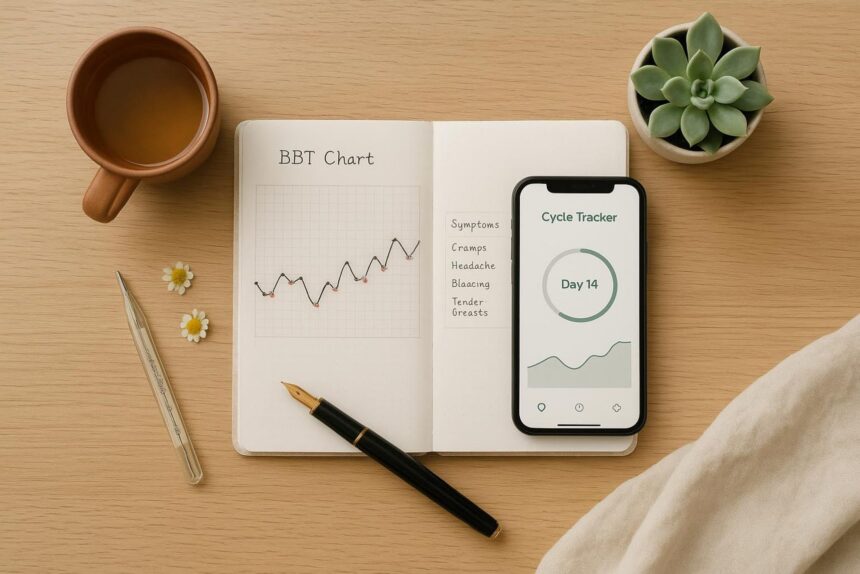
Coaches learn to review basal body temperature charts, symptom records, and bleeding information to spot patterns linked with inflammation, low progesterone activity, or ongoing stress. They are taught to keep this work within an educational role.
A coach should not present a chart as proof of a medical condition. Instead, the coach can explain what the information may show about the client’s current body patterns. The client can then take an organized health record to a doctor, which may make the medical visit more useful.
How To Facilitate Workshops and Group Discussions
Coaching skills can also be used with groups. Certification programs may offer lesson plans and group-leading methods for community workshops, workplace talks, and cycle education circles.
Graduates learn how to guide group conversations, protect emotional safety, handle different views, and explain hormone science with clear visual materials. Group work can widen a coach’s reach and create additional sources of income.
How To Document Sessions and Protect Client Confidentiality
Professional work requires clear records and strong ethical habits. Training programs, like the ones offered by Cyclical School, teach students to write factual session notes, manage private files, and store health information safely.
Because much coaching now takes place online, students also learn about data privacy rules such as HIPAA and GDPR principles. They practice helping clients review the privacy policies of period-tracking apps so personal health information is handled with care.
Do You Need a Degree or License to Become a Menstrual Health Coach?
The coaching field has a different position from licensed healthcare. A medical license or four-year university degree is not legally required to work as a menstrual health coach. Anyone can set up a wellness business, but responsible practice calls for clear ethical rules and recognized professional training.
Since coaching is largely self-regulated, a respected certification can serve as a basic sign of skill, safety, and professional care. It can build trust with clients and show that you are committed to honest, evidence-based support.
How Certification Differs From a Medical License
A medical license gives a professional legal permission to diagnose illness, order medical tests, prescribe medication, and carry out certain treatments. Medical doctors, naturopathic physicians, and registered dietitians are regulated by official boards and must meet clinical standards.
A menstrual health coach certification shows that a practitioner has studied lifestyle support, education, and habit planning. Coaches do not treat disease. They help clients support daily health habits around their body’s needs. Keeping this boundary clear protects the client and reduces legal risk for the coach.
How To Evaluate Certification Providers and Accreditation Claims
As interest in women’s wellness grows, programs differ greatly in quality. Future coaches need to separate detailed academic training from short courses that provide little more than a certificate.
Review the instructors’ qualifications, the amount of science in the course, and any links with recognized organizations such as the NBHWC or UKIHCA. Trustworthy programs clearly explain their subjects, graduate results, practice requirements, and mentoring process.
Why Insurance, Professional Standards, and Local Regulations Matter
Running a coaching business involves local business laws, liability coverage, and fair trading rules. Even coaches who do not diagnose may need professional indemnity insurance and public liability insurance in case of a complaint or dispute.
Certified coaches should follow a professional code of ethics, use honest advertising, and avoid claims that they can reverse disease. Following these standards helps keep a business lawful, stable, and respectful of clients.
When To Refer Clients to a Doctor, Therapist, Dietitian, or Other Specialist
One of the main skills taught in certification is knowing where coaching ends. Coaches learn to spot warning signs such as severe pelvic pain, unexplained heavy or unusual bleeding, signs of clinical depression, or possible reproductive disorders. These symptoms call for medical review.
Certified practitioners can build referral links with gynecologists, pelvic floor physical therapists, mental health counselors, and registered dietitians. Knowing when to refer a client to another professional protects the client and shows that you can work well as part of a wider care team.
What Are the Benefits and Limits of This Career?
A career in menstrual and women’s wellness can bring personal meaning, independence, and the chance to see clients make major changes in their lives. Like any growing field, it also includes challenges, limits, and business duties.
A realistic view of the work can help you build a career that lasts. Combining your interest in advocacy with sound business habits, personal boundaries, and ethical judgment can reduce burnout and support good client care.
Benefits of Working in Menstrual and Women’s Wellness
One rewarding part of this work is helping clients who have spent years dealing with pain, confusion, or dismissal. Seeing a client move from fearing their period to having more manageable symptoms, steadier energy, and greater confidence in their body can be deeply meaningful.
You also take part in a wider social change that challenges silence and false information about female biology. The work connects you with other health professionals who want to improve the quality of women’s healthcare.
Flexible Employment, Private Practice, and Online Coaching Options
Menstrual health coaching can offer several ways to organize your work. You may choose a local private practice, a mix of workplace consulting and individual coaching, or a fully online service.
Online tools can let you work with clients in different locations, run group learning programs, and create digital resources. This flexibility may help you build a career that fits your values, health needs, and personal responsibilities.
Emotional Demands, Income Variability, and Business Responsibilities
Coaches may support people dealing with chronic pain, fertility concerns, or difficult medical experiences. Holding these conversations can be emotionally demanding. Without clear personal limits and professional supervision, compassion fatigue can become a serious concern.
Independent work also brings changing income, especially while the business is new. Coaches often manage marketing, sales, bookkeeping, legal agreements, and administration while also working directly with clients. This calls for patience, organization, and business confidence.
How to Start a Career After Menstrual Health Certification
Moving from certified student to working coach calls for a clear launch plan. An ethical and successful business needs a clear position, reliable systems, and steady relationship building.
Breaking the launch into practical steps can help you move beyond self-doubt and build a client base based on trust, useful service, and professional care.
1. Define Your Ideal Client and Women’s Wellness Niche
Trying to serve everyone can make your message unclear and your marketing weak. Decide who you are best prepared to help. You might work with young professionals dealing with stress-related cycle changes, parents rebuilding fertility awareness after birth, or people entering perimenopause.
Learn the daily concerns, common language, and goals of your chosen group. A clear focus helps your educational material connect with the people who need your type of support.
2. Gain Experience Through Supervised or Beta Coaching Sessions
After certification, offer a small number of structured practice packages at a lower rate. These beta sessions help you move from classroom learning to live client work in a manageable setting.
Use the experience to test your intake process, improve session plans, and build confidence. Feedback from this first group can help you improve the client experience before opening your services to a wider audience.
3. Create a Clear Cycle-Aware Coaching Offer
Single sessions may not give clients enough time to build lasting changes in habits and cycle support. A better option may be a three- to six-month program that includes regular coaching and time for practice.
Your package could include coaching calls, messages between sessions, cycle-tracking tools, and a clear plan for daily habits. Explain what clients can expect at each stage so they can make an informed choice.
4. Build a Portfolio, Testimonials, and Professional Profile
Ask beta clients for detailed feedback and testimonials. Follow privacy and ethical rules, and remove identifying health information when needed. Real accounts of client progress can help future clients understand the value of your work.
Create a clear online profile that lists your training, ethical standards, professional limits, and client results. Your website and social pages should quickly explain who you help and how your coaching works.
5. Develop Ethical Content and Lead-Generation Channels
Build trust by publishing clear, research-based information about cycle health. Avoid dramatic claims. Instead, write useful articles, send informative emails, or make videos that answer common client questions.
You can also take part in local community events, speak at women’s networking groups, or work with related professionals on podcasts and online talks. Sharing useful information on a regular basis can bring suitable clients to your practice.
6. Set Pricing, Contracts, Intake Forms, and Cancellation Policies
Set up your business systems before taking on paying clients. Use legal contract templates that explain your non-medical role, limits, fees, and cancellation rules.
Use secure intake forms that ask about lifestyle, menstrual history, and stress. Clear policies protect your time, set fair expectations, and give the client relationship a professional starting point.
7. Build Referral Relationships With Qualified Healthcare Professionals
Connect with local gynecologists, pelvic floor physical therapists, functional medicine practitioners, mental health counselors, and acupuncturists. Introduce yourself, share your qualifications, and explain the limits of your coaching role.
Healthcare providers may welcome coaches who help clients practice lifestyle, stress, and food changes between short appointments. Becoming a trusted local contact can lead to regular referrals.
8. Continue Professional Development and Refine Your Services
Research in women’s health and hormone science continues to change. Keep learning by reading peer-reviewed studies, attending reproductive health conferences, and taking advanced courses.
Ask clients for useful feedback about your intake process, resources, and communication. Regular improvements help your practice stay current, useful, and respected.
Is Menstrual Health Coaching the Right Women’s Wellness Career for You?
Becoming a certified menstrual health coach works best when the career matches your strengths, values, and long-term goals. The role calls for interest in science, emotional maturity, and a willingness to manage a business.
Taking an honest look at the daily work can help you decide whether this path fits your professional plans and personal abilities.
Assess Your Interest in Education, Coaching, and Reproductive Health
Think about whether you enjoy body science, cycle physiology, and long-term behavior change. Do you like reading research and explaining hormone concepts in simple, respectful language?
Your interest in coaching also matters. Good coaches do not try to fix clients. They walk beside them, ask thoughtful questions, and help clients build their own body knowledge and confidence.
Consider the Clients and Settings You Want To Serve
Imagine the setting where you would like to work. Would you prefer private online sessions, small in-person workshops, workplace meetings, or a team-based healthcare setting?
Think about the communities you want to support. Identifying the life stages, backgrounds, and concerns that matter most to you can help you decide whether menstrual health coaching is a good fit for your wider career goals.
Match Certification Training With Your Long-Term Career Plan
Look at how menstrual health coach certification fits into your plans for the next several years. It may be the main qualification for a new private practice, or it may add a focused service to an existing healthcare, nutrition, therapy, or fitness career.
When strong training matches a clear business plan and a sincere wish to help, certification can mark a major step in your career. It can prepare you to build meaningful work in women’s wellness while supporting clients with knowledge, respect, and care.
In the coming years, certified menstrual health professionals may work beyond individual lifestyle coaching and take part in wider public programs. Public health groups and schools are reviewing years of weak reproductive education. Coaches may help create interactive lessons that encourage discussion instead of relying on old lecture-based methods. Bringing clear cycle education into schools and community organizations can challenge stigma and support fairer health education.
The fast growth of digital femtech is also creating new work for cycle specialists. Millions of people use cycle-tracking tools, and coaches can help them read ongoing body data in a careful and responsible way. They can also explain digital privacy and data use. By combining technology with sound science and human support, certified menstrual health coaches can help build a better-informed future for women’s health.