Credit Utilization Is Really About Timing
Most people think credit utilization is a spending problem. It often is not. More often, it is a timing problem hiding inside a math problem.
On paper, credit utilization sounds simple. You divide your revolving balances by your total available credit, and you try to keep that number below 30 percent. Better yet, you aim for under 10 percent when possible. But in real life, that number behaves more like a snapshot than a full movie. A person can be responsible, pay on time, and still look overextended if balances are high when card issuers report them. That is one reason people exploring options like debt settlement also need to understand how utilization shapes the picture lenders see.
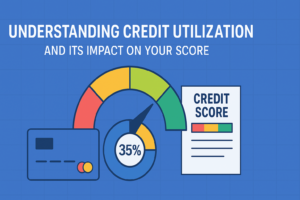
If you look at credit utilization as a calendar issue instead of only a discipline issue, it becomes easier to manage strategically. The goal is not to become afraid of using credit. The goal is to make your balances tell the right story at the right moment.
Why Utilization Carries So Much Weight
Lenders are trying to answer a basic question. How much of your available revolving credit are you currently relying on? A lower ratio suggests you are not stretched too thin. A higher ratio can suggest more risk, even if you have never missed a payment.
That is why utilization has such a strong effect on credit scores. Revolving accounts, especially credit cards, are flexible by design. You can borrow, repay, and borrow again. Because balances can rise quickly, utilization becomes a fast signal of how much pressure your finances may be under.
It also helps to remember that both overall utilization and card by card utilization matter. You could have a decent total ratio but still raise concerns if one card is nearly maxed out. In other words, spreading balances thoughtfully matters almost as much as lowering them.
Think Like a Scoreboard Manager, Not Just a Budgeter
A useful mindset shift is to treat your credit profile like a scoreboard that updates on a delay. Your actual spending habits matter, of course. But so does the version of those habits that gets reported.
This is where strategy comes in. If you pay your balance in full every month, that is excellent. But if you wait until the due date and the issuer reports your balance earlier in the billing cycle, your credit report may still show a high utilization ratio. You did the right thing financially, yet the timing can still make your profile look heavier than it really is.
That does not mean you should obsess over every transaction. It means you should know your statement closing dates and understand that paying before the statement cuts can reduce the balance that gets reported. According to Experian’s explanation of credit utilization, lower utilization is generally better, and both total and individual revolving balances can influence how lenders and scoring models view your credit profile.
The 30 Percent Rule Is a Ceiling, Not a Target
One of the biggest misunderstandings in personal finance is treating 30 percent like a good place to sit. It is better to think of 30 percent as a line you try not to cross, not a number you aim for.
If your total available credit is $10,000, then a 30 percent utilization ratio means carrying $3,000 in reported balances. That may sound manageable, but from a scoring standpoint, lower is usually stronger. Under 10 percent often presents a much healthier picture, especially if you are preparing to apply for a mortgage, auto loan, apartment lease, or even some jobs that review credit.
This matters because credit utilization is one of the few score factors you can often influence fairly quickly. If you reduce balances and those lower balances get reported, your profile may improve faster than it would with factors like account age, which take time to build.
How to Manage Utilization Without Freezing Your Life
The smartest approach is not to stop using credit cards altogether. Cards can be convenient, secure, and rewarding. Instead, build a system that keeps your ratio low without making your day to day life harder.
Start with a personal utilization cap that is lower than the public rule of thumb. For example, if you want to stay under 10 percent overall, figure out what that number is in dollars. On $20,000 of total credit, that means keeping reported balances below $2,000.
Next, break that cap across cards. If one card has a much lower limit, be careful not to overload it. A $500 balance on a $1,000 limit card is 50 percent utilization on that account, even if your total utilization is fine.
You can also make multiple payments each month. This is especially useful if you put regular expenses like groceries, gas, or subscriptions on a rewards card. Paying once in the middle of the cycle and again before the statement date can keep the reported balance much lower.
Another option is to ask for a credit limit increase, as long as you are not using it as permission to spend more. More available credit can lower your utilization ratio if your balances stay the same. Having more available revolving credit can help keep utilization lower, which may support stronger credit scores.
When High Utilization Is a Warning Sign
There is a difference between tactical high utilization and chronic high utilization. A large planned purchase that gets paid down quickly is one thing. Constantly floating near your limits is another.
If your utilization keeps climbing because essentials are going on cards, the issue is no longer just score optimization. It is cash flow strain. At that point, strategic management means zooming out and addressing the broader debt picture. A low score is frustrating, but ongoing revolving debt at high interest is often the bigger financial threat.
Watch for patterns like only making minimum payments, shifting balances from card to card without reducing total debt, or feeling relieved each time a statement closes because you avoided going over the limit by inches. Those are signs that utilization is reflecting real pressure, not just awkward timing.
Use Utilization as a Monthly Diagnostic Tool
One overlooked benefit of tracking utilization is that it works like a monthly stress gauge. If your ratio is creeping up, it may be telling you something before your budget spreadsheet does.
Maybe your fixed expenses have quietly risen. Maybe a lifestyle upgrade stuck around longer than expected. Maybe inflation has made your normal routine cost more than it did a year ago. Utilization can reveal that drift in a very practical way.
Checking it once a month can help you catch problems early. Not to judge yourself, but to adjust. Maybe you move one recurring bill off a crowded card. Maybe you make a pre statement payment. Maybe you pause discretionary spending for two weeks and reset.
That is the real power of managing credit utilization strategically. It is not just about squeezing points out of a score. It is about making sure your borrowing stays useful, visible, and under control. When you treat utilization as a signal, not just a formula, you make better decisions before small imbalances turn into expensive ones.