Comfort problems in a Fallston home often trace back to one thing: airflow. Our Mid-Atlantic mix of humid summers and chilly snaps can expose weak links in a system’s ductwork, filters, and outdoor equipment. When air cannot move freely across an evaporator coil or heat exchanger, you get uneven rooms, longer run times, and avoidable wear on the blower motor. This article covers practical airflow pitfalls homeowners can safely check, plus the trade-offs to consider when choosing filters, setting thermostats, and managing vents. If your system short cycles, ices over, or constantly calls for auxiliary heat, start with these airflow realities before assuming a major component has failed.
-
Closing Vents and Blocking Returns Raises Static Pressure
Shutting supply registers in unused rooms or covering return grilles with furniture seems harmless, but it raises static pressure in the duct system. High pressure forces the blower to work harder and can starve the evaporator coil of warm air, causing icing in summer or high-limit trips in a furnace. A common scenario in a two-story home: closing first-floor registers to “push” more air upstairs makes the blower louder, and the upstairs still feels stuffy because return airflow is choked. Keep a trusted local reference handy if symptoms persist, such as https://mercuryhomeservice.com/, and note which vents or returns were adjusted when issues started.
Walk room to room and open every supply register. Clear at least a foot of space around return grilles so curtains, bookcases, or pet beds don’t smother them. Vacuum dust from the grille fins; lint and pet hair act like a felt pad that restricts air. After opening vents, listen at the air handler: a steadier blower sound and gentler airflow at registers are good signs. If you still have weak airflow at the farthest rooms, the system may need balancing dampers set by a professional, but many homes recover once returns and registers are unobstructed.
-
Filter MERV, Thickness, and Change Timing Affect Airflow
Filters trade dust capture for resistance. A high-MERV, 1-inch filter can restrict airflow more than a lower-MERV, 4-inch media filter with greater surface area. If your filter slot only supports thin filters, selecting the highest MERV number may reduce cubic feet per minute (CFM) enough to chill the evaporator coil in July. In a realistic case, an allergy sufferer swaps to a MERV 13 in a tight 1-inch rack; airflow drops, the coil runs colder, and supply ducts sweat. If possible, consider upgrading to a 4-inch media cabinet so you can keep filtration high without choking the blower.
Right size and timing matter just as much as MERV. Confirm the exact dimensions printed on your current filter frame; a “nominal” 16x25x1 is rarely the true size. In Fallston’s pollen-heavy spring and humid late summer, check filters monthly and change them at the first sign of matting or bowing. A collapsed filter can bypass dust directly into the blower wheel and coil fins, compounding the restriction. If your return is undersized, even a mid-MERV filter may load quickly; mark change dates on the thermostat and compare how different brands affect airflow noise at the grilles.
-
Duct Leaks in Attics and Crawlspaces Dilute Conditioned Air
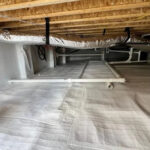
Leaky ducts turn your attic or crawlspace into part of the system. A disconnected return boot can pull hot, dusty attic air into the air handler, elevating indoor humidity and coating the evaporator coil with debris. On the supply side, tears in flex duct or loose takeoffs at the plenum spill cooled or heated air before it reaches distant rooms. In a single-story ranch, a small gap at a crawlspace elbow can leave the far bedroom chronically warm in summer, while the blower ramps up to compensate and utility bills creep higher.
You can do a quick, safe survey with the system running: feel for stray airflow at accessible joints, look for dark streaks where insulation meets metal (dust often marks leaks), and check that boots are firmly attached to floor or ceiling registers. Tape meant for boxes isn’t suitable; permanent fixes typically use mastic or UL 1181-ratedfoil tape and, if needed, resizing a starved return. Because leaks and airflow interact, a professional duct test and static pressure measurement can confirm where sealing or resizing has the biggest payoff.
-
Thermostat Habits That Trigger Short Cycling and Auxiliary Heat
Big setpoint swings can send the system into inefficient modes. With heat pumps common in our region, deep setbacks on a frosty morning can trigger auxiliary electric heat, spiking energy use and drying indoor air. Rapid manual nudges can also cause short cycling, where the air handler starts and stops before the coil or heat exchanger stabilizes. In summer, frequent thermostat bumps below 70 can lead to coil icing when combined with a loaded filter or blocked return.
Program steady schedules with modest setbacks: for many homes, 3 to 5 degrees works better than 8 to 10. Mount thermostats away from supply registers, sunlit walls, and kitchen heat sources so they read actual room conditions. If the upstairs lags behind the downstairs, avoid closing downstairs registers; consider a continuous low fan setting during mild weather to promote mixing, or ask about zoning and balancing adjustments. The goal is longer, steadier cycles that let the system dehumidify in summer and avoid auxiliary strips in winter.
Outdoor Unit Clearance and Coil Cleanliness in All Seasons
Heat pumps and AC condensers reject or absorb heat across the outdoor coil; blocked fins cut that heat exchange. Maintain at least 24 inches of clearance on all sides and a few feet overhead. Trim shrubs, remove leaf piles, and keep grass clippings away from the base. In late spring, cottonwood fluff can plaster the coil like felt. With power safely off at the disconnect, a gentle rinse from the inside out helps clear debris without folding delicate fins; avoid high-pressure nozzles and cleaners not labeled for coils.
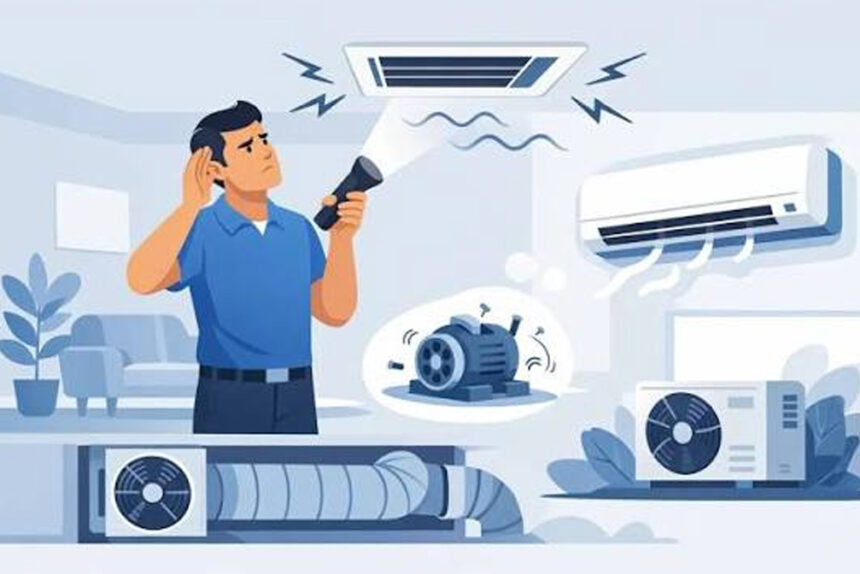
Winter care matters too. For heat pumps that run year-round, do not cover the cabinet; a full cover traps moisture and blocks airflow during defrost. After storms, brush off snow so the fan can breathe and condensate can drain. Listen for changes in sound: a louder outdoor fan, sporadic rattles, or frequent defrost cycles can indicate airflow or sensor issues. Indoors, make sure the air handler’s condensate drain is clear to prevent water from backing up around the coil pan, which can spill and increase mold risk on surrounding insulation.
Addressing airflow is the quickest way to stabilize comfort before assuming a refrigerant or burner problem. Open registers and returns, match filter MERV to the available surface area, seal obvious duct leaks, and give the outdoor coil room to work. Two real-world checks often change the game in Fallston homes: freeing a smothered return grille in a busy hallway and replacing an overly restrictive 1-inch filter that loads up every few weeks. If you still see ice on the evaporator, frequent auxiliary heat, or rooms that never reach setpoint, a qualified HVAC technician can measure static pressure, inspect duct sizing, and verify coil and blower condition to finish the job.