When a pipe bursts, a breaker trips, or the air conditioner starts leaking through a ceiling vent, the first half hour matters. You do not need to fix the problem on your own, but you can make your home safer and reduce damage by taking a few targeted steps. This guide shows exactly what to do for the three most common categories of home emergencies: water, power, and HVAC. You will learn where to find shutoffs, how to stabilize a situation without making it worse, and what information to gather so a licensed technician can resolve the issue faster.
-
Stop Water Fast: Main Shutoff, Fixture Valves, and Leaks You Can Contain
Find your main water shutoff first; it is often near a front hose bib, inside a garage, or where the water line enters a crawlspace. A ball valve turns a quarter turn; a gate valve turns clockwise several turns to close. Test by opening a faucet until the flow stops. If the leak is limited to one fixture, use the angle stop under a sink or the valve at the toilet supply line to isolate it. If you have already called a local provider, a dispatcher at Thompson & Thompson Service Group may ask you to close the main and open a low tub spout or exterior spigot to relieve pressure.
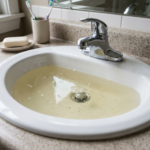
Scenario: A toilet supply tube pops at 10 p.m. Shut the small valve at the wall clockwise, flush once to empty the tank, and place towels or a bucket to catch residual drips. If a ceiling stain appears below, move valuables, poke a tiny hole in bubbling paint to drain trapped water safely into a container, and close the main if the leak continues. For a sewer backup, remove a cleanout cap outdoors to relieve pressure and stop using any fixtures inside. Avoid chemical drain cleaners; they can etch fixtures, damage certain pipes, and create a hazard for the technician who opens the line.
-
Kill Power Safely: Breakers, GFCI Resets, and When to Leave It Off
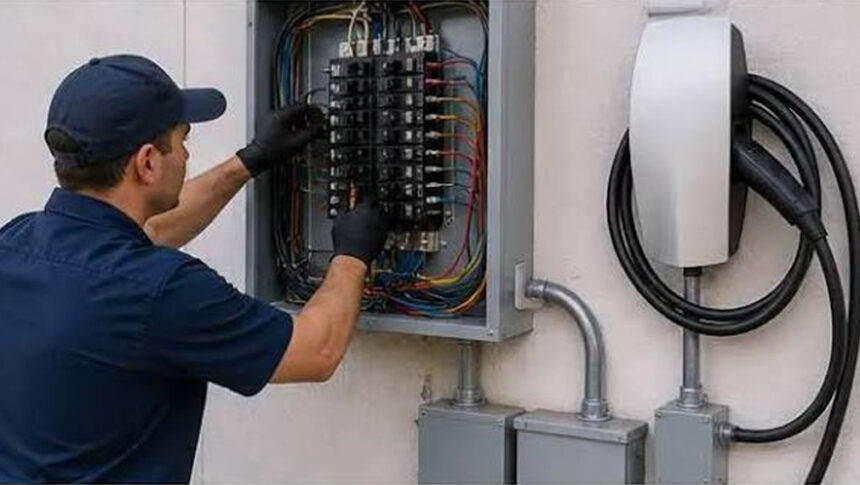
Go to the circuit breaker panel and look for a handle that sits between on and off. Turn the tripped breaker fully off, then back on once. If it trips again immediately, leave it off. If you smell burning or see scorch marks at a receptacle, turn off that circuit or use the main service disconnect to cut all power, then wait for a professional. For dead outlets near sinks, press the reset button on the upstream GFCI receptacle; bathrooms, kitchens, garages, and exterior outlets often share a GFCI. Never open a panel or touch breakers while standing on a wet floor; step away and wait.
Scenario: a dishwasher trips the breaker mid-cycle. Unplug or switch off the appliance, allow it to cool for 15 minutes, and reset the breaker once. If it trips again, stop there. Repeated resets can overheat wiring and damage the breaker contacts. Scenario two: lights dim and buzz when the HVAC starts. Switch the thermostat to off and do not reset breakers repeatedly; this symptom can indicate a motor or capacitor problem that needs diagnosis, not more current.
-
Stabilize HVAC Issues: Thermostats, Condensate Drains, and Frozen Coils
If the air conditioner runs but airflow is weak and the large copper suction line has frost, the evaporator coil may be frozen. Set the thermostat to fan only to thaw the coil and replace a clogged return air filter to restore airflow; running cooling during a freeze can flood the pan when ice melts. If you see water in the secondary condensate pan in the attic, power down the air handler at its nearby service switch and empty the pan with a small pump or towels. Do not remove sealed access panels; keep water away from electrical components.
Scenario: water stains appear under an upstairs vent. Check the condensate drain line termination outdoors; if algae clogs it, a wet dry vacuum at the line’s end can pull out the blockage and stop the overflow temporarily. If your system has a float switch, it may intentionally shut cooling off to prevent further damage; do not bypass it. Scenario two: you smell gas near a furnace or water heater. Leave the building, avoid operating switches or lighters, and call your gas utility from outside. Do not attempt to relight a pilot or open burner compartments.
-
Information That Helps the Technician: Photos, Model Numbers, Access, and Containment
Take clear photos of the leak location, breaker positions, GFCI status, or thermostat error codes. Note which rooms or fixtures are affected and when symptoms started. Snap photos of the model and serial labels on the water heater, air handler, outdoor condenser, or appliance. Clear about three feet of space around the breaker panel, under the sink if a P-trap is leaking, and around the water heater. Secure pets, and point out attic or crawlspace access hatches. If you have a sewer cleanout, show the technician its location to speed up line testing.
Label anything you turned off: a piece of painter’s tape on the main water shutoff or a breaker left off prevents accidental reactivation. Bag wet rugs and open windows to ventilate, but avoid running ceiling fans in rooms with bulging drywall. Do not drink tap water after a known sewer backup until lines are cleared and flushed. Keep failed parts in place so the root cause is visible. Avoid using expanding foam or tape as a quick patch on drain joints; these make proper repairs harder and can trap moisture where you cannot see it.
What Not to Do: Common Mistakes That Make Damage Worse
Do not keep resetting a breaker that trips repeatedly; heat buildup can degrade insulation and lead to arcing. Do not pour caustic drain cleaners into a sink that may require disassembly; residues linger in P-traps and disposal housings and are hazardous to handle. Do not keep running an air conditioner with ice on the coil; meltwater can overflow the pan and stain ceilings. Do not ignore a slow drip under a vanity; a warped cabinet floor often means the leak has been ongoing and water has spread behind the toe kick.
There are trade-offs. Closing a single fixture’s angle stop keeps the rest of the house running, but if the valve is stuck or seeping, the safer choice is to close the main and drain pressure at a tub spout. Shutting off the main breaker quickly eliminates a suspected short, but you will lose refrigeration; if food safety is a concern, keep the refrigerator closed and plan to transfer perishables to a cooler with ice if power will be off for several hours. Choose the option that most reduces immediate risk without creating new ones.
The first 30 minutes of any home emergency should focus on safety and stabilization: stop active water flow, cut dangerous power, and prevent further HVAC-related leaks. Then gather photos, note what you observed and turned off, and clear access. When a licensed technician arrives, those steps shorten the discovery phase and help protect your home from secondary damage. Keep this guide with your panel directory or near the main shutoff so you can act quickly if trouble starts, and review these locations with everyone in the household during calm weather.