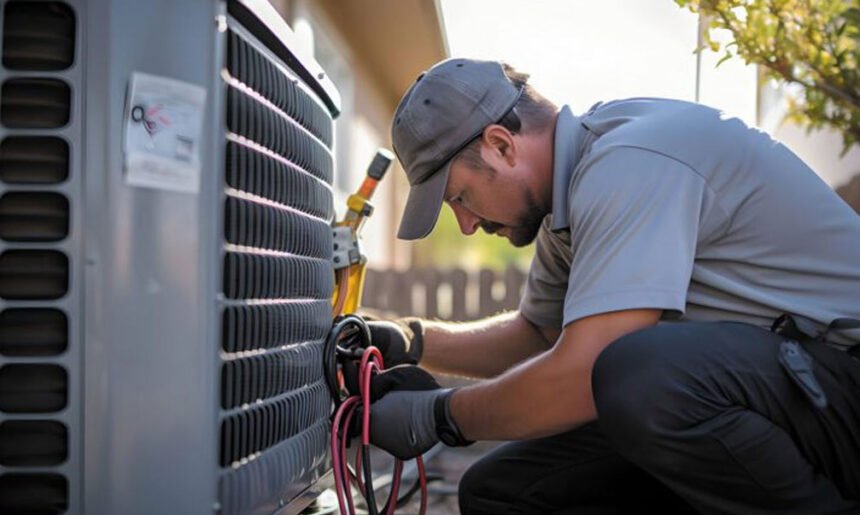
Mechanicsville’s weather swings from humid summers to chilly winters, which means your HVAC system has to pivot quickly and reliably. A little seasonal maintenance goes a long way toward avoiding cooling failures in July or a furnace lockout in January. The goal is simple: keep air moving, heat transfer surfaces clean, water draining, controls responsive, and ducts tight. You can handle several visual checks with basic tools, while tasks involving refrigerant, gas combustion, or live voltage should be left to a licensed technician. Use the steps below as a practical playbook to get ahead of common failures before the extreme temperatures arrive.
-
Start With Airflow: Filters, Returns, and Room Circulation
Begin at the return grille and filter rack. Replace a clogged filter, confirm the arrow points toward the air handler, and make sure the filter fits snugly so air cannot bypass around the edges. Higher MERV ratings capture finer particles, but they also add resistance; if your system struggles with airflow, a moderately rated filter changed more often is safer than a restrictive one left in too long. For a deeper look at what a professional tune-up typically covers, review a trusted resource such as https://allianceheatcool.com/ to understand how airflow checks fit into the bigger picture.
Next, vacuum dust from return grilles, open interior doors to relieve pressure between rooms, and keep furniture or drapes from blocking supply registers. Starved airflow raises static pressure, which can overheat a furnace’s heat exchanger or cause an evaporator coil to ice over. A common mistake is closing supply vents in unused rooms to “save energy.” In reality, that restriction can force the blower to work harder, reduce overall comfort, and shorten component life.
-
Give Heat Transfer Surfaces Room to Work Outdoors and In
Your outdoor condenser or heat pump needs clear, cool air to shed heat. Shut off power at the disconnect, then gently rinse debris from the condenser coil with a garden hose, following the manufacturer’s cleaning instructions. Remove leaves, seed pods, and grass clippings lodged in the fins, and keep shrubs trimmed a couple of feet back to maintain airflow. Skip pressure washers and strong chemicals; they can fold fins and trap dirt deeper in the coil, driving head pressure up and straining the compressor. Inside, look for signs of a dirty evaporator coil, like reduced airflow, warm supply air, or frost on the large insulated refrigerant line. Coil cleaning behind a sealed panel is a professional task, but spotting the symptoms early can prevent a midsummer breakdown.
-
Keep Condensate Moving to Control Moisture
In cooling season, your air handler will pull pints of water from the air every hour. That condensate must flow through a trap and drain line to a safe discharge. Check the primary pan for standing water or slime, clear the drain opening, and flush the line with warm water where the system’s maintenance instructions permit. A secondary safety switch in the pan may cut power to the system if it senses rising water; it is a smart last line of defense, but a clear drain is better. If you ever notice a water spot under an attic air handler, shut the system off and address the blockage before the ceiling fails. For humidity control, resist the urge to drop the thermostat dramatically; excessively low setpoints can cause unnecessary extended operation without solving the underlying moisture problem. If summers feel clammy even with adequate cooling, ask a professional about blower speed adjustments or a dedicated whole-home dehumidifier.
-
Verify Thermostats and Electrical Components Are Doing Their Job
Thermostats drive both comfort and efficiency. Replace weak batteries, confirm the time and schedule, and test both heating and cooling modes for a few minutes during mild weather. If your heat pump’s outdoor fan runs but the indoor unit short cycles or the room never reaches setpoint, the issue may be electrical. Homeowners can listen and look for warning signs without opening equipment panels: unusual buzzing, burning smells, or visible damage all warrant a service call. Avoid opening electrical compartments or touching capacitors, which can retain a dangerous charge even after power is disconnected. A licensed technician can safely measure voltage, check blower motor amperage, and verify that safeties like the high-pressure switch and defrost board are operating correctly.
Look Beyond the Box: Duct Sealing, Safety, and Early Test Runs
Leaky ducts waste conditioned air and drag attic or crawlspace dust into the home. Inspect accessible trunks and plenums for gaps, loose boots, or missing takeoff caps, and seal metal seams with mastic or UL-listed foil tape rather than cloth duct tape. Insulate bare runs in unconditioned spaces to limit heat gain or loss. If you heat with gas, keep carbon monoxide alarms fresh and have a professional evaluate the heat exchanger and flue for cracks or backdrafting. Run a seasonal test in both modes: listen for new rattles, watch for supply temperatures that drift, and look for frost on the suction line. One realistic pitfall is closing basement vents to “push” more air upstairs; that imbalance can freeze the coil and soak the furnace cabinet. Balance registers instead, or have a technician assess airflow and static pressure. Document filter sizes, belt numbers, and service dates on the air handler panel so you are not scrambling later.
Seasonal maintenance is about preventing stress on the expensive parts: compressor, blower, coil, and heat exchanger. If you keep airways open, coils clean, water draining, controls responsive, and ducts tight, your system will handle Mechanicsville’s swings more comfortably and with fewer surprises. Keep simple records of filter changes and any symptoms you notice. If you smell electrical burning, see ice on the refrigerant line, trip a breaker repeatedly, or find water in the pan, shut the system down and call a licensed HVAC technician. Small, timely steps now are easier than emergency repairs in peak weather.