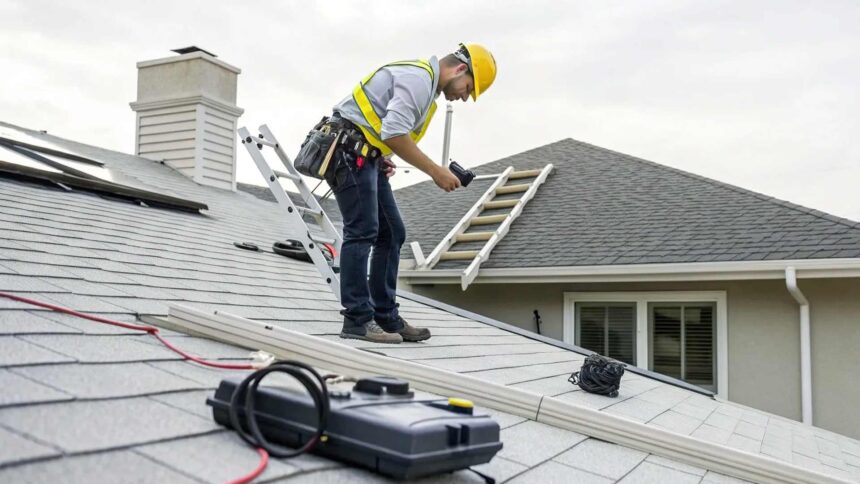
Many Bronx homes and low-rise buildings use flat or low-slope roofs covered with modified bitumen, EPDM, or TPO. These systems can perform well, but New York’s freeze-thaw cycles, wind-driven rain, and rooftop equipment create predictable weak points. Before you schedule a site visit, a quick, safety-first diagnostic can help you explain the problem clearly and speed up repairs. The steps below focus on common Bronx details like parapet walls, coping stones, scuppers, and roof drains, and they keep you off the roof. You will learn where leaks typically begin, what clues to collect inside the building and from the sidewalk, and how timing or weather can affect the repair approach.
Before You Call: What Leaks Look Like on Bronx Flat Roofs
Leaks often start where materials change or move: base flashing at parapet walls, seams in a modified bitumen cap sheet, clamped rings at roof drains, and around penetrations like HVAC curbs, vent pipes, skylight curbs, or electrical pitch pockets. In wind events, loose counterflashing can peel just enough to let water track behind stucco. After cold snaps, coping stone joints open and admit meltwater that stains interior plaster near exterior walls. If you need to compare solutions, you will be better prepared when speaking with Bronx roofing contractors by naming specific details like “open lap at base flashing” or “ponding ring near the scupper,” rather than a general ceiling stain.
Safe Checks From Inside and Street Level
Start indoors. Note fresh water marks on top floor ceilings, bubbled paint near the ceiling line of exterior walls, and hairline cracks radiating from light fixtures. In stairwells, look for a vertical stain that aligns with an exterior parapet or bulkhead. During rain, listen for drips in utility rooms beneath roof penetrations and check closets on the building’s perimeter for damp drywall seams or a musty odor. These interior clues help trace the source to a drain bowl, a skylight curb, or a specific parapet section.
Then step outside with a zoomed phone camera or binoculars. From the sidewalk, look for a dark “tide mark” indicating ponding water, alligatoring, which is a cracked, crazed surface, on an old cap sheet, or a lifted membrane edge near the parapet. Scan scuppers for debris lodged in strainers, and note whether leaders discharge normally after rain. On buildings with visible coping stones, check for missing mortar between joints, a frequent starting point for leaks that migrate behind base flashing. Never climb onto a roof without proper training and fall protection.
Photograph and Map the Clues Contractors Need
Clear photos save time. Take a wide shot of the building face and parapet line, then zoom in on suspect details like a split at a corner flashing or a patched area next to a roof drain. Indoors, photograph every stain with a ruler or common object for scale, and take a second photo that shows the nearest window or wall to fix its position. Write down the storm conditions when the leak appeared, such as heavy rain, wind from the south, or snowmelt, and whether the stain is under a known rooftop item such as an HVAC curb or vent stack. A simple sketch marking scuppers, drains, skylights, and interior leak locations helps the crew head straight to likely sources.
Temporary Patch or Section Replacement: Matching the Repair to the Problem
Small punctures in a TPO or EPDM field can sometimes be addressed with a compatible heat-welded or primed-and-taped patch, while a split along a modified bitumen seam may require reinforcing mesh and mastic, followed by a cap sheet patch. These targeted fixes are fast and can bridge you to larger work. The trade-off is longevity: a quick patch on a moving detail like a pitch pocket or a shrunken membrane edge may only buy time if the substrate is damp or deteriorated. If multiple blisters, long open seams, or recurring ponding show up, replacing a larger section down to sound material is usually more durable than stacking patch over patch.
A common mistake is coating over a wet surface. Aluminum roof coatings and even cold adhesives can trap moisture, leading to blistering when the sun hits the roof. Another pitfall is caulking a failed counterflashing without addressing the loose reglet or missing termination bar behind it, which sends water sideways until it finds another gap. Scenario one: a two-family in Pelham Bay finds a wide dark ring after a stormy fall, caused by leaves clogging scuppers. Clearing the strainers and installing a new outlet screen solves the immediate issue, but the alligatoring revealed by that ponding warns that a section replacement should be planned. Scenario two: a small shop along White Plains Road develops a stain under an HVAC register after a windstorm; a lifted curb flashing is patched with a heat weld, then scheduled for a more secure curb reflash once dry weather returns.
Weather Windows and Sequencing That Affect Repair Quality
Successful flat roof repairs depend on dry substrates and workable temperatures. Adhesives and primers for EPDM or modified bitumen need a dry window long enough for cure time, and even heat-welded TPO patches adhere better when the membrane is clean and not sweating from temperature swings. Winter patches can hold, but bonding is stronger during milder spells; in deep cold, temporary measures like reinforced mastics may be used until a proper weld or reflash is possible. After repairs, keep scuppers and roof drains clear so ponding does not return, and ask the roofer where to look inside during the next storm so you can confirm the fix before closing out the issue.
A safe, ground-level diagnostic makes your first conversation with a roofer shorter and more productive. By pointing to specific details like parapet counterflashing, coping joints, roof drains, and HVAC curbs, you help the crew arrive with the right materials and focus their testing. Good photos, notes about storm direction, and a simple interior map often reveal whether you need a surgical patch or a larger section replacement. That preparation doesn’t replace a professional investigation, but it reduces guesswork, tightens timelines, and helps your roof survive the next Bronx storm in better shape.