A driver who leaves after a crash takes something with them besides their license plate. They take away the simple answers most people expect after an accident. Who hit me? Who is paying for this? What happens if I cannot work? Those questions can feel heavier when the other car is already gone.
Still, leaving the scene does not erase every option. A hit-and-run crash can be harder to prove, but it may still lead to compensation through insurance coverage, evidence, and a prompt report. A car accident lawyer in Boynton Beach, FL, may review what happened, what coverage applies, and what evidence can still be found.
Why a Hit-and-Run Claim Feels Different
In a typical crash, both drivers exchange information. Insurance companies review fault, vehicle damage, statements, and medical records. After a hit-and-run accident, one side of the story is missing.
That missing driver creates practical problems. There may be no insurance card, no recorded statement, and no immediate way to confirm who caused the crash. The injured person may be left dealing with pain, car repairs, and insurance calls while also trying to remember every detail from a stressful moment.
That is why the first few steps matter. A strong claim often begins with a clear timeline. Where did the crash happen? What direction did the other vehicle go? Were there nearby businesses, homes, traffic cameras, or witnesses? The answers may help replace some of what the fleeing driver tried to avoid.
The Police Report Can Anchor the Claim
A police report is one of the first records an insurance company may ask about. It helps show that the crash was reported, where it occurred, and what details were available at the time.
The report may include vehicle descriptions, witness names, damage notes, injury complaints, and any information about the driver who left. Even if the other driver is not found right away, the report can support the fact that the crash happened and was treated seriously from the start.
Waiting too long to report the crash can make the situation harder. Insurance companies may ask why there was a delay. They may question whether another vehicle was involved. A timely report does not solve everything, but it gives the claim a cleaner starting point.
Insurance Coverage May Still Help
Many people think compensation has to come from the driver who caused the crash. That is often the goal, but a hit-and-run driver may not be identified. In that situation, the injured person’s own coverage may become important.
Florida’s personal injury protection coverage may help with certain medical bills and lost income after a crash, regardless of fault. It has limits, and it may not cover every loss, but it can provide some support while the rest of the claim is reviewed.
Uninsured motorist coverage may also apply in some hit-and-run cases. If the fleeing driver cannot be found or does not have insurance available, this coverage may help cover losses beyond basic benefits, depending on the policy. A car accident lawyer in Boynton Beach, FL, may review the policy language and explain how the available coverage may affect the claim.
Evidence Matters When the Other Driver Is Gone
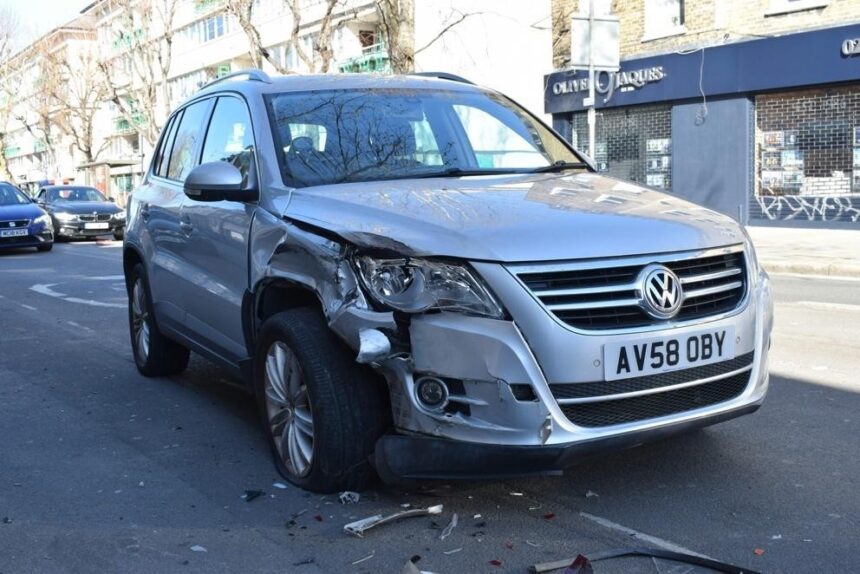
A hit-and-run claim often depends on details collected outside the missing driver’s statement. Photos of vehicle damage, the crash location, paint transfer, debris, and visible injuries can help show how the impact happened.
Medical records are also important. Some injuries are obvious right away. Others take hours or days to become clear. Getting checked soon after the crash helps protect health and creates a record that connects the injury to the accident.
Witnesses may be useful even if they only saw part of what happened. Someone may have noticed the car’s color, a partial plate, the direction it traveled, or how the crash occurred. A short note with names, numbers, and what each person saw can help later.
Cameras May Be the Missing Piece
Surveillance footage can make a major difference in these claims. A nearby gas station, store, apartment building, parking lot, or home may have recorded the crash or the fleeing vehicle.
The problem is that footage does not always last. Many systems record over older video after a short time. A delay of even a few days can mean losing one of the clearest pieces of proof.
That is why it can help to identify nearby cameras quickly. The footage may show a vehicle description, direction of travel, timing, or a partial license plate. In some cases, it may help police identify the driver.
When the Driver Is Later Found
Some hit-and-run drivers are identified after the crash. A witness may come forward. A camera may capture enough of the plate. Police may locate a damaged vehicle. If that happens, the claim may shift.
The driver’s insurance may become part of the case if coverage exists. There may also be questions about why the driver left and whether their conduct affects how the claim is handled. Still, the injured person should not wait for that outcome before taking action.
Medical care, insurance notice, evidence collection, and documentation should start early. If the driver is found later, those records may still help support the claim.
What Compensation May Include
The value of a claim depends on the facts. Injuries, treatment, missed work, policy limits, fault issues, and available evidence can all affect the outcome.
Compensation may involve medical expenses, lost income, future treatment, pain, car repairs, rental costs, and changes to daily life. Some cases are limited by insurance coverage. Others become clearer as medical treatment progresses and more proof becomes available.
An early settlement offer may not reflect the full effect of the crash. Once a claim is resolved, it is usually difficult to reopen it. That makes it important to understand the nature of the injury and the available coverage before making decisions.
Conclusion
A hit-and-run accident in Boynton Beach can leave a person feeling stuck, but it does not always close the door on compensation. Insurance coverage, a police report, witness accounts, medical records, and surveillance footage may all help explain what happened and what options remain.
The key is to act before evidence fades. Report the crash, get medical care, save records, and look for cameras or witnesses near the scene.
If you were hurt and are unsure what comes next, FK Legal can review the facts and explain your options. Speaking with a car accident lawyer in Boynton Beach, FL, may help you understand what steps make sense for your situation.