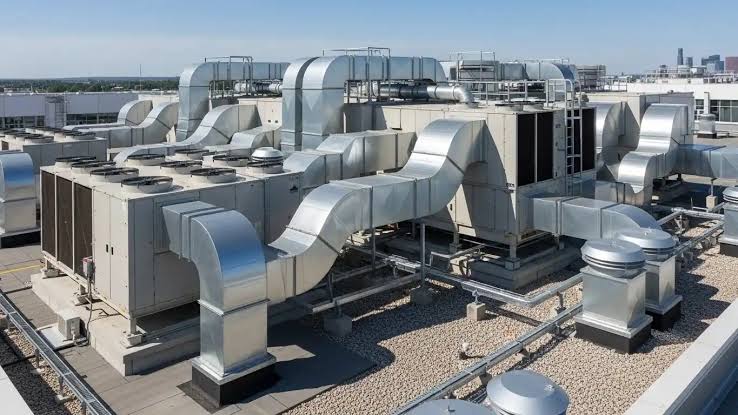
Commercial buildings experience changing demands throughout the year as temperatures, humidity, and weather conditions shift from one season to another. These environmental changes affect indoor comfort, energy consumption, equipment performance, and the overall condition of heating and cooling systems. Property owners and facility managers who prepare in advance often reduce unexpected disruptions while creating a more comfortable environment for employees, customers, and visitors.
Seasonal preparation involves much more than adjusting a thermostat because every component within the HVAC system must work together efficiently. Careful inspections, timely maintenance, and operational adjustments help commercial buildings remain productive regardless of outdoor conditions while reducing unnecessary strain on expensive mechanical equipment.
Seasonal Preparation Matters
-
Understanding Seasonal Demands on Commercial HVAC Systems
Commercial heating and cooling systems rarely operate under identical conditions throughout the year. During colder months, heating equipment must maintain comfortable indoor temperatures despite freezing outdoor air, while in warmer seasons, cooling systems remove heat and humidity from large interior spaces. These changing demands place different levels of stress on compressors, heat exchangers, air handlers, ductwork, filters, thermostats, and ventilation equipment. Buildings with offices, warehouses, healthcare facilities, retail stores, educational institutions, and manufacturing operations all have unique occupancy patterns that influence system performance. Seasonal preparation allows maintenance teams to identify worn components before extreme weather exposes hidden weaknesses.
A thorough review of airflow, refrigerant levels, electrical connections, insulation, drainage systems, and control settings creates a reliable operating environment that minimizes interruptions. One important step involves working closely with an HVAC contractor who understands how seasonal weather affects commercial equipment performance and long-term operating efficiency. Taking preventive action before temperatures change significantly helps preserve equipment life, reduce unexpected repair expenses, and maintain consistent indoor environmental quality throughout the building.
-
Inspecting Equipment Before Weather Extremes Arrive
Preparing for seasonal weather begins long before outdoor temperatures become uncomfortable. Commercial HVAC equipment benefits from detailed inspections that identify developing concerns while they remain manageable. Motors, belts, pulleys, bearings, electrical terminals, safety controls, condenser coils, evaporator coils, and blower assemblies all require attention as part of a comprehensive maintenance process. Small issues such as loose wiring, dirty coils, clogged filters, or minor refrigerant imbalances may seem insignificant in mild weather but can become serious when systems operate continuously during peak heating or cooling seasons.
Facility managers who schedule inspections ahead of seasonal transitions gain valuable time to order replacement parts, arrange repairs, and avoid emergency service calls during periods of high demand. Preventive inspections also reveal airflow restrictions caused by blocked vents, damaged ductwork, or accumulated debris that force equipment to work harder than necessary. Correcting these issues improves system performance while reducing operational strain and the risk of equipment failure during periods when reliable climate control is essential for daily business operations.
-
Maintaining Indoor Air Quality Throughout Seasonal Changes
Seasonal weather affects more than temperature because changing outdoor conditions also influence indoor air quality. Spring pollen, summer humidity, autumn dust, and winter dryness each pose distinct challenges for building occupants. Commercial HVAC systems continuously circulate air through occupied spaces, making proper filtration and ventilation critical components of seasonal preparation. Dirty filters restrict airflow while allowing contaminants to accumulate inside mechanical equipment, reducing efficiency and affecting occupant comfort. Moisture control also becomes increasingly important as humidity fluctuations encourage mold growth, condensation, and unpleasant odors if left unmanaged.
Regular cleaning of coils, drain pans, duct systems, and ventilation pathways helps maintain healthier indoor environments while protecting building materials from moisture-related damage. Proper calibration of ventilation rates ensures fresh outdoor air enters the building without unnecessarily increasing energy consumption. These maintenance activities support employee productivity by creating cleaner, more comfortable indoor conditions where heating and cooling systems operate consistently despite changing environmental conditions throughout the year.
-
Improving Energy Efficiency During Seasonal Transitions
Energy costs represent a significant operating expense for many commercial properties, making seasonal preparation an important financial consideration. HVAC systems consume considerable amounts of electricity and fuel, particularly when outdoor temperatures reach seasonal extremes. Equipment that receives regular maintenance generally operates with less resistance because clean coils transfer heat more effectively, lubricated moving parts experience reduced friction, and properly adjusted controls maintain accurate temperature regulation. Building automation systems also require seasonal programming adjustments that align equipment schedules with occupancy patterns and weather forecasts.
Thermostats, zoning controls, economizers, and ventilation settings should all function together to avoid unnecessary heating or cooling during unoccupied periods. Insulation inspections, weather sealing around doors and windows, and duct leakage evaluations further reduce energy waste by preventing conditioned air from escaping. When every system component works efficiently, commercial buildings maintain comfortable indoor environments while reducing monthly utility expenses. Consistent seasonal preparation supports responsible energy management without sacrificing occupant comfort or placing excessive demands on expensive mechanical equipment.
-
Protecting Building Assets and Business Operations
Commercial properties contain valuable equipment, inventory, technology, and furnishings that depend on stable indoor environmental conditions. Sudden HVAC failures during seasonal weather changes can expose these assets to excessive heat, freezing temperatures, or damaging humidity levels. Data centers require controlled cooling to protect electronic equipment, healthcare facilities depend on reliable ventilation for patient care, and retail businesses rely on comfortable shopping environments that encourage customer satisfaction. Seasonal HVAC preparation contributes to business continuity by reducing the likelihood of unexpected equipment failures that interrupt daily operations.
Maintenance activities also identify conditions that may pose safety risks, including carbon monoxide hazards, electrical hazards, refrigerant leaks, blocked exhaust systems, or malfunctioning safety controls. Addressing these issues before severe weather arrives reduces operational risks while supporting compliance with applicable building standards. Reliable indoor climate control protects employees, customers, equipment, and inventory while helping organizations maintain consistent productivity regardless of changing outdoor conditions.
Seasonal weather changes present ongoing challenges for commercial buildings, making HVAC preparation an essential part of responsible property management. Careful inspections, preventive maintenance, improvements in indoor air quality, energy-efficiency measures, and long-term planning all contribute to dependable system performance throughout the year.
These efforts reduce unexpected breakdowns, protect valuable assets, support occupant comfort, and extend the useful life of expensive equipment. By addressing potential concerns before extreme temperatures arrive, commercial property owners create safer, more efficient environments that remain productive regardless of changing seasonal conditions while supporting stable operating costs and dependable building performance.