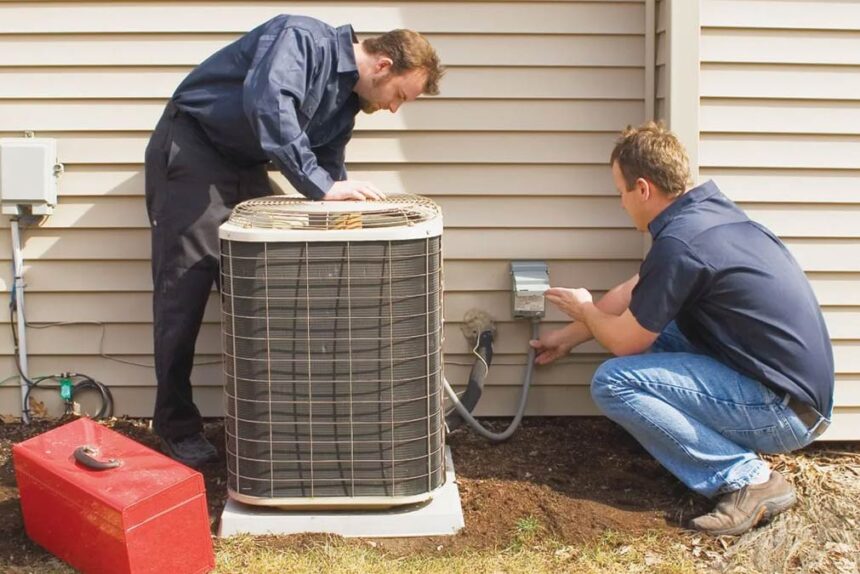
Westford’s warm, humid summers put central air conditioners and heat pumps under heavy strain. When cooling slips, small problems like a clogged filter or dirty condenser can quickly grow into frozen coils, water leaks, or a stressed compressor. This guide covers what homeowners can observe and do safely before calling for emergency service, which symptoms require shutting the system down, and what a technician will likely test during a cooling repair visit. By matching real symptoms to likely causes and taking a few low-risk steps, you can protect your equipment and keep your home more comfortable while you plan your next move.
-
Early Signs Your AC Needs Repair, Not Just a Lower Setpoint
Watch for weak airflow at supply registers, longer run times, warm air from vents, or uneven rooms that stay hot upstairs. Frost on the large insulated suction line or visible ice on the evaporator coil indicates low airflow or low refrigerant. A breaker trip at the outdoor condenser can suggest a seized compressor or an electrical short. A humming outdoor unit with a fan thatwon’tt start often points to a failing capacitor, while a musty smell near the air handler may signal a clogged condensate drain or a wet evaporator pan. In humid Massachusetts weather, these symptoms escalate quickly because the coil is already working to remove moisture.
Two common scenarios illustrate the pattern. On a 90-degree afternoon, your condenser runs but supply air feels lukewarm, and the upstairs won’t cool. That often traces to a matted filter restricting airflow or a dirty outdoor coil acting like a sweater around the condenser. Another scenario is short cycling: the system starts, stops within minutes, and repeats. That can reflect a thermostat issue, low refrigerant causing the compressor to overheat, or a failing contactor. For a practical comparison of symptoms and service terms, regional resources such as www.elemental-hvac.com can help you identify which problems are urgent and which you can manage until a scheduled visit.
-
Safe Checks: Thermostat, Filter, Breakers, and Outdoor Condenser Clearance
Confirm the thermostat is in Cool mode, set a few degrees below room temperature, and replace its batteries if it has them. Inspect the return filter; if it looks gray or packed with dust, replace it. A highly restrictive filter can starve the blower motor, increase static pressure, and cause the evaporator coil to ice. Next, check the electrical panel for a tripped AC breaker; if it trips again immediately, do not keep resetting it. Outside, clear at least a foot of space around the condenser and gently rinse pollen from the fins with a garden hose (power off first). Avoid high-pressure spray or bending fins, which reduces heat transfer and can mimic a refrigerant problem.
-
When Ice, Repeated Breakers, or Burning Odors Mean Stop Running the AC
Some red flags call for an immediate shutdown. If you see ice on the evaporator coil or suction line, switch the thermostat to Fan Only to thaw the coil and prevent liquid refrigerant from slugging the compressor. If the condenser trips the breaker more than once or you smell a burning odor near the air handler, cut power at the disconnect and do not run the system. Active water leaks from the air handler, a constantly tripping condensate pump, or a float switch that repeatedly stops cooling also warrant a pause. The short-term tradeoff is clear: continuing to run may provide a little cooling now but risks damage to the compressor, blower motor, or control board.
-
What Technicians Test During a Cooling Repair Visit
A qualified tech does more than top off refrigerant. Expect a systematic check of airflow and the refrigerant circuit together, because they interact. They will measure temperature split across the evaporator coil (delta T), test return and supply static pressure, and verify that registers and dampers are open. On the refrigeration side, they will connect gauges, assess suction and discharge pressures, and calculate superheat and subcooling to spot undercharge, overcharge, a restricted metering device, or a weak compressor. Electrical tests typically include checking the run capacitor’s microfarads, inspecting the contactor for pitting, and comparing blower and condenser fan motor amperage to the equipment’s rated load amps. If a leak is suspected, they may use electronic leak detection or add UV dye, then repair the joint or coil, evacuate the system to a deep vacuum, and recharge to manufacturer specifications.
Preventing Repeat Breakdowns: Filtration, Drainage, and Airflow in Westford Homes
Routine care helps ACs survive humid stretches. Replace filters on schedule, but match efficiency to your system: a very high-MERV pleated filter can improve dust capture but choke airflow on older blowers, raising the risk of coil freeze. If you need tighter filtration, consider a larger filter rack or a media cabinet to keep static pressure reasonable. Keep shrubs trimmed around the condenser and gently clean fins each spring. Pour a small amount of white vinegar into the condensate trap to discourage algae, and verify the pump discharges outside. Inside, avoid closing multiple supply registers to “push” air upstairs; that increases duct static and reduces cooling across the evaporator. For persistent hot rooms, ask about duct balancing, sealing leaky runs, or adding return air to the second floor to improve circulation.
Responding early to weak airflow, icing, or breaker trips can keep a minor cooling issue from straining expensive parts. Do the safe checks first, shut the system down when red flags appear, and expect a thorough diagnostic that looks at both airflow and the refrigerant circuit. Before a visit, clear access to the air handler and condenser, secure pets, and have the model number, filter size, and any maintenance history ready. Those small steps help a technician move quickly, protect the equipment you already own, and restore stable cooling during Westford’s most humid weeks.