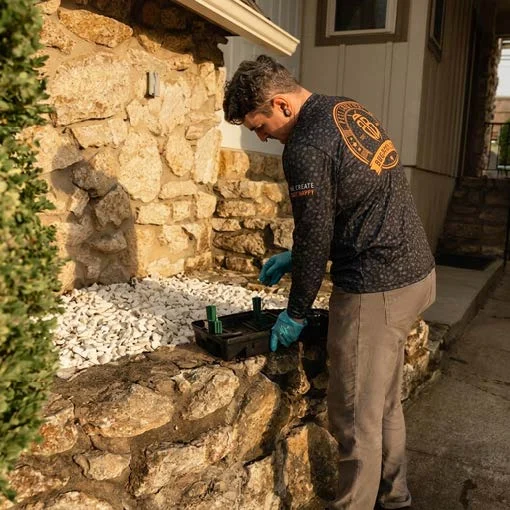
A comfortable home should provide a clean, secure, and well-maintained environment for the people who live there, but unwanted pests can interfere with that comfort in ways that are not always immediately obvious. Insects and rodents can enter through small openings, hide in areas that receive little attention, and gradually establish themselves when conditions provide food, moisture, warmth, or shelter. A pest problem may begin with an occasional sighting, but repeated activity can become more difficult to manage when the underlying causes are ignored. Some pests can contaminate food, damage materials, disturb household routines, or create unpleasant odors, while others may remain hidden until their population has increased significantly. Taking a proactive approach allows homeowners to address potential risks before they become larger concerns. Instead of waiting until pest activity is overwhelming, regular inspections, property maintenance, sanitation, exclusion, and professional treatments can work together to create an environment that is less attractive to unwanted pests.
Understanding Why Household Pests Enter
Pests enter residential properties for many of the same reasons people value a home: shelter, food, water, and protection from changing outdoor conditions. A building can provide warm spaces during colder periods, shaded areas during hot weather, and numerous hiding places throughout walls, cabinets, attics, basements, garages, and storage areas. Even a well-maintained property can occasionally experience pest activity because insects and rodents are capable of taking advantage of extremely small openings. Cracks around foundations, gaps around windows and doors, openings near utility lines, damaged screens, vents, and other structural penetrations can all provide opportunities for pests to enter. Once inside, pests may find additional resources that allow them to remain active. Understanding these factors is important because simply removing visible pests may not prevent new ones from entering or existing populations from returning.Different pests are attracted to different environmental conditions, so homeowners should not assume that one prevention method will address every possible problem. Ants may be attracted to accessible food and moisture, cockroaches may seek warmth and shelter, rodents may look for food and protected nesting areas, while spiders may gather where other insects provide a reliable food source. Termites and other wood-destroying organisms can be influenced by moisture and structural conditions. Because pest behavior varies, identifying the specific type of pest and understanding its habits can make treatment and prevention considerably more effective. A professional evaluation can provide useful insight into what is happening and which conditions may be encouraging activity around the property.
Recognizing Early Signs of Pest Activity
Early detection is one of the most valuable advantages of a proactive pest management strategy. Homeowners may notice visible insects, rodents, droppings, damaged materials, unusual odors, nests, webs, gnaw marks, or unexplained sounds, but not every pest problem produces obvious signs right away. Some pests are primarily active at night, while others remain hidden within walls, cabinets, crawl spaces, attics, or other secluded areas. Finding a single pest does not always mean there is a major infestation, but repeated sightings or multiple signs should not be ignored. Changes in the number or frequency of sightings can provide important information about whether activity is increasing. Paying attention to these details can help homeowners respond while the problem is still more manageable.Certain areas of the home deserve particular attention during routine inspections. Kitchens and pantries can attract pests because of food availability, while bathrooms, laundry rooms, basements, and other damp areas may provide moisture. Garages and storage rooms can offer shelter and undisturbed spaces for nesting. Attics and crawl spaces may remain relatively quiet, making them attractive to rodents and other pests seeking protection. Exterior areas around foundations, doors, windows, landscaping, garbage containers, and outdoor storage can also influence indoor activity. Inspecting these areas periodically can help identify conditions that deserve attention before they contribute to a larger pest problem.
The Connection Between Cleanliness and Pest Prevention
Good sanitation is an important component of pest prevention because many household pests are attracted to accessible sources of food and water. Crumbs, food residue, uncovered garbage, pet food, and improperly stored ingredients can provide resources for insects and rodents. Regular cleaning can reduce these opportunities, particularly in kitchens, dining areas, and food storage spaces. Food should be stored in appropriate sealed containers when practical, and spills should be cleaned rather than left for extended periods. Garbage should also be managed consistently so that it does not become an ongoing food source for pests. These habits cannot guarantee that pests will never enter a home, but they can reduce the environmental conditions that make the property more attractive.Water management is equally important. Leaking faucets, plumbing fixtures, condensation, poor drainage, and other moisture problems can contribute to pest activity by creating reliable sources of water. Homeowners should address leaks promptly and pay attention to areas where moisture regularly accumulates. Exterior drainage should also be maintained so that water does not remain close to the structure unnecessarily. In damp environments, controlling moisture can benefit overall property maintenance while also making conditions less favorable for many unwanted organisms. A clean, dry, and well-maintained environment provides fewer resources for pests to exploit.
Protecting Entry Points Around the Home
Structural exclusion is another important part of long-term pest prevention. Many pests can enter through openings that appear too small to be significant, so homeowners should periodically inspect doors, windows, foundations, vents, utility penetrations, and other potential access points. Damaged screens should be repaired, worn weather stripping should be replaced, and visible cracks or gaps should be evaluated for appropriate sealing. Special attention should be given to locations where different building materials meet because these areas can develop gaps over time as materials expand, contract, settle, or deteriorate. Keeping entry points properly maintained can reduce the number of opportunities available to insects and rodents.Exterior maintenance can further support exclusion efforts. Vegetation should be managed so that branches, vines, and dense growth do not create unnecessary contact with the structure. Leaves and organic debris should not be allowed to accumulate against exterior walls or around foundations for extended periods. Firewood, boxes, and other stored materials should be positioned thoughtfully rather than directly against the building whenever possible. These measures help reduce sheltered areas near the structure and make it easier to inspect for signs of pest activity. When exclusion is combined with sanitation and environmental management, homeowners can create several layers of protection rather than depending on one preventive measure.
Why Professional Evaluation Matters
Professional Residential pest control can provide a more comprehensive approach when pest activity becomes persistent, widespread, or difficult to identify. A trained technician can evaluate both visible signs and conditions that may be contributing to the problem. This can include examining entry points, nesting areas, moisture conditions, food sources, exterior surroundings, and locations where pests may remain hidden. Identifying the cause is important because treating visible pests without addressing the conditions supporting them can lead to recurring activity. Professional service can therefore focus on both immediate management and longer-term prevention.An effective professional approach should be based on the specific circumstances of the property rather than relying on a generic treatment routine. Different pest species behave differently, and a treatment appropriate for one situation may not address another. Technicians can identify the type of pest involved, determine where activity is concentrated, and recommend an appropriate management strategy. Depending on the situation, this may involve targeted treatment, exclusion recommendations, sanitation improvements, monitoring, or follow-up visits. A systematic approach can help homeowners understand what is happening and why particular preventive steps are recommended.
Managing Common Household Pest Problems
Residential properties can experience many different pest concerns, and each requires attention to its particular habits and environmental preferences. Ants may establish trails toward food or moisture, while cockroaches can hide in dark, warm, and protected areas. Rodents may enter through surprisingly small openings and establish nests in attics, walls, garages, or other sheltered spaces. Spiders may become more noticeable where insect populations provide an ongoing food source. Fleas and other pests can be associated with pets, wildlife, carpeting, bedding, or outdoor areas. Because these problems can have different sources, proper identification is an important first step toward effective management.Homeowners should also remember that visible activity may not represent the full extent of a pest problem. Seeing several insects in a kitchen does not necessarily mean the issue is limited to that room, just as finding one rodent does not prove that no others are present. Pests can move through wall voids, plumbing penetrations, attics, crawl spaces, and other concealed pathways. Professional inspection can help determine whether activity is localized or connected to broader conditions. This can prevent homeowners from focusing on symptoms while overlooking the source.
Maintaining Outdoor Areas
The condition of the property surrounding a home can strongly influence indoor pest activity. Overgrown vegetation, standing water, accumulated leaves, organic debris, clutter, and poorly maintained storage areas can provide food, shelter, or breeding opportunities for various pests. Maintaining the yard and exterior areas can therefore complement interior cleaning and exclusion efforts. Outdoor garbage should be managed appropriately, water should not be allowed to remain stagnant unnecessarily, and vegetation should be kept under reasonable control around the structure. Exterior walls, foundations, doors, windows, and other access points should also be checked periodically for changes.Outdoor lighting can sometimes contribute to insect activity near entrances because many flying insects are attracted to light sources. When insects gather around doors and windows, predators such as spiders may also become more common in those areas. Evaluating the placement and necessity of exterior lighting may therefore be worthwhile when pest activity is concentrated around entrances. Combined with properly fitted screens and well-maintained doors, these measures can reduce the opportunities for insects to move indoors. Exterior pest prevention is most effective when it is treated as an extension of indoor property maintenance rather than as a completely separate concern.
The Importance of Routine Monitoring
Pest prevention is more effective when homeowners monitor their property consistently rather than only responding when a major problem becomes obvious. Routine checks can identify new gaps, moisture problems, damaged screens, pest droppings, webs, nests, or other warning signs. Seasonal changes can also influence pest behavior, so activity may increase or shift as outdoor conditions change. Keeping track of where pests have previously appeared can help homeowners identify recurring patterns and focus attention on areas that require additional maintenance. Early action can often prevent small problems from becoming more complicated.Monitoring is particularly useful after repairs, renovations, landscaping projects, or other property changes. Construction activity can create temporary openings or disturb areas where pests were previously hidden. New landscaping can change moisture patterns orprovide additional shelter near the building. Stored materials can also create new hiding places. Paying attention to these changes helps homeowners recognize whether a property modification has unintentionally created conditions that support pest activity. When unusual activity appears, professional evaluation can help determine whether the change is connected to the new conditions.
Creating a Long-Term Pest Prevention Plan
A strong prevention plan combines several complementary practices rather than relying on a single treatment. Sanitation reduces food sources, moisture management limits water availability, structural maintenance reduces entry opportunities, landscaping controls exterior shelter, and professional monitoring helps identify developing concerns. These measures work together to make the property less favorable to unwanted pests. Even when no active infestation is present, maintaining these habits can reduce the likelihood of future problems. Prevention is generally easier when it becomes part of regular home maintenance rather than something addressed only during an emergency.Homeowners can also benefit from understanding that pest management is an ongoing process. Properties change over time, and new cracks, leaks, landscaping conditions, or storage habits can create opportunities that did not previously exist. A successful treatment today does not eliminate the possibility of future activity if conditions later become favorable. Periodic inspection and maintenance can therefore help preserve the results of previous pest management efforts. For homes with a history of recurring pest problems, scheduled professional evaluations may provide an additional layer of protection.
Choosing the Right Professional Service
When professional assistance is needed, homeowners should look for a pest management provider that emphasizes inspection, communication, and a tailored approach. A reliable professional should be willing to explain what was discovered, identify contributing conditions, and describe the recommended management process. Clear communication helps homeowners understand which actions are being taken and what they can do to support long-term prevention. Experience with different types of residential pest problems can also be valuable because household infestations can vary considerably from one property to another.The goal should be more than simply eliminating visible pests for a short period. Effective management should consider why pests appeared, where they are active, what resources they are using, and how future entry or establishment can be reduced. Depending on the circumstances, follow-up inspections may be useful to determine whether activity has declined and whether additional preventive measures are needed. This comprehensive mindset helps transform pest management from a temporary response into an ongoing strategy for maintaining a more comfortable and protected home.
Supporting a More Comfortable Home Environment
A pest-free home is not simply about appearance; it can contribute significantly to overall comfort, cleanliness, and peace of mind for everyone living in the property. Persistent insects, rodents, webs, droppings, unpleasant odors, damaged materials, or other signs of pest activity can make occupants feel uncomfortable in spaces that should otherwise feel safe and well maintained. Even when pests are not constantly visible, their presence in hidden areas such as wall voids, attics, crawl spaces, cabinets, garages, or storage rooms can create ongoing concerns for homeowners. Addressing pest issues early can reduce unnecessary disruption and help protect the condition of the property before activity becomes more difficult to manage. Preventive maintenance also supports the building by reducing the possibility that pest activity will contribute to contamination, material damage, or deterioration over time. Homeowners who notice recurring signs can benefit from a professional evaluation, and reliable residential pest control can provide a more structured approach to identifying the source of the problem, managing existing activity, and reducing the conditions that encourage pests to return. A consistent strategy can therefore provide benefits that extend well beyond immediate pest removal by helping create a cleaner, more comfortable, and better-maintained home environment.
Homeowners should not feel that every occasional insect requires an emergency response, because some pest encounters are simply part of living in a building that remains connected to the outdoor environment. The important distinction is between an isolated occurrence and a recurring pattern that suggests the property may be providing favorable conditions for pests. When sightings become frequent, signs begin appearing in multiple rooms, webs or nests continue returning after cleaning, or pests start appearing at different times of the day, a more detailed evaluation may be appropriate. Repeated activity can sometimes indicate hidden entry points, accessible food sources, moisture problems, cluttered storage areas, or other environmental conditions that are allowing pests to remain active. Understanding when to move from simple observation to professional assistance can help homeowners respond efficiently without allowing a manageable issue to develop into a larger and more disruptive concern. Taking action at the right time can also make it easier to identify the source of pest activity and implement preventive measures before the problem becomes more established. Rather than waiting until pest activity interferes with daily routines, homeowners can use early warning signs as an opportunity to improve property conditions, address vulnerabilities, and maintain a healthier and more comfortable living environment over the long term.
Conclusion
Effective pest prevention begins with understanding that residential pest activity is usually connected to environmental conditions rather than occurring without reason. Food, moisture, shelter, clutter, landscaping, structural openings, and other factors can create opportunities for insects and rodents to enter and remain around a home. By maintaining sanitation, managing moisture, sealing potential entry points, keeping outdoor areas orderly, and monitoring less frequently used spaces, homeowners can reduce many of the conditions that support unwanted pests. When recurring activity develops, professional residential pest control can provide a structured evaluation and targeted management strategy designed around the specific needs of the property.A long-term approach is generally more valuable than repeatedly reacting to individual pest sightings. Professional inspection can identify hidden activity and contributing conditions, while routine homeowner maintenance can help preserve improvements and reduce future opportunities for pests. With consistent attention to both the inside and outside of the property, homeowners can create an environment that is less attractive to unwanted insects and rodents. When concerns become persistent or difficult to identify, timely professional assistance can help prevent the situation from becoming more complicated. Ultimately, residential pest control works best when it is viewed as part of responsible home maintenance, combining professional expertise with practical prevention habits to support a cleaner, more comfortable, and better-protected living environment.