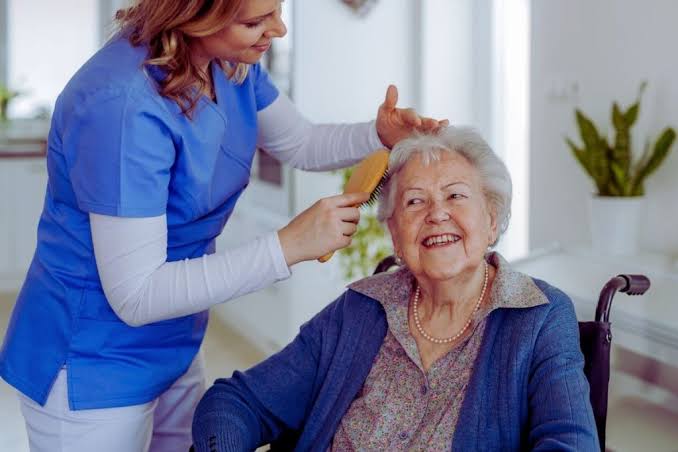
Providing care for another person is both a meaningful responsibility and a demanding role. New caregivers need more than compassion to succeed; they also need practical skills that promote safety, independence, comfort, and trust. From communication and time management to emergency awareness and emotional resilience, developing the right abilities early can help caregivers deliver better support while building confidence in their daily work.
Communication Skills That Build Trust
Clear, respectful communication is one of the most important skills a caregiver can develop. Care recipients may have different communication styles, abilities, preferences, and comfort levels. A caregiver must learn to listen carefully, speak clearly, and adjust their approach based on the person’s needs.
Active listening is especially valuable. Instead of simply waiting for someone to finish speaking, caregivers should pay attention to verbal and nonverbal cues. Facial expressions, tone of voice, posture, and changes in behavior can sometimes communicate concerns that a person has difficulty expressing directly.
Caregivers should also learn how to communicate effectively with family members, healthcare professionals, and other members of a care team. Accurate information sharing helps ensure that everyone understands important changes, concerns, schedules, and care requirements.
Practicing Respectful Communication
Respect should remain at the center of every interaction. Caregivers can promote dignity by addressing people appropriately, explaining what they are doing before assisting, and giving care recipients opportunities to express preferences. Even routine tasks can feel more comfortable when people feel heard and respected.
Safety And Emergency Preparedness
Safety awareness is another foundational skill for new caregivers. Caregivers may assist with mobility, personal care, household activities, medication reminders, and other daily tasks. Understanding common hazards can reduce preventable accidents and create a safer environment.
New caregivers should learn how to recognize potential risks such as slippery floors, poor lighting, cluttered walkways, unstable furniture, and unsafe equipment placement. They should also understand appropriate techniques for assisting with movement and transfers without putting themselves or the care recipient at unnecessary risk.
Emergency preparedness is equally important. Caregivers should know how to respond calmly when an unexpected situation occurs and understand when professional emergency assistance is necessary. Basic first-aid knowledge and appropriate emergency response training can provide valuable preparation.
Knowing When To Ask For Help
Being a capable caregiver does not mean handling every situation independently. Recognizing the limits of one’s training is an essential professional skill. If a care recipient experiences a significant change in condition, an injury, or another concerning event, the caregiver should follow established procedures and seek appropriate assistance promptly.
Time Management And Organization
Caregiving often involves several responsibilities within a single day. A caregiver may need to coordinate appointments, meals, personal care, household tasks, exercise, rest periods, and other activities. Strong organizational skills make it easier to complete responsibilities consistently without becoming overwhelmed.
New caregivers can benefit from learning how to prioritize tasks according to urgency and the care recipient’s needs. Creating a realistic daily routine can help establish structure while still allowing flexibility when unexpected situations arise.
Documentation is another important part of organization. Caregivers may need to record observations, completed tasks, behavior changes, or other relevant information based on workplace requirements. Accurate records can help promote continuity of care and keep the broader care team informed.
Balancing Structure With Flexibility
A schedule provides direction, but caregiving rarely goes exactly according to plan. A care recipient may need additional assistance, an appointment may take longer than expected, or an unexpected concern may arise. Effective caregivers learn to adjust priorities while continuing to focus on safety and essential needs.
Personal Care And Daily Living Support
Many caregivers assist people with activities of daily living. Depending on the individual’s needs and the caregiver’s role, these activities may include bathing, dressing, grooming, toileting, eating, mobility, and maintaining a comfortable living environment.
New caregivers should approach these responsibilities with patience and sensitivity. Personal care can be highly private, particularly for people who previously managed these activities independently. Caregivers should therefore provide appropriate assistance while preserving as much independence and dignity as possible.
Training and supervised practice can help new caregivers become more comfortable with these tasks. For those looking for flexible educational options, caregiver training online in Utah can provide a convenient way to develop foundational knowledge while balancing other responsibilities.
Encouraging Independence
Good caregiving is not always about doing everything for someone. When safe and appropriate, caregivers should encourage care recipients to participate in tasks they can still manage independently. This approach can support confidence, dignity, and a sense of control.
For example, a caregiver might provide assistance with preparing a meal while allowing the care recipient to choose ingredients or complete manageable steps. Small opportunities for participation can make daily routines feel more empowering.
Observation And Problem-Solving Skills
Caregivers spend significant time with the people they support, which means they may notice changes that others do not immediately see. Developing strong observation skills can help caregivers identify changes in mood, appetite, mobility, sleep patterns, communication, or daily behavior.
A change does not necessarily indicate an emergency, but it may be worth documenting and reporting according to the applicable care plan or workplace procedures. Caregivers should avoid making medical diagnoses outside their role. Instead, they should focus on observing accurately, recording relevant information, and communicating concerns to the appropriate person.
Problem-solving skills are also essential because caregiving situations can change quickly. A caregiver may need to determine how to make a routine safer, adjust a schedule, or respond appropriately when a planned activity is no longer practical.
Developing Good Judgment
Effective problem-solving starts with staying calm and considering the available information. Caregivers should identify the immediate concern, consider safety, follow established procedures, and ask for guidance when necessary. Over time, experience and education can help caregivers become more confident in making appropriate decisions within the boundaries of their responsibilities.
Emotional Resilience And Professional Boundaries
Caregiving can be emotionally rewarding, but it can also be challenging. Caregivers may witness frustration, illness, loss of independence, loneliness, or difficult changes in a person’s condition. Developing emotional resilience can help caregivers remain compassionate without becoming overwhelmed by the demands of the role.
Self-awareness is an important part of resilience. New caregivers should recognize signs of stress and understand when they need rest, support, or guidance. Maintaining healthy routines outside of work can also make it easier to sustain energy and focus over time.
Professional boundaries matter as well. Caregivers often develop close relationships with the people they support, but maintaining appropriate boundaries protects both parties. Understanding confidentiality, privacy, personal space, and professional responsibilities helps create a respectful caregiving relationship.
Practicing Compassion Without Losing Balance
Compassion does not require caregivers to ignore their own needs. Setting reasonable boundaries, communicating concerns, taking appropriate breaks, and seeking support can help caregivers maintain a healthier approach to their work. A caregiver who protects their own well-being is often better prepared to provide consistent, attentive care.
Continuing Education And Skill Development
Caregiving skills continue to develop through experience, education, feedback, and reflection. New caregivers should view their first months in the role as an opportunity to build a strong professional foundation rather than expecting themselves to know everything immediately.
Continuing education can help caregivers stay familiar with safe practices, communication strategies, emergency procedures, and other relevant areas. Caregivers should also take advantage of appropriate workplace training, mentoring, and supervised practice whenever available.
Feedback is another valuable learning tool. Constructive guidance from supervisors or experienced professionals can reveal areas for improvement and reinforce skills that are already developing. Keeping an open mind can make the learning process more productive.
Conclusion
Becoming a confident caregiver requires more than learning a list of tasks. Strong communication, safety awareness, organization, personal care skills, observation, problem-solving, emotional resilience, and ongoing education all contribute to quality caregiving. By developing these abilities steadily and recognizing when to seek guidance, new caregivers can provide dependable, respectful support while building a rewarding and sustainable career.