Some products are not difficult to sell because they lack value. They are difficult to sell because people cannot understand that value fast enough.
A product may have a smart internal mechanism. A device may solve a serious workflow problem. A machine may have moving parts that make it more efficient. A consumer product may look simple on the outside, but the real benefit may sit inside the design.
Photos cannot always show that.
Written descriptions help, but they often ask too much from the buyer. The customer has to read, imagine, compare, and connect the dots. Many will not take that much time.
3D product animation gives brands a better way to explain. It shows the product in motion, reveals hidden details, and helps buyers understand what makes the product useful.
Product Animation Turns Features Into Proof
A feature list can sound impressive, but it does not always create understanding.
A buyer may read phrases like improved airflow, compact internal structure, modular design, or advanced safety mechanism. Those phrases may be accurate, but they still feel abstract until the buyer sees them working.
Animation fixes that gap.
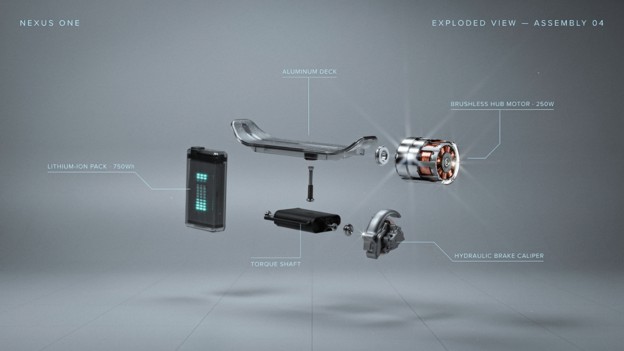
It can show air moving through the product. It can reveal the internal structure. It can show a safety feature activating at the right moment. It can demonstrate how different parts connect and perform together.
This turns a product claim into a visual explanation.
That matters because buyers do not want more words. They want clarity.
3D Animation Shows What Cameras Cannot
Traditional video is useful, but it has limits. A camera can show the outside of a product, but it cannot always show internal parts, microscopic details, hidden movement, or early-stage concepts.
With 3D animation services, brands can control exactly what the viewer sees.
The product can rotate. Outer layers can become transparent. Internal components can be highlighted. A movement can slow down. A part can separate from the product and then return to its place.
This is useful for products that are technical, expensive, new, or hard to explain in person.
Medical devices, electronics, industrial tools, machinery, automotive parts, and engineered products often need this kind of visual explanation.
Strong Product Videos Reduce Buyer Confusion
Confusion is one of the biggest reasons customers delay action.
They may like the product. They may need the product. But if they do not fully understand how it works or why it is different, they hesitate.
Product animation reduces that hesitation.
A short video can answer common buyer questions before a sales call even happens. What does the product do? How does it work? What makes it better than the old way? Where does the value show up?
When buyers can see those answers, the product feels easier to trust.
This is especially important for online sales, where customers cannot hold the product, inspect it, or ask questions in person.
Product Launches Need Clear Visual Stories
A product launch is not just about announcing something new. It is about making the audience understand why the product matters.
A strong launch animation can follow a simple path.
First, show the problem. Then introduce the product. Next, demonstrate the key feature. Finally, show the benefit.
That structure works because it does not bury the viewer in details. It gives them the core idea first.
This is one reason brands use 3D product animation services for launch videos, investor presentations, trade show screens, crowdfunding campaigns, and product landing pages.
Animation can also be created before the final physical product is ready, using CAD files, prototypes, models, or design references.
Sales Teams Can Explain Products Faster
Sales teams often repeat the same explanation over and over. That becomes difficult when the product has several moving parts or technical features.
An animated product video makes the conversation easier.
Instead of explaining every detail verbally, a salesperson can show the product working on screen. The video gives buyers a clear starting point. After that, the sales conversation can focus on needs, objections, pricing, timelines, or technical questions.
It also keeps the message consistent.
Every salesperson can use the same visual explanation, which helps avoid confusion and keeps the product story sharp.
Animation Works Across Multiple Marketing Channels
One product animation can support more than one platform.
A full video can be used on a product page or landing page. Shorter clips can be used for social media ads. A feature-focused cut can support an email campaign. A product reveal can be used at a trade show or inside a pitch deck.
This gives brands more value from one production.
It also keeps the message consistent across the buyer journey. Whether someone sees the product on a website, in an ad, or during a sales call, the explanation feels connected.
That consistency makes the brand feel more organized and easier to trust.
The Best Product Animations Stay Focused
Trying to show everything usually weakens the video.
Brands often want to include every feature, every angle, every benefit, and every use case. That creates a crowded video that viewers struggle to remember.
A better approach is to choose one main message.
The video may explain how the product works. It may show one important feature. It may support a launch. It may help buyers understand why the product is different.
Once that goal is clear, every scene should support it.
If a detail does not help the viewer understand the main point, it can go into a spec sheet, brochure, demo, or follow-up presentation.
Clear Animation Beats Flashy Animation
Product animation does not need to be loud to work.
In many cases, clean visuals are more persuasive than dramatic effects. The product should stay at the center. Camera movement, lighting, labels, and transitions should guide the viewer without distracting from the message.
Good animation feels polished, but it also feels useful.
The viewer should finish the video with a better understanding of the product, not just a vague memory that it looked nice.
That is the real purpose of product animation. It helps people understand what they are buying.
Product Animation Builds Confidence Before the Sale
A clear product video can make buyers feel more prepared before they speak to a sales team or make a purchase.
They already understand the product’s purpose. They have seen the main feature. They know how the product solves a problem.
That confidence changes the quality of the conversation.
Instead of asking basic questions, buyers can ask better ones. Instead of needing a full explanation from scratch, they can move closer to decision-making.
For technical products, that can save time and improve the sales process.
Conclusion
3D product animation helps brands explain complex products with more clarity and control. It can show hidden details, demonstrate movement, support launches, and make sales conversations easier. When photos, copy, and live-action video cannot fully explain the product, animation gives buyers a clearer way to understand the value. For brands selling technical or high-value products, that clarity can make the difference between hesitation and real interest.
Frequently Asked Questions
What Is 3D Product Animation?
3D product animation is a video format that uses three-dimensional visuals to show how a product looks, moves, works, or solves a problem.
Why Do Brands Use Product Animation?
Brands use product animation to explain product features clearly, show hidden details, and help buyers understand value faster.
Can Product Animation Be Used Before Manufacturing?
Yes. Product animation can be created from CAD files, product models, prototypes, or design references before final manufacturing is complete.
Which Products Benefit Most From 3D Animation?
Medical devices, machinery, electronics, industrial tools, automotive parts, and technical consumer products often benefit the most.
How Long Should a Product Animation Video Be?
Most product animation videos work best between 60 and 120 seconds, depending on product complexity and where the video will be used.