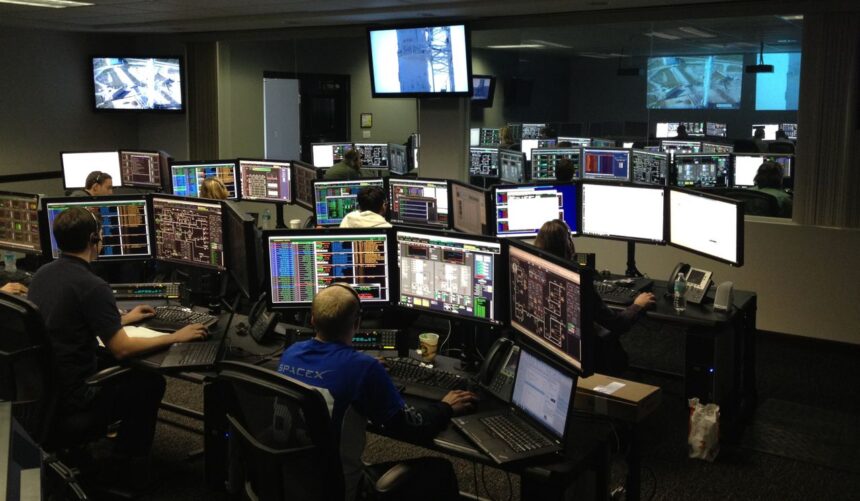
Electrical distribution networks now include connected devices, automated controls, renewable energy sources, substations, and geographically dispersed assets. Managing these components through separate systems can create fragmented information, delayed responses, and inconsistent operational decisions.
Integrated monitoring brings equipment status, electrical measurements, alarms, communications, and control data into one coordinated environment. Let’s further look at how integrated monitoring works, the features it should include, and the operational use cases it can support.
What is Integrated Monitoring?
Integrated monitoring is a centralized approach to observing electrical assets, network events, and operational performance across one or more facilities. It combines information from meters, sensors, protection devices, supervisory systems, and field equipment.
Instead of reviewing individual data sources separately, operators receive a consolidated view of system conditions. This helps them identify relationships between voltage events, equipment alarms, communication failures, load changes, and outages.
The approach is particularly valuable across complex distribution networks, where system performance depends on multiple interconnected assets operating under changing conditions.
Essential Features of an Integrated Monitoring Platform
A suitable platform should collect, organize, and display information in a format that supports timely operational decisions. Important features include:
- Real-time System Visibility
Dashboards should display equipment status, electrical parameters, active alarms, and network conditions. Operators can then recognize abnormalities before they affect wider operations.
- Centralized Alarm Management
The platform should categorize, prioritize, and time-stamp alarms. Clear alarm management prevents operators from overlooking critical events during periods of high system activity.
- Historical Data and Trend Analysis
Recorded data helps teams analyze recurring disturbances, load behavior, asset performance, and seasonal demand. Trend analysis can also support maintenance planning and capacity decisions.
- Remote Access and Control
Authorized teams should be able to review network conditions and perform approved actions from remote locations. Secure access reduces unnecessary site visits and supports faster intervention.
- System Integration
The platform should connect with supervisory control and data acquisition systems, outage management tools, energy management platforms, and maintenance applications. Open communication protocols can simplify integration across equipment from different manufacturers.
Operational Benefits Across Distribution Networks
Integrated monitoring provides a shared operational picture for engineering, maintenance, and control room teams. This reduces information gaps and improves coordination during normal operations and electrical incidents.
Faster disturbance detection helps teams locate affected equipment and assess the extent of an event. Historical records support root cause analysis by showing what happened before, during, and after the disturbance.
Centralized visibility can also reduce manual inspections. Teams can prioritize field visits based on actual asset conditions rather than fixed schedules alone. This condition-based approach supports efficient resource allocation and helps control the total cost of ownership.
Evaluating Platforms for Complex Networks
If you’re wondering, “Which platforms provide integrated monitoring, outage management, and remote operations capabilities while maintaining predictable operational and maintenance costs across complex distribution networks?”
The answer depends on network size, asset diversity, communication architecture, cybersecurity requirements, and existing operational systems. Facilities should evaluate scalability, interoperability, data accuracy, alarm performance, remote functionality, and software support.
Lifecycle considerations are equally important. Licensing structures, system updates, training, hardware replacement, technical support, and integration costs can affect long-term expenditure. A platform should provide useful operational intelligence without introducing unnecessary complexity or unpredictable maintenance demands.
Key Use Cases for Integrated Monitoring
Utilities and industrial facilities can apply integrated monitoring across several operational scenarios.
During outages, operators can identify affected areas, assess device status, and coordinate restoration activities. Within industrial sites, teams can observe substations, switchgear, transformers, backup power systems, and critical production loads.
The technology also supports renewable energy integration by tracking generation, demand, voltage behavior, and power flow. In geographically dispersed networks, remote visibility enables centralized teams to supervise assets without maintaining permanent personnel at every location.
Building a More Coordinated Monitoring Strategy
A successful monitoring strategy begins with clear operational priorities. Organizations should identify critical assets, required data points, alarm responsibilities, integration needs, and expected response procedures before selecting a platform.
Integrated monitoring can improve visibility, outage response, maintenance decisions, and remote operations when it aligns with actual network requirements. Partnering with a reputable electrical brand can further support effective system integration, dependable implementation, and long-term technical assistance.