Expanding healthcare services is an exciting milestone, but it also comes with important financial decisions. Whether you’re opening a new location, adding diagnostic capabilities, or meeting growing patient demand, every investment needs to balance immediate needs with long-term sustainability. For many healthcare providers, growth is not just about ambition. It is also about timing, budget, and choosing solutions that support high-quality care without putting unnecessary strain on finances. One option worth considering is medical equipment leasing, which allows practices to access advanced technology while preserving capital for other priorities. It may not be the most attention-grabbing strategy, but it can be a practical way to expand services without overextending your budget.
Why Flexibility Matters
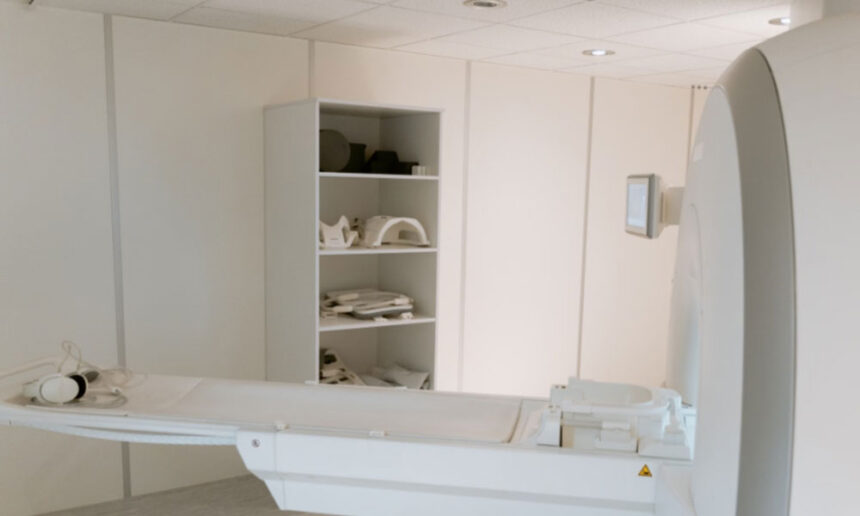
When your practice is growing, flexibility can be just as valuable as funding. You may know patients need more advanced imaging options, but purchasing specialized equipment outright is not always the most practical investment. That’s why many healthcare providers consider nuclear medicine equipment leasing as a way to expand their diagnostic capabilities without making a large upfront capital commitment.
Leasing allows clinics to add specialized imaging technology while preserving cash flow and maintaining financial flexibility. That can be especially valuable when you’re expanding services, responding to growing patient demand, or evaluating the long-term need for new equipment. It also makes it easier to upgrade as technology evolves, reducing the risk of being tied to a system that no longer meets your practice’s needs. In healthcare, patient volumes, referral patterns, and clinical priorities can all change over time, so having that flexibility can make planning much easier.
Big Costs, Small Budgets
Medical imaging equipment is expensive, and that is before you even plug it in. The machine itself is only part of the bill. You also have to think about installation, software, maintenance, staff training, and sometimes even room modifications. Suddenly, what looked like one big purchase starts multiplying like rabbits with clipboards.
For smaller practices and growing outpatient centers, those costs can create real hesitation. Even if the long-term demand seems promising, tying up a big chunk of capital in one purchase can limit what else you can do. You might delay hiring, hold off on marketing, or postpone other upgrades patients would notice right away.
That is why some providers pause before buying. It is not always about avoiding investment. Often, it is about protecting cash flow and leaving room for everyday operating needs. A smart healthcare business has to think beyond the sticker price.
When Leasing Makes Sense
Leasing is especially useful when you are not fully ready to make a forever decision. Maybe your practice wants to add imaging, but you need to see whether local demand will actually support it. Maybe your current equipment is aging, but you are not ready to commit to a replacement purchase just yet.
It can also make sense if you are opening a new location. New offices come with enough surprises already. Leasing lets you move forward without piling every major cost into the same season. The same goes for practices seeing steady growth. If referrals are climbing, leasing can help you respond faster instead of waiting until capital frees up.
There is also the issue of changing technology. Buying too early or too heavily can leave you stuck with equipment that no longer fits your workflow. Leasing gives you a bit more adaptability, which is sometimes the most valuable feature of all.
Better Access For Patients
Patients do not usually think about how equipment is financed, and honestly, they should not have to. What they notice is whether care feels easy to access. If your clinic can offer more imaging services on-site or nearby, that can make a real difference in their experience.
Shorter wait times are a big benefit. So is avoiding an extra trip across town to another facility. For older adults, busy parents, and patients juggling multiple appointments, convenience matters more than people sometimes realize. When services stay local, follow-up care can also move along faster.
From the clinic side, better access can strengthen patient trust. People appreciate it when care feels connected and less fragmented. They do not want a scavenger hunt disguised as a treatment plan. If leasing helps a practice bring in needed imaging sooner, patients may feel the impact long before they ever learn how the business side works.
Questions Worth Asking
Before signing any lease, it helps to slow down and ask the kind of questions that save headaches later. A deal that looks affordable on paper may come with limits that are less charming up close.
A few practical questions to ask include:
- How long is the lease term?
- What does the monthly cost actually include?
- Is maintenance or service support part of the agreement?
- Can you upgrade equipment later if needs change?
- Is the system new, refurbished, or previously used?
- What happens at the end of the lease?
You should also think about workflow. Will your staff need extra training? Is the machine a good fit for your patient volume? Can your space handle it without major renovation? The best lease is not just the cheapest one. It is the one that supports your goals without creating surprise costs that pop up like unwelcome party guests.
Planning For Long-Term Growth
Leasing works best when it is part of a bigger plan, not just a quick fix. If your practice wants to grow steadily, you need to balance today’s needs with tomorrow’s options. That means thinking about patient demand, referral patterns, staffing, and how much financial risk makes sense right now.
For some clinics, leasing creates a bridge between where they are and where they want to go. It can help them expand services, improve patient access, and preserve working capital for other priorities. That does not mean leasing is always the right answer, but it can be a very sensible one.
Growth in healthcare is rarely about one bold move. More often, it comes from a series of thoughtful choices that support both care quality and business stability. If leasing helps you stay flexible while serving patients better, that is not just a financial strategy. It is good planning with a pulse.