A roof is one of the most important protective elements of any building because it shields the interior from weather conditions, improves energy efficiency, and contributes to the overall appearance of a property. Among the many roofing options available today, shingle roofing remains one of the most widely selected choices for residential and commercial properties. Its popularity comes from a combination of affordability, design flexibility, durability, and relatively simple maintenance requirements.
A properly designed and professionally installed roofing system can provide years of dependable protection against rain, wind, sunlight, and changing temperatures. However, the performance of any roof depends on several factors, including material quality, installation methods, ventilation, and regular upkeep. Understanding how shingle roofing works, its advantages, common issues, and maintenance requirements helps property owners make informed decisions when investing in a new roof or replacing an existing one.
Understanding the Basics of Shingle Roofing
Shingles are individual roofing materials installed in overlapping layers to create a protective surface over a building. This layered design helps direct water away from the structure while providing resistance against environmental exposure. Shingles are available in different materials, styles, colors, and textures, allowing property owners to choose an option that matches both functional requirements and aesthetic preferences.
The most common type is asphalt shingles, which are widely used because they offer a practical balance between cost and performance. They are manufactured with a fiberglass base coated with asphalt and protective mineral granules that improve durability and resistance to weather conditions.
Other types of shingles include wood, slate, metal, and composite options. Each material offers unique characteristics in terms of appearance, lifespan, maintenance needs, and price. Selecting the right option depends on factors such as building design, climate conditions, budget, and long-term expectations.A well-installed shingle roofing system provides a reliable barrier against moisture while enhancing the visual appeal of a property.
Why Many Property Owners Choose Shingle Roofs
One of the main reasons shingles remain popular is their versatility. They are available in a wide range of colors and designs, making it easier for homeowners to achieve a specific architectural style. Whether a property has a traditional, modern, or rustic appearance, there are shingle options that can complement the overall design.
Affordability is another major advantage. Compared with some premium roofing materials, shingles often provide excellent value while still offering strong performance. This makes them accessible for many property owners who want reliable protection without excessive upfront costs.
Shingles are also relatively easy to repair and replace. If a small section becomes damaged, individual shingles can often be replaced without removing the entire roof. This repair flexibility can help reduce long-term maintenance expenses.Another benefit is installation efficiency. Experienced roofing professionals can install shingle systems effectively because the materials are widely available and compatible with many building designs.
Different Types of Roofing Shingles
Choosing the right type of shingle requires understanding the differences between available options. Each material offers specific advantages depending on the needs of the property.
Asphalt Shingles
Asphalt shingles are the most common choice because they provide durability, affordability, and design flexibility. They are available in various styles, including traditional three-tab shingles and architectural shingles that create a more dimensional appearance.
Architectural shingles are often preferred because they provide improved visual appeal and enhanced durability compared with basic options. Their layered design creates a stronger appearance while adding depth and texture to the roof.
Wood Shingles
Wood shingles offer a natural appearance that creates warmth and character. They are often chosen for properties where aesthetics are a major priority. However, they typically require more maintenance than asphalt options and may not be suitable for every environment.
Slate and Composite Shingles
Slate shingles provide a premium appearance and exceptional durability. Composite alternatives can replicate the appearance of natural materials while offering lighter weight and easier installation.
The best choice depends on balancing appearance, performance, maintenance expectations, and investment goals.
The Importance of Professional Roof Installation
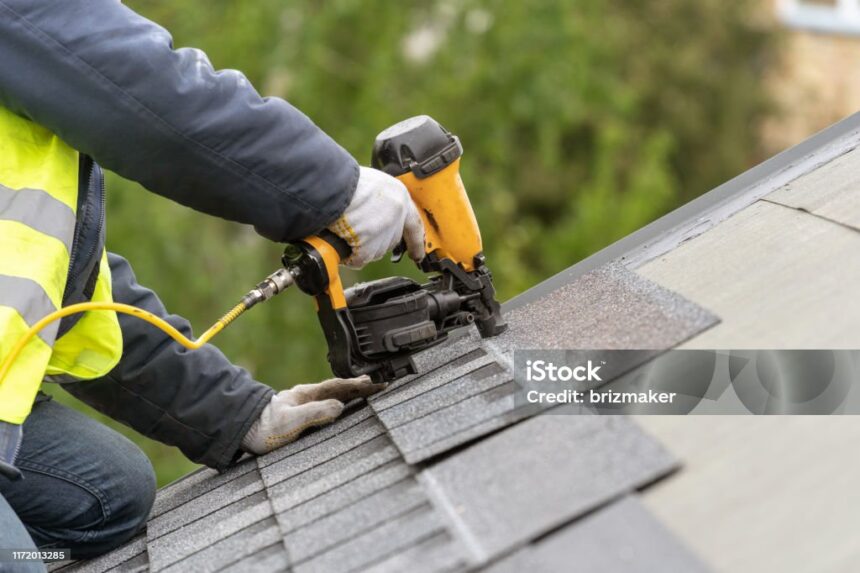
Even the highest-quality roofing materials cannot perform properly without correct installation. Roofing installation involves precise measurements, proper alignment, secure fastening, and careful attention to areas where water infiltration is most likely.
Before installing new shingles, professionals inspect the existing roof structure to determine whether repairs are needed. Damaged decking, poor ventilation, or moisture problems should be corrected before new materials are installed.
A proper installation includes applying underlayment, installing flashing around vulnerable areas, ensuring correct shingle overlap, and creating effective water drainage pathways. These steps protect the building from leaks and extend the lifespan of the roofing system.Professional shingle roofing installation also ensures that manufacturers’ guidelines are followed, which can be important for maintaining material warranties and achieving expected performance.
Signs That a Shingle Roof Needs Attention
Regular inspections help identify roofing problems before they become major concerns. One common warning sign is missing or damaged shingles. Strong winds, storms, and aging can loosen shingles or cause them to crack and break.
Curling or lifting shingles may indicate that materials are reaching the end of their useful life. When shingles no longer lie flat against the roof surface, they become less effective at protecting the structure.
Granule loss is another sign of deterioration. Asphalt shingles contain protective granules that help resist sunlight and weather exposure. Excessive loss of these granules can reduce the roof’s ability to perform effectively.Water stains on ceilings or walls may indicate hidden roofing problems. Moisture intrusion should be addressed quickly because prolonged exposure can damage insulation, drywall, and structural components.
Routine maintenance plays an important role in extending roof performance. Regular inspections allow property owners to identify small issues before they require major repairs.Keeping gutters clean is essential because blocked drainage systems can cause water to collect on the roof. Proper water flow prevents moisture damage and protects roofing materials from unnecessary stress.
Removing leaves, branches, and debris from the roof surface also helps maintain proper drainage. Organic materials can trap moisture and contribute to deterioration over time.
Ventilation is another important factor. Proper airflow in the attic helps regulate temperature and moisture levels, reducing the risk of premature roof damage.Professional inspections after severe weather events are recommended because some damage may not be immediately visible. Early detection allows repairs to be completed before problems worsen.
Improving Energy Efficiency with Roofing Upgrades
A well-maintained roof contributes to better indoor comfort and energy efficiency. Proper insulation, ventilation, and quality roofing materials help regulate indoor temperatures by reducing heat transfer.
Some modern shingles are designed with reflective properties that help reduce heat absorption. These options can be beneficial in warmer climates where excessive heat buildup affects indoor temperatures.
Energy efficiency improvements can lower heating and cooling demands, potentially reducing utility expenses. A properly functioning roof supports a more comfortable indoor environment throughout the year.One common mistake property owners make is delaying repairs after noticing early warning signs. Small issues can quickly become more serious when moisture enters the structure.
Choosing roofing materials based only on price can also create problems. Lower-cost options may not always provide the durability or performance needed for long-term protection.
Poor ventilation is another frequent concern. Without proper airflow, moisture and heat can accumulate in the attic, reducing roof lifespan and affecting indoor comfort.Hiring inexperienced installers can lead to improper fastening, alignment problems, and leaks. Selecting skilled professionals helps ensure that the roofing system performs as intended.
Conclusion
A properly installed and maintained roof provides numerous long-term benefits. It protects the building structure, improves appearance, and reduces the need for frequent repairs.Quality roofing can also increase property value. A well-maintained roof gives potential buyers confidence that the property has been properly cared for and is protected against future issues.
Although roofing requires an investment, the benefits extend far beyond appearance. Reliable protection, improved efficiency, and reduced maintenance needs make a quality roofing system a valuable improvement.Shingle roofing continues to be a popular choice because it combines affordability, durability, and design flexibility. With a wide variety of materials and styles available, property owners can select a roofing solution that matches their needs while enhancing the appearance of their buildings.
A professionally installed and properly maintained roof provides dependable protection against weather conditions while improving long-term property performance. Investing in quality materials, expert installation, and regular maintenance ensures that a shingle roof remains strong, attractive, and functional for many years.
By understanding the advantages, installation process, and care requirements of shingle roofing, property owners can make confident decisions that protect their investments and create safer, more comfortable buildings.