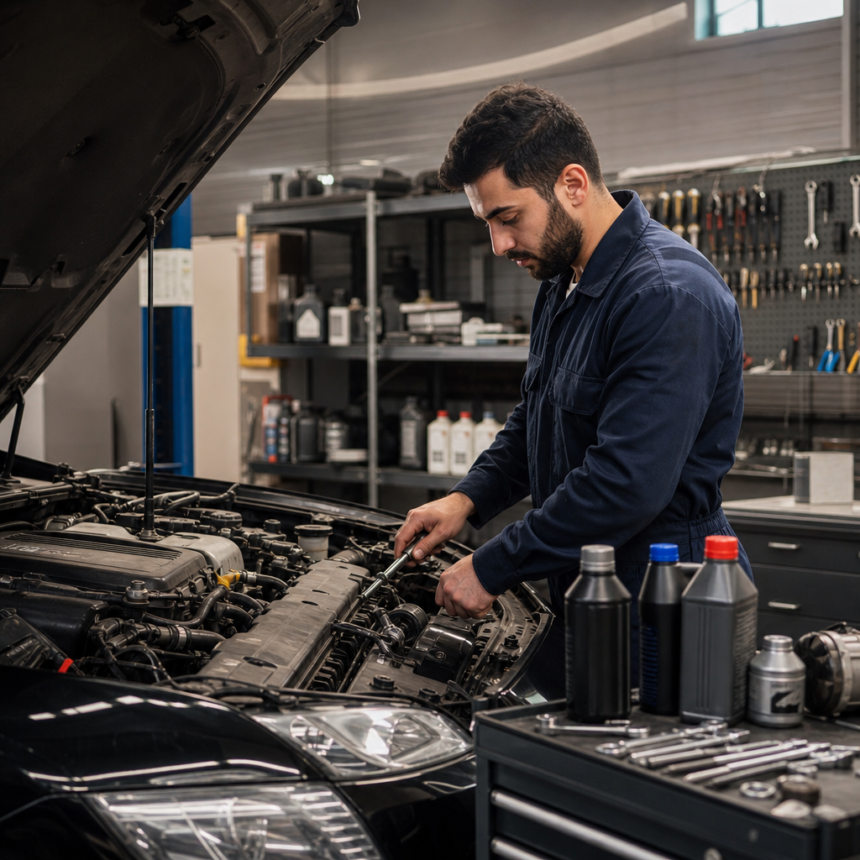
There was a time when working on your own vehicle meant wrestling with inadequate tools, mystery fluids, and a garage floor that looked like an oil painting gone wrong. Today, the DIY auto repair landscape has shifted dramatically. Hobbyists and seasoned mechanics alike are discovering that the right supplies — paired with access to quality industrial products — can transform a messy, frustrating experience into something genuinely satisfying. Whether you’re pulling an engine or simply changing brake pads, the foundation of a successful repair job starts long before you pick up a wrench.
Why Garage Preparation Matters More Than Most Realize
Most DIY mechanics focus almost entirely on the mechanical task at hand — the part being replaced, the torque spec to hit, the fluid to drain. What often gets overlooked is the environment in which that work takes place. A poorly organized, under-supplied garage doesn’t just slow you down; it actively increases the risk of mistakes. Contaminated work surfaces, inadequate lighting, and the wrong absorbents can turn a routine job into a costly disaster.
Garage preparation is a discipline in itself. Experienced mechanics know that having the right absorbent materials, surface protectors, and containment products on hand before a job begins is just as important as having the correct socket set. This is especially true when dealing with older vehicles, which tend to leak more fluids and require more careful handling of hazardous materials like used motor oil, transmission fluid, and coolant.
The Role of Absorbents and Containment Products
One of the most underappreciated categories of garage supplies is fluid management. Spills are inevitable in any repair environment, but how you handle them determines whether your workspace remains functional and safe. Granular absorbents, oil-dry compounds, and absorbent pads each serve different purposes. Granular products are excellent for large spills on concrete, while absorbent pads are better suited for drip containment under vehicles during extended projects. If you’re looking to upgrade your garage setup with products that actually perform, exploring a curated guide to DIY garage supplies can help you identify the right tools for cleaner, more efficient repairs.
Understanding the Connection Between Quality Supplies and Better Repairs
There’s a direct relationship between the quality of your supplies and the quality of your repair outcomes. This isn’t just about premium tools — it extends to the consumables and industrial products that support the work. Rags, solvents, lubricants, and protective coatings all play a role in how cleanly and effectively a repair is completed. Using low-grade materials in these supporting roles can compromise even the most technically skilled work.
Consider engine cleaning as an example. A thorough degreasing job before any engine work allows you to see exactly what you’re dealing with — cracks, leaks, and worn components become visible rather than hidden beneath layers of grime. The right degreaser, applied correctly and rinsed with appropriate containment, makes the entire diagnostic and repair process more accurate. This is where sourcing from reputable industrial suppliers becomes genuinely valuable rather than just a preference.
Industrial Suppliers as Partners in DIY Success
The DIY community has historically relied on big-box retail stores for supplies, but there’s a growing recognition that industrial distributors offer something those stores simply can’t: depth of product knowledge and access to professional-grade materials. When you’re working on a vehicle with specific fluid requirements or unusual material tolerances, having access to a supplier who understands those nuances is invaluable. Goldfarb Inc is one such distributor, offering a broad range of industrial and maintenance products that serve both professional shops and serious DIY enthusiasts who refuse to compromise on quality.
Revisiting Engine Design: What History Can Teach Modern Mechanics
Part of what makes automotive repair so compelling is the history embedded in every engine. The mechanical ingenuity that went into early engine designs — many of which were abandoned not because they failed, but because manufacturing economics shifted — is a reminder that innovation doesn’t always follow a straight line. Some of those abandoned concepts are now being reconsidered as engineers look for new ways to improve efficiency and reduce emissions.
For the DIY mechanic, understanding engine history isn’t just an intellectual exercise. It informs how you approach older vehicles, how you diagnose unusual problems, and how you appreciate the engineering decisions that shaped the car sitting in your garage. A deep dive into abandoned engine designs worth reconsidering reveals just how much creative thinking has gone into solving the fundamental challenges of internal combustion — and how some of those solutions may yet find their moment.
Applying Historical Lessons to Modern Maintenance
Understanding why certain engine configurations were designed the way they were helps mechanics anticipate failure points and maintenance needs. An opposed-piston engine, for instance, has very different lubrication requirements than a conventional inline configuration. A rotary engine demands a completely different approach to seals and cooling. When you understand the design intent, you’re better equipped to maintain the system correctly — and to source the right products for the job.
This is where the intersection of historical knowledge and quality supply sourcing becomes particularly powerful. Knowing what a system needs is only half the equation; being able to actually obtain the right materials is the other half. For mechanics working on unusual or vintage powerplants, access to a well-stocked industrial supplier can make the difference between a successful restoration and a project that stalls indefinitely.
Goldfarb Inc: A Supplier Built for Serious Work
In any skilled trade, the quality of your supply chain reflects the quality of your work. Goldfarb Inc has built a reputation as a reliable source for industrial maintenance products, offering everything from absorbents and lubricants to safety supplies and facility maintenance materials. Their catalog is designed to serve professionals who need consistent, dependable products — not consumer-grade substitutes that fall short under real working conditions. For DIY mechanics who take their craft seriously, this kind of supplier relationship elevates the entire repair experience.
What sets a distributor like Goldfarb Inc apart is not just product availability, but the understanding that different applications require different solutions. A one-size-fits-all approach to industrial supplies is rarely adequate in a garage environment where conditions vary widely from job to job. Having access to a supplier with genuine product depth means you can match the right material to the right task every time.
Conclusion: Building a Better Garage from the Ground Up
The modern DIY mechanic operates at the intersection of tradition and innovation. The skills passed down through generations of hands-on repair work are now supported by better products, better information, and better supply chains than ever before. Whether you’re refreshing a classic engine, tackling a modern drivetrain, or simply trying to keep your workspace cleaner and safer, the choices you make about your supplies matter as much as the choices you make about your technique.
Investing in quality garage supplies, understanding the engineering history behind the vehicles you work on, and building relationships with reputable industrial distributors are not separate pursuits — they are complementary pillars of a serious repair practice. When all three come together, the garage stops being a place where things go wrong and becomes a place where things get done right.