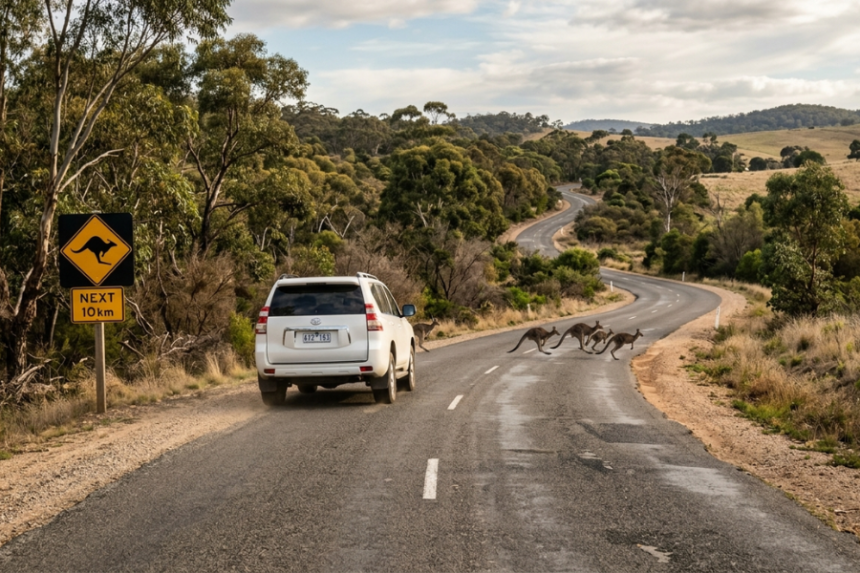
Are you one of those who assume country roads don’t have much traffic, so it’s easier to drive there? Compared to busy suburban streets, country roads are definitely quieter. However, they do come with their own set of challenges. One second you’re driving carelessly and the next second there’d be a wandering kangaroo on the road, or a blind crest, loose gravel, or a slow-moving tractor appearing suddenly. You might not get much time to react with their sudden appearance, increasing the risk of accidents.
Unlike city roads, country roads often have higher speed limits, fewer streetlights, and longer distances between towns. That means good observation, careful planning, and sensible driving become even more important. It’s the reason why most Sydney driving school focus on ensuring you master these skills in their driving lessons. Whether you’re heading away for the weekend or simply travelling through rural areas, knowing what to expect can help keep you and your passengers safe.
Quiet Roads Can Still Be Dangerous
One of the biggest mistakes drivers make on country roads is becoming too comfortable. When you don’t see many cars around, you might think of relaxing your concentration or driving a little faster than the conditions require. You might not think it as particularly risky but country roads are often less forgiving. When driving on country roads, you might encounter fewer barriers and narrower lanes. So, there’s little room for error if you need to avoid an unexpected hazard. Staying alert, even when the road seems empty, is one of the best ways to reduce your risk.
Be Prepared for Changing Road Conditions
In country areas, road surfaces can change quickly. You might be driving on smooth sealed roads one moment, only to encounter loose gravel, potholes, uneven surfaces, or narrow sections around the next bend. So, you need to be careful and alert while you’re driving. If you enter a gravel section too quickly, your steering feels different, or your tyres are losing some grip, you might end up in an accident. The best approach is to slow down before these changes so you have much better control of the your vehicle to reduce the chance of skidding.
Watch for Wildlife, Especially at Dawn and Dusk
Wildlife is one of the most common hazards on country roads. Kangaroos, wombats, livestock, and other animals can suddenly cross in front of your vehicle, particularly during the early morning and evening when they’re most active.
If you spot one animal near the roadside, slow down and stay alert. Animals often travel in groups, so another may follow. If a collision seems unavoidable, brake firmly while maintaining control of the vehicle rather than making a sudden swerve, which could lead to a more serious crash.
Slow Down When Visibility Is Limited
Another common factor in country roads is low visibility. These roads often have blind corners, hills, and long stretches where there are no street lights. You may not be able to see what’s waiting on the other side of a bend or over the crest of a hill.
So, when you’re driving in such areas, reduce your speed. It will give you more time to react if another vehicle, cyclist, animal, or farm machine appears unexpectedly. Use your headlights correctly at night and stop within the distance you can see.
Expect Slow-Moving Vehicles
Unlike city roads, you have to often share country roads with tractors, harvesters, livestock trucks, and other agricultural machinery. These vehicles often travel well below the speed limit and may be wider than a standard lane. Instead of becoming impatient, you should wait until it’s safe and legal to overtake. A few extra minutes is a small price to pay for everyone’s safety.
Weather Can Change Driving Conditions Quickly
You might not realise how much weather affects driving conditions on the road until you’re facing one. Rain, fog, and strong winds can have a much bigger impact on country roads than you might expect. In rains, the road surfaces may become slippery, especially after long dry periods. Fog can reduce visibility, making it harder to spot hazards ahead, while strong crosswinds can affect vehicle stability on open roads. Instead of relying solely on the posted speed limit, the best thing you can do here is adjust your speed to suit the conditions.
Plan Ahead and Take Regular Breaks
If you’re going on a trip in the countryside, you’ll find longer distances between towns and service stations. Now, you don’t want to get stuck somewhere without the required necessities and no way to get help. So, before setting off, plan your trip such that you know where you can stop for fuel, food, or assistance if needed.also, remember to check the weather forecast and stay aware of the nearest hospitals or emergency services along your route.
Long drives can also lead to fatigue, even if traffic is light. So, take regular breaks, stretch your legs, and swap drivers where possible. It can help you stay alert throughout the journey.
Final Thoughts
Driving on country roads isn’t necessarily more difficult than driving in the city, but it does require a different mindset. Staying alert, adjusting your speed to suit the conditions, and expecting the unexpected can make every trip much safer.
Whether you’re taking a driving lessons, completing a Safer Drivers Course, or building your confidence with a trusted Sydney Driving School, learning how to handle different driving environments is an important part of becoming a safe driver. At Onroad Driving School, we help learners develop the practical skills and awareness needed to stay safe on both city streets and country roads.