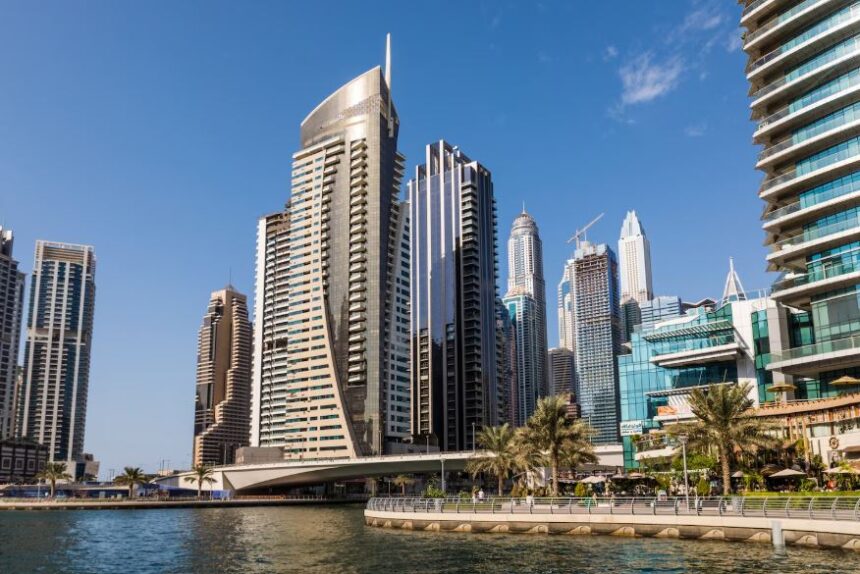
IFZA and RAKEZ are both established UAE free zones, but they serve businesses with different priorities. IFZA is based in Dubai and offers professional, commercial, and service-focused licensing options, while RAKEZ in Ras Al Khaimah provides a wider operational environment that includes offices, warehouses, and industrial facilities.
The better choice depends on where your business needs to operate, the activities you plan to conduct, the facilities you require, and your plans.
Key Differences Between IFZA vs RAKEZ Free Zone
1. Location and Business Address
Location can influence how you present your business and how convenient it is to reach clients, suppliers, and partners. IFZA is located in Dubai, making it relevant for businesses that want a Dubai-based free zone address.
RAKEZ Free Zone is based in Ras Al Khaimah and offers access to an economic zone with commercial and industrial infrastructure. For businesses that do not need a Dubai address, its location can be suitable for trading, manufacturing, and operational activities.
2. Business Activities
Your proposed activity should be one of the first factors you compare. IFZA Free Zone offers professional and commercial licences and allows businesses to combine multiple approved activities under one licence, subject to the applicable rules and approvals.
RAKEZ covers a broad range of sectors, including commercial, educational, e-commerce, general trading, industrial, media, professional and service activities. It also supports businesses across sectors such as manufacturing, technology, healthcare, aviation and logistics.
3. Office, Warehouse and Facility Requirements
The facilities you need can make a difference to your choice. IFZA is particularly suitable for businesses that primarily need office or workspace arrangements rather than industrial premises.
RAKEZ has a broader range of facilities, including flexi facilities, standard and executive offices, warehouses and land for development. This can make it more suitable for businesses that need physical space for stock, production, logistics or other operational requirements.
4. Visa and Office Requirements
Visa requirements should be considered alongside your facility needs. IFZA allows businesses to select visa packages and office solutions according to their requirements. RAKEZ provides investor, partner, employee, and dependent visa services, while its facility options can also determine the number of visas available. Its serviced offices, for example, provide visa eligibility linked to the number of desks leased.
This means your headcount and workspace requirements should be considered before selecting either free zone.
5. Setup Cost
Cost should be assessed based on your business setup rather than the licence fee alone. Your final expenses can depend on the licence type, number of activities, visa requirements, office or facility arrangement, and any additional approvals your activity requires.
IFZA can be attractive for businesses seeking a Dubai setup without requiring extensive physical facilities. RAKEZ may be worth considering where the business needs a facility arrangement, particularly for trading, storage or industrial operations.
6. Business Growth and Expansion
Your long-term plans should also influence the decision. IFZA can suit companies that expect to expand their professional, commercial or service activities while maintaining a Dubai base. On the other hand, RAKEZ offers a wider physical infrastructure that can support businesses as their operational requirements develop.
This can be particularly relevant if you expect to add storage, manufacturing, larger teams, or other facilities later. A business that starts with a small office requirement may eventually need additional workspace, warehousing, production facilities, or other operational space as its team, inventory, and day-to-day activities expand.
So, Which Free Zone Is Better for Your Business?
The better option depends on your business activity, preferred location, workspace needs, and plans for future growth.
Choose IFZA if your priorities include:
- A Dubai free zone address: Ideal if your business benefits from having a presence in Dubai.
- Professional, consultancy or service-based activities: Well suited to businesses providing professional or specialised services.
- Commercial activities that do not require extensive industrial facilities: Suitable for businesses with limited warehousing, production, or space requirements.
- A setup centred around office or workspace requirements: A good fit for companies that can operate mainly from an office environment.
Choose RAKEZ if your priorities include:
- Trading, manufacturing or industrial operations: Suitable for businesses involved in trading, manufacturing, and other industrial activities.
- Warehouses, offices or other physical facilities: A practical choice if your operations require dedicated physical space.
- A broader operational setup in Ras Al Khaimah: Suited to businesses looking to establish their operations in Ras Al Khaimah.
- Business activities that may require additional space as the company grows: Useful for companies expecting their storage, production, or workspace needs to increase over time.
IFZA vs RAKEZ: Making the Final Decision
There is no single answer to which free zone is better. IFZA may be the stronger fit for businesses that value a Dubai location and a service-oriented setup, while RAKEZ can be more appropriate for companies with broader operational or facility requirements.
Before making a decision, compare your proposed activities, location preferences, visa needs, workspace requirements, and expected growth. A business setup specialist can then help you assess both options and identify the right structure for your business.