An air conditioning system removes heat and moisture from indoor air to create a more comfortable living environment. The way the system is installed plays a major role in how well it performs over time. A quality installation supports efficient operation, reduces the risk of future problems, and helps extend the unit’s lifespan. Here are a few technologies technicians use during air conditioning installation:
Load Calculation Technology
An oversized or undersized air conditioning system can struggle to maintain a consistent indoor temperature. Load calculation software helps technicians determine the exact heating and cooling capacity a space requires; it does this by analyzing factors such as square footage, room layout, insulation, and other conditions. This allows you to choose a system that matches your home’s needs for better performance and efficiency.
Accurate load calculations also improve humidity control. An oversized unit may cool a room quickly but shut off before completing a full cycle, preventing it from removing enough moisture from the air and leaving the space feeling cool but damp. A properly matched system runs through longer cooling cycles, removing humidity along with heat to create a more comfortable indoor environment.
Ductless Mini-Split Technology
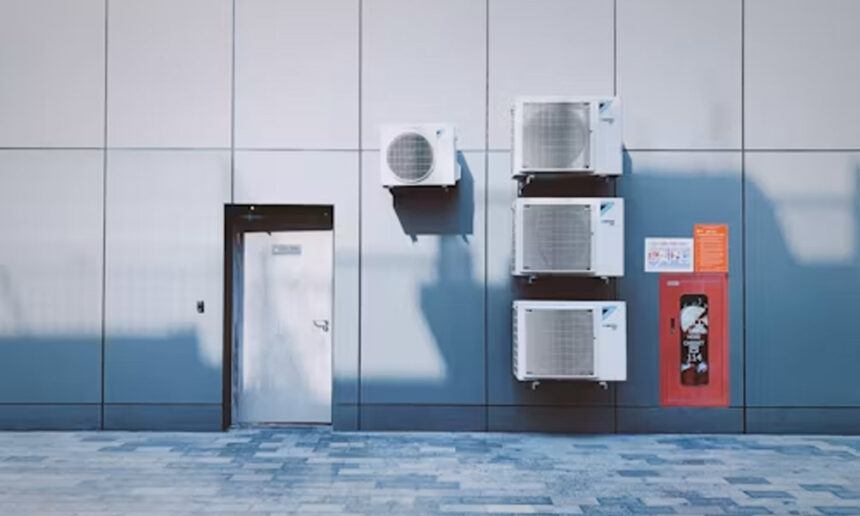
Unlike central AC systems that rely on ductwork, mini-split systems use individual indoor units connected to a single outdoor compressor. This design provides more flexibility in cooling placement, as indoor units can be mounted on walls or ceilings. It also allows for zone cooling, letting you cool only the areas that need it and reduce unnecessary energy use. These features give mini-split systems several practical advantages over a central system:
- Zoned control: Each room is set to its own temperature based on how the space is used, so an empty guest room does not need the same cooling as an occupied office.
- Quiet operation: Indoor units run quietly enough for bedrooms and home offices, creating a more comfortable environment than traditional window units.
- Fast installation: Some installations can be completed in a single day since no ductwork needs to be cut or extended.
Insulation Assessment Tools
Insulation plays a major role in how efficiently a new HVAC system operates. Without adequate insulation, conditioned air escapes before circulating throughout the home, causing the system to work harder to maintain a comfortable temperature. During installation, HVAC technicians use insulation assessment tools to identify areas where improvements are needed.
These tools may include thermal imaging cameras that detect heat loss and pressure tests that measure air leakage. By identifying weak insulation areas, technicians recommend targeted improvements that enhance energy efficiency, reduce strain on the HVAC system, and improve indoor comfort. Evaluating insulation conditions before installing a new system allows you to maximize performance and avoid unnecessary energy usage. Proper insulation helps the HVAC system operate more efficiently while maintaining consistent comfort throughout the year.
Duct Inspection Cameras
Old or dirty ductwork limits the performance of even new air conditioning systems. Dust and debris inside ducts restrict airflow, causing the blower to work harder to circulate conditioned air throughout the home. These contaminants also spread allergens each time the system operates, affecting indoor air quality. Before installation, technicians use small inspection cameras to examine the inside of ductwork for buildup, leaks, gaps, and damage; this allows them to address hidden issues that could reduce airflow and prevent the new system from operating efficiently. Duct inspections are especially valuable for homes with allergy or asthma concerns, as cleaner and properly sealed ducts support healthier indoor air.
Diagnostic Maintenance Tools
During air conditioning installation, technicians use diagnostic maintenance tools to verify system performance and identify potential issues before they affect operation. These tools may include multimeters, refrigerant gauges, and static pressure testing equipment. Since installation marks the beginning of a system’s lifespan, these technologies also support ongoing maintenance by enabling technicians to monitor performance over time.
During maintenance visits, diagnostic tools allow technicians to identify problems such as low refrigerant levels, electrical faults, or airflow restrictions before they develop into larger repair needs. These tools also allow for targeted adjustments that keep the equipment operating efficiently. Regular diagnostic maintenance improves reliability, lowers energy usage, and may extend the lifespan of the air conditioning system.
Learn More About Air Conditioning Installation
Taking the time to select the right air conditioning unit for your home is just as valuable as having it professionally installed. Improper installation can reduce system efficiency and create potential safety hazards. Professional installation involves more than setting up the AC unit; it requires proper connections for reliable performance. Contact a qualified HVAC technician for expert air conditioning installation and repair services.