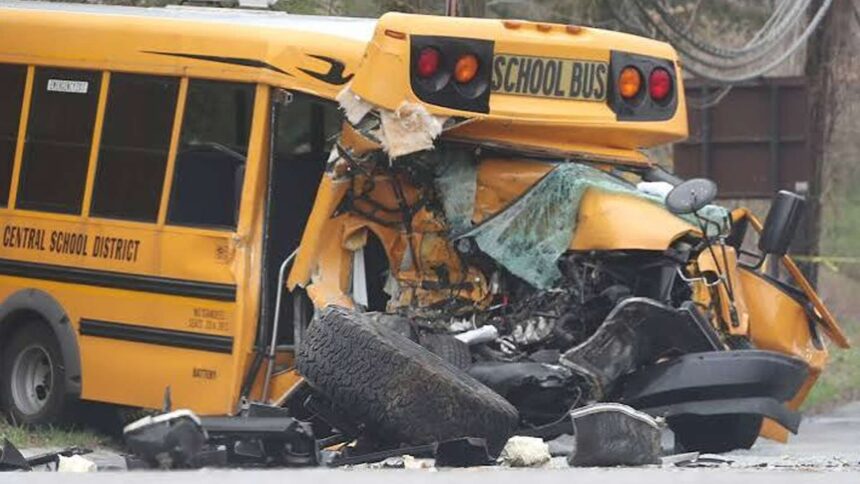
A bus collision is not simply a bigger car crash. The vehicles are heavier, passenger seating differs, and the defendants are often public entities subject to rules that do not apply to private motorists. In Westchester County, those differences show up on day one in the timeline you face and the evidence you must secure. This article explains why bus cases follow a different playbook, how deadlines can bar claims, and how to preserve the onboard and roadside data that often determines fault. It also outlines who may be responsible and how to document injuries in a way that holds up when the insurer or a court scrutinizes your file.
How Bus Crashes Differ From Ordinary Car Collisions
Bus cases usually involve multiple players: the driver, a county transit system or school district, a private charter company, and sometimes a maintenance contractor or another motorist. Physics also changes the analysis. A 30,000-pound vehicle results in longer stopping distances and wider blind spots, while standing passengers, overhead grab rails, and aisle placement increase the risk of falls during sudden braking. Because responsibility and injury mechanisms are more complex, speaking with a Westchester County bus accident lawyer early can help you account for issues that do not arise in typical fender-benders.
Evidence is different too. Buses often carry multiple cameras, a digital video recorder, GPS or telematics data, driver event logs, and maintenance records. Outside the bus, traffic-signal timing sheets, intersection diagrams, and surveillance from nearby storefronts can corroborate what happened. In a sudden-stop case, for example, whether the deceleration was ordinary or unusually abrupt can be shown through onboard video and driver inputs, not just through witness memory. In a side-impact collision, lane position and speed can be triangulated from camera angles, vehicle damage points, and skid or yaw marks recorded in the police report.
Short Deadlines That Can End a Claim Before It Starts
When a county transit system or school district is involved, New York law often requires a Notice of Claim within a short window, commonly 90 days from the incident, before a lawsuit can be filed. Public-benefit corporations and municipal agencies may have similar pre-suit notice requirements, and the statute of limitations for suing them is often shorter than that for private companies. Missing those steps can result in dismissal, even if liability is strong. These rules vary by entity and facts, so confirming whether a defendant is public or private is not a paperwork detail; it dictates your calendar.
There are exceptions and special rules. Minors, for example, may have different time calculations, and courts sometimes allow late notices in limited circumstances. Do not assume those safety valves will apply. Calendar the 90-day notice period and the lawsuit deadline as soon as the involved entities are identified. If you are unsure whether a county-operated bus, a school district contractor, or a private coach was involved, request the incident report promptly and save the fare receipt or trip confirmation to help identify who operated the route.
Preserving Bus and Roadway Evidence Before It Disappears
Onboard digital video recorders and external CCTV often overwrite on a rolling basis, sometimes within days or weeks. A preservation letter sent promptly to the transit operator or bus company can instruct them to retain video, GPS breadcrumbs, driver communications, defect logs, and repair records. If a signalized intersection is involved, request timing plans and maintenance logs from the road authority, and consider a Freedom of Information Law request to capture agency-held footage and 911 audio. At the scene, collect witness names, photograph the aisle, stepwells, pole placement, broken glass patterns, and any puddles or debris that could explain a fall or a loss of control.
Two common scenarios illustrate why speed matters. First, a passenger is thrown forward when a bus brakes to avoid a car cutting in. The key question is whether the stop was an ordinary jolt or an unusually sudden deceleration. Without dash and cabin video, that distinction becomes a credibility contest. Second, a school bus is struck at an intersection while making a left turn. Signal phasing charts, bus GPS pings, and cross-street camera footage can resolve who had the protected phase. Those records do not preserve themselves; early written requests reduce the risk of permanent loss.
Who May Be Responsible In a Westchester Bus Crash
Liability can extend beyond the driver. A county transit system may be vicariously liable for its employee’s negligence, while a private contractor might share fault if it operated the route under contract. A school district could be implicated for routing decisions or for hiring an unsafe vendor. Separate from operation, a maintenance contractor may face claims for brake failures or worn tires documented in defect reports. Another motorist can still be the primary cause if an unsafe lane change or red-light violation forced the bus into a dangerous maneuver. In some cases, a municipality or state road agency bears partial responsibility for a defective sign, pothole, or malfunctioning signal.
These relationships affect more than who writes the check. They decide the venue, discovery rights, and the deadlines discussed earlier. They also determine what insurance applies. Private carriers typically offer commercial auto policies with different exclusions than those of municipal self-insurance or statutory protections. Identifying every potential defendant early avoids a late add that might be barred by a short limitation period.
Documenting Injuries and Damages That Hold Up
Emergency room triage notes, imaging reports, and follow-up records create the backbone of a credible injury claim. Soft-tissue complaints after a jolt can mask a concussion, cervical strain, or meniscus injury that emerges days later; returning to your doctor and following referrals to orthopedics, neurology, or physical therapy builds a consistent timeline between the crash and the diagnosis. Save discharge instructions, prescriptions, and therapy attendance logs. Keep pain journals that note sleep disruption, headache frequency, or mobility limitations tied to daily tasks such as climbing bus steps, lifting groceries, or driving.
Economic losses need paper, too. Retain pay stubs, W-2s, and employer notes verifying missed shifts or duty restrictions. Save receipts for crutches, braces, or rideshares to medical visits. Photograph bruising, lacerations, and casts at intervals to show progression. Avoid recorded statements to insurers before you have reviewed the police report and your medical status; offhand descriptions like “I’m fine” can be misused later. On social media, do not post about the crash or your injuries. A short-term settlement can be tempting, but waiting for a clear medical prognosis can prevent undervaluing a surgery or permanent limitations that surface months after the incident.
Bus crash claims in Westchester County reward quick action and precision. Short municipal deadlines, overwriting video systems, and layered responsibility can close doors before the full story is known. If you act fast to preserve evidence, identify all involved entities, and document both medical and financial losses with specifics, you give yourself a stronger position whether you negotiate with an insurer or present the case in court. An informed approach in the first few weeks often decides the outcome months later, when memories have faded and the file is judged by the records you saved, not by what you recall.