Choosing pendant lights for a kitchen island often seems easy until measurements, ceiling boxes, sightlines, and bulb brightness enter the conversation. A fixture may look perfectly proportioned in a product photograph but feel surprisingly small above a long island. Another may appear elegant online yet block conversations or create uncomfortable glare once installed.
One of the most common decisions is whether to use a single prominent globe or a row of smaller pendants. Both arrangements can work beautifully, but they create different visual effects and solve different lighting problems. The right choice depends on the island’s length, the ceiling height, the room’s layout, and how the surface is actually used.
Begin With the Island, Not the Fixture
Measure the island’s length and width before comparing lighting styles. Do not include surrounding walkways or counters. The fixture arrangement should relate visually to the surface beneath it rather than the dimensions of the entire kitchen.
Next, identify how the island functions. A prep-focused island needs dependable task lighting across cutting boards and work areas. An island used mainly for casual meals may benefit from softer, more atmospheric light. If the surface includes a sink or cooktop, the pendant positions may need to shift so that fixtures do not conflict with faucets, ventilation equipment, or the person working below.
Mark the likely fixture locations with removable tape. Viewing those marks from the kitchen entrance, dining area, and adjacent living space can reveal proportion problems before holes are made or electrical boxes are moved.
When a Globe Pendant Works Best
A globe has a naturally balanced shape that can soften kitchens dominated by rectangular cabinets, long counters, and straight architectural lines. A single larger globe can establish a clear focal point above a compact island, breakfast table, or square work surface.
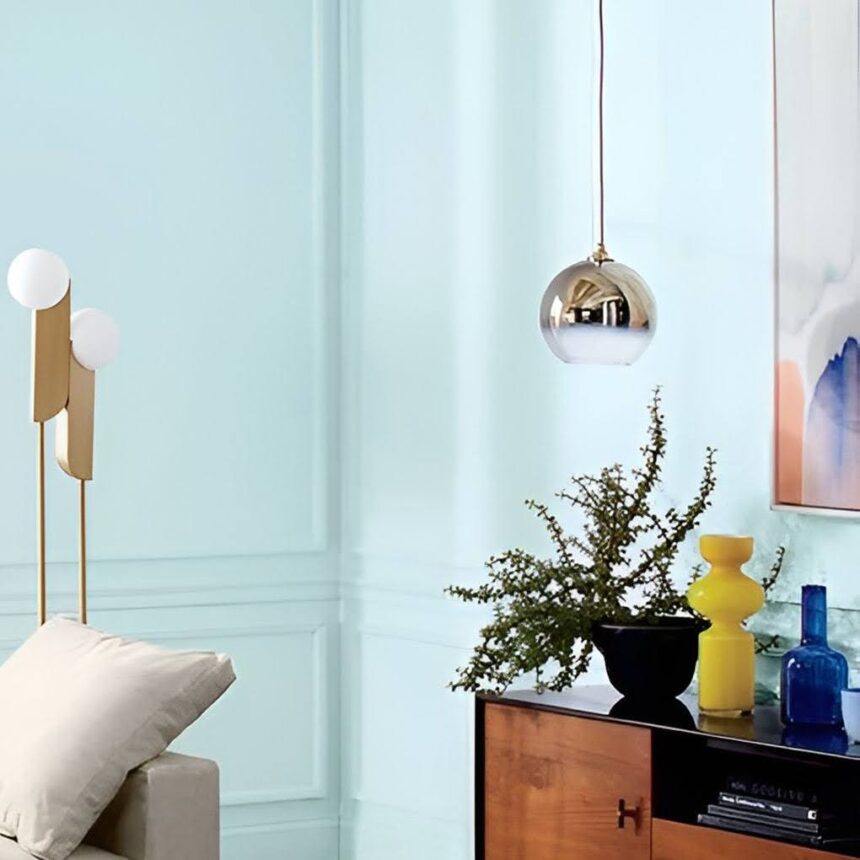
For a longer island, multiple globe pendant lights can create an orderly rhythm while preserving the softness of the rounded silhouette. Clear glass keeps the arrangement visually open, while frosted or tinted glass gives each fixture more presence and can help diffuse the bulb.
A globe is not automatically suitable simply because its diameter fits the available space. Consider its complete height, including decorative metal sections, suspension hardware, and the visible bulb. A large transparent shade may feel lighter than a smaller opaque shade because the eye can see through it.
A coordinated pair can provide balanced coverage without visually crowding the kitchen.
When Several Mini Pendants Make More Sense
A row of smaller pendants is useful when light needs to be distributed across a long surface. Instead of concentrating illumination in the middle, multiple fixtures can cover separate preparation, serving, and seating zones.
Because of their compact size, mini pendants can also suit kitchens where large shades would interrupt an open view. This matters when the kitchen connects directly to a family room or when cabinets, windows, and decorative features should remain visible from across the space.
Smaller fixtures offer flexibility, but adding more of them does not always improve the design. Too many pendants can make the ceiling feel busy and produce overlapping pools of light. Two well-spaced fixtures may look more intentional than three crowded ones, especially over a medium-length island.
Find the Right Number of Fixtures
There is no universal rule that every island needs two or three pendants. Begin by considering the visual width of each shade and the space required between them. The outside edges of the arrangement should generally remain comfortably inside the ends of the island, helping the lights feel connected to the surface below.
For one pendant, center it over the main portion of a small island unless the island’s functions require a different position. For two fixtures, divide the island into equal visual sections and place a pendant near the center of each section. For three, center the middle fixture first and position the other two at equal distances.
These marks are starting points rather than rigid instructions. A sink, range hood, ceiling beam, or existing junction box may require an adjustment. What matters most is that the final arrangement looks deliberate from several viewpoints and provides useful light where it is needed.
Check the Hanging Height and Sightlines
A common starting range is approximately 30 to 36 inches between the island surface and the bottom of a pendant. However, the fixture’s shape, the residents’ heights, and the ceiling all influence the final position.
Someone standing at the island should be able to speak comfortably with a person on the opposite side without looking around a shade. The light should not hang so high that it feels disconnected from the island or exposes a bright bulb directly to seated eyes.
Temporarily suspend a cardboard shape or lightweight object at the proposed height. This simple test can show whether the fixture will block a window, interfere with cabinet doors, or dominate photographs taken from the adjoining room.
Consider How the Shade Controls Light
Clear glass allows light to travel broadly and can make a small kitchen feel open. It also leaves the bulb fully visible, so bulb shape and brightness become part of the design. An overly bright exposed bulb may cause glare, particularly when the island includes seating.
Frosted glass softens the light source and creates a more uniform glow. Smoked or colored glass adds visual depth, but it may reduce the amount of usable light reaching the counter. An opaque metal shade directs more light downward, making it practical for focused tasks while leaving the upper part of the room comparatively subdued.
If the pendants are primarily decorative, confirm that recessed ceiling lights or other fixtures can supply enough general illumination. Pendants should participate in a layered lighting plan rather than carry every lighting task by themselves.
Match the Fixture to the Ceiling
High or vaulted ceilings often require longer adjustable cords or rods. A short fixed suspension can leave the pendant floating too far above the island. Low ceilings need more compact fixtures that provide sufficient clearance without looking compressed against the ceiling.
Check whether the canopy will cover the existing electrical box and any marks left by the previous fixture. When installing several pendants, determine whether the ceiling already contains the correct number of electrical boxes. A multi-light canopy can sometimes create the appearance of separate pendants while using one ceiling connection, but its dimensions and compatibility must be verified before purchase.
Coordinate Without Matching Everything
Pendant finishes do not have to match every handle, faucet, and appliance exactly. A kitchen often looks more natural when finishes relate to one another without being identical. Black pendants can echo window frames, while warm metallic details may connect with cabinet hardware or wood tones.
Shape can provide continuity as effectively as color. Round pendants may repeat curved stools or a rounded faucet, while slim cylindrical lights complement modern cabinetry. In an already detailed kitchen, a simple fixture gives the eye somewhere to rest. In a restrained room, the pendant can supply the defining decorative element.
Test the Plan Before Installation
Review the shade dimensions, suspension length, bulb requirements, dimmer compatibility, and total fixture weight. Confirm that the ceiling structure and electrical boxes can support the selected lights. If new wiring, additional boxes, or changes to an existing circuit are required, use a qualified electrician and follow local electrical codes.
Finally, evaluate the plan from the positions that matter in daily life: standing at the sink, sitting on a stool, walking into the kitchen, and looking in from the next room. A successful arrangement should illuminate the island without creating glare, obstructing conversation, or overwhelming the architecture.
The choice between one globe and several mini pendants is ultimately a question of scale and purpose. A prominent globe creates a focused statement, while smaller pendants distribute light and rhythm across a longer surface. Measure carefully, test the sightlines, and let the way your household uses the island guide the final decision.