Think about the businesses people remember for the right reasons. A hotel where every room feels ready before check-in. A warehouse where orders leave on schedule without constant delays. A grocery store where shelves stay stocked, and the environment always feels clean. Customers usually credit the service, but much of that experience is created long before anyone walks through the front door. It starts with a commercial environment that quietly supports everything happening inside it.
That behind-the-scenes reality has become more important over the past few years. Businesses now operate with tighter delivery windows, leaner inventories, higher customer expectations, and greater public awareness around cleanliness and workplace standards. A minor facility issue that might have gone unnoticed a decade ago can now disrupt operations, damage reputation, or spread rapidly across social media. Maintaining a safe, clean, and interruption-free workplace has become part of business strategy because the environment itself influences productivity, customer confidence, and operational consistency every single day.
Problems Are Cheapest Before They Exist
The busiest commercial facilities rarely have the luxury of stopping everything to deal with unexpected problems. Distribution centers keep products moving around the clock, restaurants prepare hundreds of meals a day, manufacturers follow production schedules measured down to the hour, and hotels work through constant guest turnover. In environments like these, even a relatively small issue has the potential to interrupt dozens of connected activities before anyone fully understands what happened. That is why experienced facility managers spend so much time preventing disruptions instead of simply responding to them.
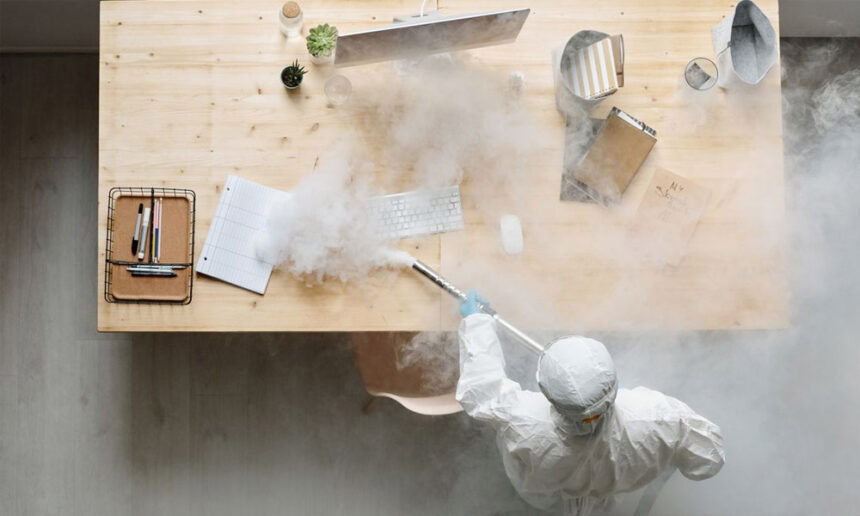
Consider a warehouse storing packaged goods or a food production facility handling large inventories every week. Waiting until visible signs of pest activity appear often means the problem has already reached inventory, work areas, or storage zones that affect daily operations. Businesses increasingly include commercial fumigation services within broader preventive maintenance programs because the objective is operational continuity, not emergency response. Professional treatment protects inventory, supports compliance requirements, and helps businesses avoid interruptions that cost significantly more than routine prevention ever would.
A Cleaner Workplace Changes More Than Appearance
Employees notice the condition of a workplace long before it appears in a quarterly report. Walk into an organized facility with clean break rooms, maintained restrooms, uncluttered work areas, and fresh shared spaces, and the environment immediately feels different. People settle into work more comfortably because the space itself communicates that daily operations are being managed with care. Cleanliness influences mindset in subtle ways that are easy to overlook precisely because they become part of the normal work experience.
Those impressions eventually translate into measurable business outcomes. Cleaner environments help reduce unnecessary illness, minimize distractions, and create conditions where employees can stay focused on their responsibilities instead of dealing with avoidable facility concerns. While workplace hygiene cannot solve every productivity challenge, it removes obstacles that gradually affect attendance, morale, and overall consistency.
Stability Begins with the Environment
Financial planning often receives most of the attention when businesses discuss long-term stability, yet physical environments quietly influence whether those plans succeed. Equipment performs better in clean conditions. Inventory remains protected when storage standards stay consistent. Employees work more effectively when environmental issues are addressed before becoming distractions. Stability is rarely built through one major decision. More often, it develops through dozens of small operational habits that continue working long after they stop being noticed.
This is why environmental health standards deserve a place alongside financial and operational planning rather than being treated as separate maintenance responsibilities. Consistent air quality, sanitation practices, waste management, and preventive inspections all contribute to a business that experiences fewer unexpected interruptions. Organizations investing in these standards are protecting productivity, reducing operational uncertainty, and creating conditions where growth can continue without avoidable setbacks.
Trust Starts Before the Conversation
People begin forming opinions about a business surprisingly quickly. Before a presentation starts, before a product demonstration begins, and before a contract is discussed, visitors are already absorbing information from the environment around them. They notice whether reception areas feel organized, whether facilities appear cared for, and whether the overall workspace reflects professionalism. These observations happen almost instinctively, yet they influence confidence long before anyone starts talking about services or pricing.
The same principle applies to long-term business relationships. Clients, suppliers, investors, and prospective employees often view facility standards as an indirect reflection of operational discipline. A business that consistently maintains its commercial environment sends a subtle but powerful message about reliability, attention to detail, and organizational standards.
Risk Doesn’t Always Arrive Looking Like Risk
When leaders discuss business risk, conversations usually revolve around finances, cybersecurity, supply chains, or market conditions. Far less attention is given to the building itself, even though commercial environments quietly influence every one of those areas. A neglected maintenance issue, poor sanitation practices, or overlooked facility condition may seem isolated at first, yet each has the potential to affect inventory, employee well-being, customer confidence, and operational continuity all at once.
Viewing facility care through a risk management lens changes the conversation completely. Preventive inspections, organized maintenance schedules, sanitation programs, and ongoing environmental monitoring become investments in business continuity rather than maintenance expenses.
A Workplace People Want to Return To
Employee retention is usually discussed in terms of salaries, benefits, or career growth, but the physical workplace quietly shapes that conversation every day. People notice whether equipment is maintained, whether shared spaces are clean, and whether the environment feels safe enough to focus on their work instead of worrying about avoidable issues. Those observations rarely become the topic of conversation because they are simply expected. When those expectations are met consistently, the workplace feels dependable. When they are not, frustration builds much faster than many organizations realize.
That is one reason well-maintained facilities often support stronger morale over time. Employees tend to feel more respected when the environment reflects care and professionalism instead of neglect. A clean workspace signals that management values not only operational performance but also the people responsible for achieving it. While facility standards alone cannot create a positive workplace culture, they reinforce it by removing distractions and creating conditions where employees can perform their jobs with greater comfort and confidence.
Compliance Is Easier When It Becomes Routine
Regulatory compliance rarely depends on one major inspection. More often, it reflects the habits an organization maintains every ordinary day. Businesses operating in industries such as food production, healthcare, hospitality, manufacturing, or logistics work within sanitation expectations that require consistency rather than occasional improvement. Waiting until an inspection appears on the calendar usually creates unnecessary pressure because good compliance is built long before inspectors arrive.
Organizations that integrate sanitation into everyday operations approach compliance from a different perspective. Cleaning schedules, documented procedures, employee training, and routine monitoring become part of the daily workflow instead of extra responsibilities added later. That consistency reduces the likelihood of overlooked issues while making regulatory expectations easier to meet throughout the year.
Businesses that invest in these fundamentals are doing more than maintaining buildings. They are protecting productivity, strengthening workplace culture, supporting customer confidence, and reducing risks that can quietly grow into expensive disruptions.