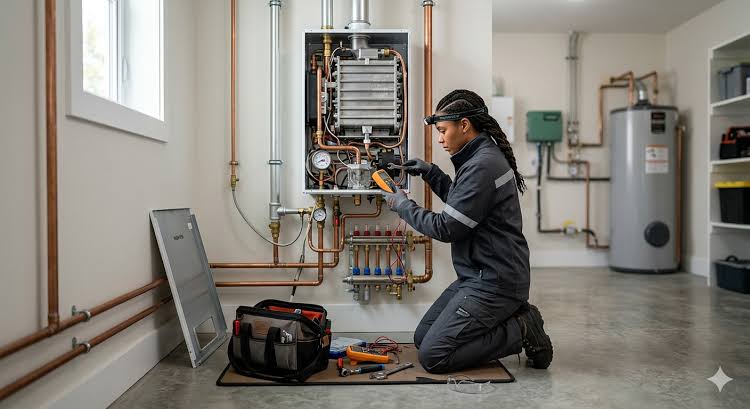
Home remodeling often focuses on visible improvements such as updated flooring, modern kitchens, expanded living spaces, or refreshed wall finishes. While these upgrades can dramatically change the appearance of a home, they can also affect heating performance and indoor comfort in unexpected ways. Construction dust, altered room layouts, temporary openings, and changes to insulation all influence how efficiently a heating system performs throughout the remodeling process.
Paying attention to the condition of the furnace before, during, and after renovations helps maintain consistent temperatures, improve indoor air quality, and reduce unnecessary strain on heating equipment while supporting a more comfortable living environment.
Maintaining Comfort Throughout Renovations
Remodeling Activities Can Affect Heating Performance
Home remodeling introduces many changes that extend far beyond appearance. Walls may be removed, new windows installed, insulation upgraded, or room additions created, each of which changes how heat moves throughout the home. Construction crews frequently leave doors and windows open while transporting materials, allowing warm air to escape and cold air to enter during cooler months. Dust from sanding drywall, cutting wood, or demolishing old materials can circulate through the home’s ventilation system, reducing airflow and placing additional stress on heating equipment.
Even temporary changes such as sealing off rooms or covering vents can interfere with proper heat distribution. Homeowners often notice certain areas becoming warmer while others remain noticeably colder during remodeling because airflow patterns have changed. Furnace repair service helps restore proper system performance when remodeling activities begin to interfere with reliable heating, allowing indoor temperatures to remain more balanced while renovation work continues. Addressing these concerns early helps reduce discomfort for family members while preventing avoidable wear on the heating system during an already demanding period for the home’s mechanical equipment.
Remodeling Can Increase Furnace Workload
A furnace often works harder during remodeling than homeowners realize. Fresh concrete, new drywall, paint, flooring adhesives, and other construction materials can influence indoor humidity levels, making heating systems run longer to maintain comfortable conditions. If contractors repeatedly open exterior doors while bringing in supplies, heated air escapes continuously, forcing the furnace to cycle more frequently. Newly constructed additions may also require extra heating before insulation and finishing materials are fully installed, increasing demand on the system. Older furnaces that were already showing signs of wear may struggle even more under these changing conditions.
Components such as blowers, burners, ignition systems, or air filters may begin operating less efficiently when exposed to construction debris or prolonged operating cycles. Timely inspections and repairs reduce unnecessary strain, allowing heating equipment to continue operating consistently despite the changing environment created by ongoing renovation work. Keeping the furnace functioning properly also supports a more predictable indoor climate, making it easier for everyone living in the home to remain comfortable while construction progresses from one phase to another.
Dust Control Supports Indoor Comfort
Construction dust is one of the most overlooked factors affecting indoor comfort during remodeling projects. Fine particles produced from drywall, insulation, wood, tile, and concrete can easily enter return vents and circulate throughout the ductwork. Once these contaminants accumulate inside filters or mechanical components, airflow may decrease significantly. Reduced airflow often results in uneven heating, longer furnace operating cycles, and increased accumulation of airborne particles throughout occupied rooms. Individuals with allergies or respiratory sensitivities may notice increased irritation when dust remains suspended indoors for extended periods. Cleaning or replacing filters, inspecting blower components, and ensuring unobstructed airflow all contribute to healthier indoor conditions.
Repairing furnace issues caused by clogged components also improves the system’s ability to distribute warm air evenly across the home. Maintaining cleaner airflow during remodeling not only enhances comfort but also helps preserve the condition of heating equipment that may otherwise suffer unnecessary wear from excessive dust accumulation generated throughout construction activities.
Renovation Changes May Require Heating Adjustments
Many remodeling projects significantly alter a home’s original layout. A finished basement, expanded living room, enclosed patio, or converted attic changes the amount of space requiring heated air. These structural modifications may affect how existing ductwork distributes warmth throughout the property. Rooms that once received adequate airflow may suddenly experience reduced heating because air is now being divided among larger areas. Likewise, improved insulation or energy-efficient windows can alter heating demands by reducing heat loss in some sections while exposing weaknesses elsewhere in the system. Furnaces that previously maintained comfortable temperatures may require adjustments to airflow settings or repairs to maintain balanced heating after remodeling is complete.
Addressing these issues promptly allows the heating system to adapt more effectively to the home’s updated design. Rather than simply increasing thermostat settings to compensate for uneven temperatures, correcting underlying furnace or airflow concerns creates a more comfortable indoor environment while helping the equipment operate more efficiently throughout the heating season.
Preventing Unexpected Heating Interruptions
Home remodeling already introduces enough disruptions without adding unexpected furnace breakdowns. Construction schedules often depend on maintaining safe indoor working conditions, particularly during colder months when low temperatures can slow finishing materials such as paint, flooring adhesives, or drywall compounds from curing properly. If the furnace suddenly stops working during an active renovation, contractors and homeowners alike may experience delays while repairs are completed. Small issues such as worn belts, faulty sensors, clogged burners, or aging electrical components may become more noticeable when heating systems are operating under increased demand.
Routine inspections and timely repairs reduce the likelihood of sudden equipment failure while supporting consistent indoor temperatures throughout each stage of remodeling. Reliable heating also protects certain construction materials from temperature fluctuations that could affect installation quality or drying times. Maintaining dependable furnace operation contributes to a smoother renovation experience while minimizing interruptions that could increase both project timelines and overall household inconvenience.
Home remodeling changes far more than the appearance of a house, influencing airflow, heating demands, indoor air quality, and overall comfort throughout every stage of construction. A properly maintained furnace helps accommodate these changes while reducing unnecessary strain caused by dust, changing room layouts, and increased heating requirements. Addressing repair needs before small concerns become larger problems supports dependable performance during renovation and after the project is complete.
When heating equipment continues operating efficiently despite structural changes, homeowners enjoy a more comfortable indoor environment while protecting both their remodeling investment and the long-term performance of their home’s heating system.