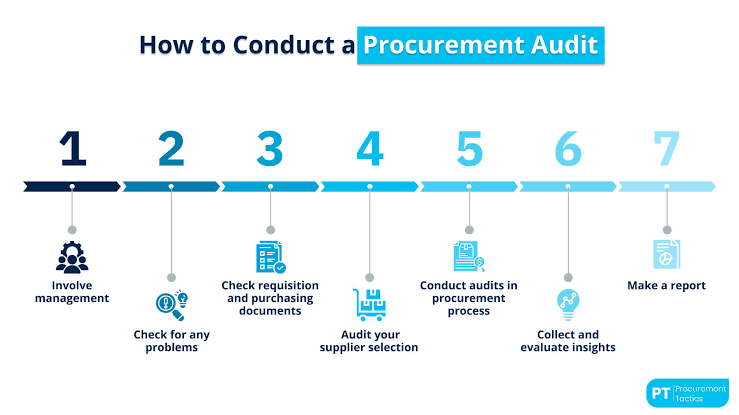
An organization’s net effect of every purchase leaves a trail of approvals, supplier interaction, invoices, contracts, financial records, etc. behind. If these activities are controlled in separate systems it is hard to determine that all transactions were processed in compliance with internal policies. That’s where procurement orchestration provides an edge. When procurement is integrated into the same workflow, organizations have more accurate, transparent and easier-to-manage audits and less wasted administrative time.
Building Visibility Across Procurement
The key to an effective procurement process lies in full visibility. Procurement teams must be aware of the sources of requests, what they have been approved for, which supplier filled them and how payments were routed.
If you have information in multiple applications, spreadsheets, and email communications, you can see how it can become time consuming to trace individual transactions. Without records it can cause extra work during audits and raise the chance for non-compliance.
Records of all purchasing activities are automatically recorded with connected procurement workflows, streamlining the process of operational records when reviews are needed.
Strengthening Documentation Quality
Documentation is crucial to procurement audits. The audit trail includes purchase requests, quotations, contracts, purchase orders, delivery confirmations, invoices and payment records.
Incomplete or inconsistent records make auditing activities more time consuming since procurement teams have to manually search for information in other departments.
Digital procurement workflows automatically structure documents for each transaction, keeping all the elements of the buying lifecycle connected. This is structured documentation that not only enhances the accuracy of the record, but also saves time in preparing for internal or external audits.
Creating Consistent Approval Records
Manual systems may have different approval flows within each department. Multiple paths of approval, exceptions that aren’t documented, or lack of authorization result in unnecessary compliance risks.
This problem can be overcome through standardized digital workflows, where all requests are processed according to pre-defined business rules. Approval histories are permanently tied to each transaction, which facilitates understanding if organizational policies were adhered to.
Managers also get improved accountability as all decisions are captured, complete with all transaction details and approval timestamps. The more standardized procurement becomes, the less complicated the preparation of audits will be.
Understanding Different Audit Approaches
The purpose of a procurement audit varies in accordance with priorities of the organization. Financial accuracy has been the focus of some reviews, while others have assessed supplier performance, policy compliance, contract management or operational efficiency.
By knowing the different types of procurement audit, organisations are able to take a more comprehensive view of procurement than just a documentary audit.
Operational audits can judge the efficiency of the processes, compliance audits can check to see that the process is in line with internal rules and procedures, financial audits can check spending accuracy, and supplier audits can check the vendor’s performance against what was agreed in the contract. The report will provide insights, which will be useful in improving procurement governance over time.
Improving Collaboration During Reviews
Procurement teams are not typically the only ones that are audited. Documentation may be provided over the course of the review by finance, legal, operations, internal audit, and business departments.
When they have different systems that don’t share data, collaboration can be difficult. Integrated procurement environments streamline collaboration by enabling authorized stakeholders to access centralized purchasing information.
Search teams don’t need to look at different systems, but can instead check paperwork from one connected system, which cuts down on delays and makes overall information available more quickly.
Detecting Risks Earlier
Modern procurement systems have one of the biggest advantages of being able to uncover potential risks before formal audits take place.
The automated monitoring system continually monitors procurement activities to detect unusual purchasing behavior, duplicate invoices, policy exceptions, approval irregularities, or supplier inconsistencies.
Early detection allows procurement professionals to quickly address problems before they grow into big financial or compliance problems. Rather than seeing audits as a once-a-year occurrence, organizations may develop continuous monitoring practices to boost operational self-confidence all year round.
Preparing For Continuous Improvement
It is important to note that procurement is still a process in a state of constant transformation, as organisations seek to become more efficient and effective through the use of digital technologies, and to enhance governance.
AI, workflow automation, predictive analytics, and seamlessly connected purchasing platforms are revolutionizing the way in which purchasing activities are managed and reviewed. Organizations are not only auditing procurement performance at regular intervals but are also increasingly tracking procurement performance on an ongoing basis through automated reporting and real-time visibility.
This will help the procurement team to develop ideas to improve the processes before any operational problems impact the business. Today’s procurement is more interconnected, more transparent and more capable of helping organizations grow and maintain higher standards of compliance. Being familiar with various types of procurements audit in digitally connected procurements can lead to better governance and ongoing enhancement of the procurement process.
Creating Long-Term Operational Confidence
Procurement is more than just the lowest price for products or services. It’s about having the same processes, the same documentation, being responsible with the money, and working together within the organization.
Organizations can use connected procurement systems to accomplish these objectives, which decreases complexity and boosts working visibility.
With more streamlined procurement processes, audits are no longer about compliance but about continuous improvement. Companies that embrace integrated procurement gain a solid foundation of confidence in each procurement decision they make and improve financial accountability along the entire business.
Conclusion
The entire purchasing process is more efficiently audited with structured digital workflows and procurement orchestration. This enhances visibility, documentation, approvals and the ongoing monitoring, resulting in better compliance and more efficient and transparent procurement. The role of connected technologies will become more important in the future in improving governance and enabling more intelligent decision making in businesses as they keep modernizing procurement operations. For organizations seeking to take their digital procurement to the next level, they can discover how Procol can help them achieve connected procurement and audit readiness by utilizing intelligent procurement solutions.
While procurement audits help organizations evaluate purchasing processes and identify compliance gaps, they become even more effective when supported by contract analytics . Advanced contract analytics solutions enable businesses to extract key obligations, monitor contract performance, identify potential risks, and uncover valuable insights across their contract portfolio. By combining procurement audits with data-driven contract analysis, organizations can strengthen governance, improve decision-making, and ensure greater operational efficiency.