Most people have at least one piece of jewelry they haven’t worn in years. A ring from a past relationship, a gold chain inherited from a grandparent, and a bracelet that no longer fits the occasion. These pieces sit quietly in drawers and boxes, easy to overlook and easy to undervalue. That overlooked jewelry may represent more financial value than its owner realizes. In many cases, far more.
The Scale of Dormant Jewelry in American Homes
Holding onto unworn jewelry isn’t some personal quirk. It’s a national pattern. Unvault’s Jewelry Drawer Index estimates that American homes hold roughly $750 billion in intrinsic gold metal value alone. The average U.S. household holds about $5,700 in unappraised gold jewelry, with gold prices still near historic highs.
What makes that figure striking is how consistently owners underestimate it. Analysis of more than 50,000 platform evaluations found that owners routinely underestimate the current metal value of their pieces by a factor of three or more. A piece that cost $600 two decades ago still feels like a $600 piece, even though the metal inside has compounded significantly in value. Approximately 62% of U.S. jewelry owners carry no insurance on their fine jewelry, often because they lack current appraisals. Most people have no idea what they’re sitting on.
Why Jewelry Holds Its Value Better Than People Expect
The Metal Itself Appreciates
Gold is not like a car or a piece of electronics. It doesn’t depreciate with age. The gold in a bracelet bought in 2005 is the same gold today, and gold’s spot price has risen sharply over that period. Metal content alone, measured by weight and karat, can account for a substantial portion of a piece’s resale value regardless of its style or condition.
Gemstones Carry Independent Value
Diamonds, sapphires, rubies, and other stones hold their own market value separate from the setting. A diamond set in a ring style that feels dated still has the same carat weight, cut, and clarity it always had. Those factors drive resale value. Not the design era.
Craftsmanship and Provenance Add a Premium
Some pieces carry value well beyond their materials. Signed work from recognized designers, estate jewelry from specific periods, and pieces with documented provenance consistently attract buyers willing to pay above melt value. Even without a famous name attached, well-made fine jewelry in good condition tends to hold up in the secondary market.
How to Assess What You Have
Before deciding what to do with unworn jewelry, it helps to understand what you actually have. A few practical steps:
- Sort by material. Separate gold, silver, and platinum pieces from costume or fashion jewelry. Precious metals and genuine stones are what hold resale value.
- Check for hallmarks. Look for karat stamps (10K, 14K, 18K) or purity marks on silver and platinum. These confirm the metal content and inform any appraisal.
- Note condition honestly. Missing stones, broken clasps, and deep scratches affect value, but many issues are repairable. A buyer or appraiser will factor these in.
- Research comparable pieces. Auction records and resale platforms can give a rough sense of what similar items have sold for recently.
Once sorted, the next step is getting a professional appraisal, or at minimum a buyer evaluation. Reputable jewelers and estate buyers will assess pieces on the spot, and many do so without any obligation to sell.
Where to Sell or Trade Fine Jewelry
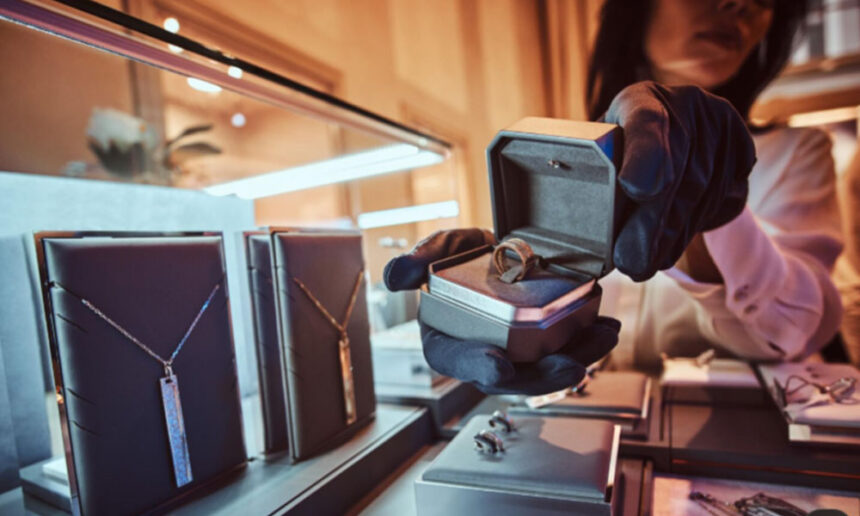
The resale channel matters as much as the piece itself. Pawn shops, online platforms, auction houses, and local jewelers all offer different trade-offs between convenience, speed, and return. Local jewelers and estate buyers who specialize in fine jewelry tend to give more informed assessments than generalist buyers, particularly for pieces with gemstones or designer provenance.
Browsing established fine jewelry collections at a reputable jeweler gives a useful reference point for understanding how pieces are graded and priced in the current market, which helps sellers walk into any transaction with realistic expectations.
The secondary market for fine jewelry has matured considerably. Buyers are more accessible, pricing is more transparent, and the stigma around selling inherited or gifted pieces has largely faded. Selling a piece doesn’t erase its history. It converts a dormant asset into something usable.
The Timing Factor: Why the Current Market Matters
The metal market context right now is relevant to anyone holding gold jewelry. Gold hit a record high of nearly $5,600 per ounce in January 2026, a historic moment and a sharp shift from where prices stood just a year earlier. For comparison, gold averaged about $279 per ounce in 2000, compared with nearly $4,600 per ounce in August 2026. That’s a 16-fold increase in the underlying metal price.
The practical implication is real. A gold necklace weighing 15 grams that cost a few hundred dollars years ago carries a metal value today that would surprise most people who own one. Even if prices pull back from recent highs, pieces purchased in earlier decades are often worth multiples of their original cost in raw metal terms alone, before accounting for any craftsmanship or stone value.
Where to Start
Pull out the pieces you haven’t worn in over a year and take a real look at them. Get at least one professional opinion on value before making any decisions. The jewelry market is active, buyers are informed, and the gap between what most people think their unworn jewelry is worth and what it actually fetches has rarely been wider.