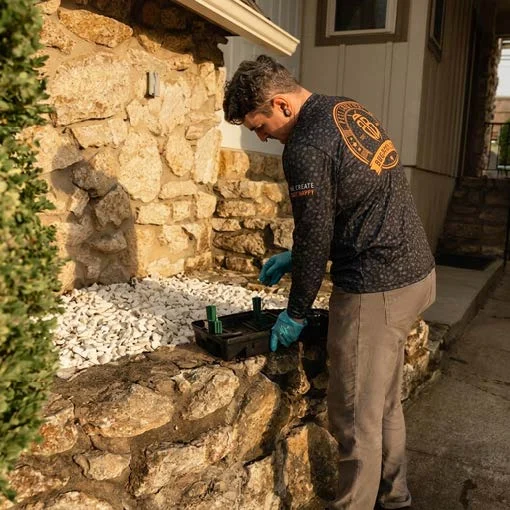
Spiders are among the most common pests that homeowners may encounter around their properties. Although many spider species are harmless and can help reduce other insects, finding webs, egg sacs, or multiple spiders inside a property can be unpleasant and concerning. Spiders are attracted to areas where they can find food, shelter, moisture, and undisturbed spaces, which means that certain conditions around a property can encourage their presence. Understanding these conditions is the first step toward reducing unwanted spider activity. A successful spider control approach should focus not only on removing visible spiders but also on identifying and correcting the environmental factors that allow them to enter, hide, and reproduce. Regular cleaning, proper maintenance, sealing gaps, managing insects, and keeping outdoor areas organized can all contribute to a cleaner and less attractive environment for spiders.
Understanding Spider Behavior
Spiders usually enter buildings because they are looking for suitable shelter or access to food. They may move indoors through small openings around doors, windows, vents, utility lines, and cracks in walls or foundations. Once inside, they often choose quiet and undisturbed areas where they can build webs and wait for prey. Garages, storage rooms, basements, attics, closets, corners, and spaces behind furniture can provide suitable hiding places. Outdoor conditions can also influence indoor activity because spiders may establish webs near exterior lights, windows, doors, and vegetation where insects are plentiful. Understanding these habits makes it easier to identify areas that require attention. Instead of treating every spider sighting as an isolated problem, homeowners can examine the surrounding environment and determine what may be encouraging continued activity.
Why Prevention Matters
Prevention is an important part of managing spider activity because simply removing visible spiders does not always address the reason they are present. If cracks, gaps, clutter, moisture, or an abundance of insects remain, new spiders may continue to appear even after existing ones have been removed. A prevention-focused approach looks at the property as a whole and identifies conditions that may provide food or shelter. This can include inspecting exterior walls, checking window screens, cleaning storage spaces, reducing unnecessary outdoor lighting, and correcting moisture problems. Consistent preventive maintenance can make a property less appealing to spiders over time. Combining these measures with appropriate treatments when necessary provides a more complete spider control strategy and can reduce the likelihood of recurring problems.
Keep Interior Spaces Clean
Regular cleaning can help reduce both spiders and the insects they depend on for food. Dust, webs, dead insects, and other debris should be removed from corners, ceilings, window frames, behind furniture, and other less frequently cleaned areas. Vacuuming can be particularly useful because it can remove spiders, webs, and egg sacs from places that may be difficult to reach by hand. Storage rooms should receive regular attention because they often contain boxes and materials that remain untouched for long periods. Keeping these areas organized makes it easier to inspect them and prevents spiders from finding numerous sheltered locations. Cleaning should be performed consistently rather than only when spider activity becomes noticeable. A tidy indoor environment can therefore support ongoing spider control while also improving general household cleanliness and pest prevention.
Remove Webs and Egg Sacs
Visible webs are one of the clearest signs that spiders are using a particular area. Removing webs regularly can discourage spiders from continuing to occupy the same locations and allows homeowners to monitor whether activity is increasing or decreasing. Egg sacs should also receive attention because they may contain developing spiders that can eventually spread into nearby areas. Webs may appear around windows, ceiling corners, storage spaces, garages, outdoor structures, and other quiet areas. During routine cleaning, these locations should be inspected carefully so that newly developed webs do not remain undisturbed for extended periods. Removing webs does not necessarily eliminate every spider from a property, but it can reduce available shelter and make pest activity easier to observe. Consistent web removal is therefore a useful part of a broader spider control routine.
Seal Cracks and Entry Points
Small openings around a building can provide easy access for spiders and many other pests. Doors, windows, vents, utility connections, foundations, and areas where pipes enter walls should be inspected for cracks or gaps. Damaged screens should be repaired, while gaps around doors may be reduced with suitable weather stripping or door sweeps. Cracks around exterior walls should also be addressed where appropriate to limit pest entry. These improvements can provide benefits beyond spider prevention because insects and other unwanted pests may use the same openings to enter a property. A building with fewer accessible entry points is generally easier to maintain and monitor. Regular inspections and timely repairs can therefore form an important foundation for long-term spider control and general pest management.
Reduce Outdoor Food Sources
Spiders depend primarily on other insects for food, so reducing insect activity around a property can indirectly reduce the number of spiders that remain nearby. Outdoor lights can attract moths, flies, mosquitoes, and other insects, which may create a reliable food source for spiders. Unnecessary lights should be turned off when they are not needed, while suitable lighting arrangements can help reduce insect attraction around frequently used entrances. Food waste, standing water, and accumulated organic material can also encourage insect activity. Keeping rubbish containers properly managed and cleaning outdoor areas regularly can help reduce these food sources. When insects become less abundant, spiders may have fewer reasons to remain in the immediate area, making insect management a valuable component of spider control.
Manage Moisture and Humidity
Moisture can contribute to pest activity by creating favorable conditions for insects and other organisms that spiders may feed on. Leaking pipes, poor ventilation, damp storage areas, and water accumulation around a building should be investigated and corrected where possible. Bathrooms, basements, utility areas, crawl spaces, and other locations with limited airflow may require additional attention. Improving ventilation and repairing plumbing problems can help reduce excessive moisture and make these areas less attractive to pests. Outdoor drainage should also be monitored so that water does not remain around foundations or other areas close to the property. Moisture management is especially useful when spider activity repeatedly occurs in damp or poorly ventilated locations. Maintaining dry and well-ventilated spaces can support broader spider control efforts and improve overall property conditions.
Organize Storage Areas
Clutter can provide spiders with numerous hiding places, especially when boxes, bags, unused furniture, tools, and other materials are left undisturbed for long periods. Storage areas should be organized so that floors, corners, and wall edges remain accessible for cleaning and inspection. Where practical, items can be stored in sealed containers rather than loose cardboard boxes. Materials should also be kept away from walls when possible so that potential pest activity is easier to identify. Regularly sorting and removing unnecessary belongings can further reduce the number of sheltered areas available to spiders. A well-organized storage area is easier to clean and inspect, making it easier to identify problems at an early stage. These simple maintenance practices can strengthen spider control while making storage spaces more functional and manageable.
Maintain Outdoor Areas
Outdoor maintenance is another important element of spider prevention because vegetation, debris, and stored materials can create suitable habitats for spiders and their prey. Grass, plants, branches, vines, and other vegetation should be managed so that they do not create excessive contact with exterior walls, doors, or windows. Leaves, piles of organic debris, and unused materials should be cleared regularly. Firewood and similar items should be stored in an organized manner away from frequently used entrances where practical. Exterior walls and structures should also be inspected for webs and cracks. Keeping outdoor areas clean does not mean eliminating every insect or spider, but it can reduce the number of sheltered areas close to the building. Good outdoor maintenance therefore complements indoor cleaning and supports a more effective spider control plan.
Inspect Windows and Doors
Windows and doors can be significant entry points for spiders and insects, especially when screens are damaged or frames do not close properly. Homeowners should periodically inspect screens for tears, loose edges, and openings. Door frames should also be checked for gaps, while the area beneath exterior doors should be examined for spaces that could allow pests to pass through. Weather stripping can help improve seals around doors and windows while also providing other household benefits. Window frames should be cleaned regularly because webs and insects may accumulate in these areas and attract spiders. Making these inspections part of routine property maintenance can prevent small problems from becoming repeated pest issues. Strong barriers around doors and windows provide a practical foundation for spider control and can also reduce the entry of many other unwanted insects.
Address Insect Problems
A property with a large insect population may naturally attract more spiders because insects provide a readily available food source. Flies, moths, mosquitoes, ants, and other small insects can gather around rubbish, outdoor lighting, food waste, standing water, and other favorable conditions. Addressing these sources can therefore have an indirect impact on spider activity. Food should be stored properly, spills should be cleaned promptly, rubbish should be removed regularly, and areas where insects gather should be inspected. If an insect problem appears to be persistent, professional pest management may be appropriate. Reducing the availability of food can make an area less attractive to spiders and may help prevent them from establishing regular feeding locations. This broader approach can make spider control more sustainable than focusing only on visible spiders.
Consider Professional Assistance
Some spider problems may be difficult to manage with household cleaning and preventive measures alone. If spiders are appearing frequently throughout several areas, if large numbers of webs are present, or if egg sacs are repeatedly discovered, a professional inspection may be useful. Pest management professionals can examine the property, identify potential entry points, assess environmental conditions, and recommend suitable treatment options. They may also provide guidance on prevention so that property owners can reduce conditions that support future activity. Treatment methods should always be selected and applied responsibly, following product instructions and applicable safety requirements. Professional assistance can be particularly helpful when the source of repeated spider activity is difficult to identify. Combining professional advice with routine maintenance can create a more comprehensive spider control program.
Use Preventive Measures Consistently
One of the most important aspects of pest management is consistency. Cleaning a property once or sealing a single crack may not be enough if other conditions continue to attract spiders. Preventive maintenance should become part of a regular routine that includes cleaning, inspection, repairs, storage organization, moisture management, and outdoor maintenance. Homeowners can establish periodic checks for webs, cracks, damaged screens, clutter, and areas where insects may be gathering. Seasonal changes can also affect pest activity, making regular inspections useful throughout the year. Consistency allows small issues to be identified and addressed before they become more difficult to manage. A routine approach is more practical than waiting until spider activity becomes widespread and then attempting to correct several problems at once.
Monitor Problem Areas
Monitoring can help homeowners determine whether prevention efforts are producing noticeable changes. Areas where spiders have previously been observed should be checked periodically for new webs, egg sacs, or repeated activity. If the same location continues to show signs of spiders, it may indicate an unresolved entry point, food source, moisture issue, or sheltered area. Keeping track of these patterns can help identify the underlying cause and guide future maintenance. Monitoring is particularly useful after repairs or professional treatments because it provides an indication of whether activity is returning. Rather than relying only on occasional observations, regular inspection creates a clearer picture of what is happening around the property. This makes monitoring an important supporting practice for effective spider control.
Build a Long-Term Prevention Routine
Long-term spider prevention works best when it is incorporated into ordinary property care. A useful routine may include weekly or periodic cleaning, regular removal of webs, inspection of doors and windows, maintenance of screens, sealing of new cracks, reduction of clutter, and attention to moisture problems. Outdoor spaces should also be kept reasonably clean, with unnecessary debris removed and vegetation managed around important access points. If spider activity increases despite these measures, professional advice can help identify additional causes or treatment options. The objective is not necessarily to eliminate every spider from an outdoor environment but to reduce unwanted activity inside living and working spaces. A consistent maintenance routine can make properties less attractive to spiders and reduce the conditions that support recurring problems.
Final Thoughts
Effective spider prevention involves understanding why spiders appear and addressing the conditions that allow them to remain. Cleaning alone may not be enough, just as sealing cracks without managing insects may leave other factors unresolved. A comprehensive approach considers entry points, food sources, moisture, clutter, outdoor conditions, and regular property maintenance. Removing webs and egg sacs, repairing damaged screens, reducing insect activity, and keeping storage areas organized can all contribute to better results. When activity becomes persistent or difficult to manage, professional pest management can provide additional inspection and treatment options. With consistent attention to prevention and maintenance, property owners can create an environment that is less attractive to unwanted spiders while maintaining a cleaner and more comfortable space. The most effective long-term spider control approach combines practical prevention, regular monitoring, responsible treatment, and timely action when new signs of activity appear.