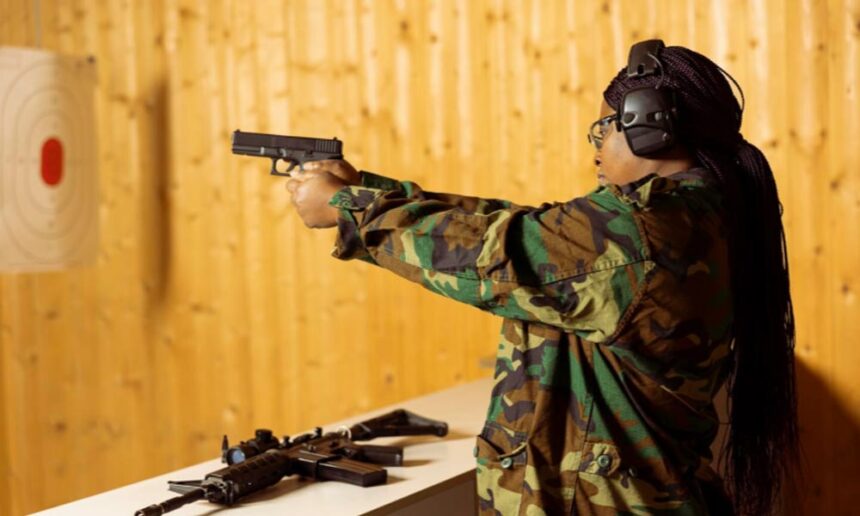
Somewhere along the way, nerf blasters stopped being just a kids’ toy aisle item and turned into something closer to a genuine hobby, with its own tournaments, modding communities, and a surprising amount of gear-nerding energy behind it. Walk into any serious nerf group online and you’ll see people debating dart velocity, magazine capacity, and grip ergonomics with the kind of seriousness usually reserved for actual firearms enthusiasts. If you’re getting into competitive or tactical play and looking for nerf guns realistic enough to hold up in that environment, the calculus is pretty different from picking something off a shelf for a backyard game with the kids.
The word “realistic” gets used loosely in this space, and it’s worth untangling what people actually mean by it before spending money. Sometimes it refers to how a blaster looks, meaning tactical rail systems, a milspec-style body, the kind of silhouette that wouldn’t feel out of place in a first-person shooter. Other times it’s about performance realism: consistent range, reliable rate of fire, dart accuracy that doesn’t fall apart after the first few shots. For competitive play, performance matters more than looks, though most serious blasters manage to deliver both because that market segment demands it.
Start With How You’ll Actually Play
Before getting pulled into spec sheets, it helps to think honestly about the format you’re playing. Indoor tactical games in tight spaces call for something different than open-field skirmishes where range actually decides engagements. A blaster that’s incredible at fifty feet in an open backyard might be clumsy and slow to handle indoors, where quick target acquisition and a light, maneuverable body matter more than raw power. People new to this tend to buy for the game they imagine playing rather than the one they’ll actually be in most weekends, and that mismatch is probably the single most common regret in this hobby.
Team format matters too. If you’re running organized matches with rules around stock loadouts, there’s often a meta that’s already been worked out by more experienced players, and it’s worth asking around in community forums before buying rather than guessing. Some leagues restrict certain blaster types entirely to keep games balanced, which is something a lot of first-time buyers don’t think to check until after they’ve already spent money on something that gets banned from the format they wanted to play in.
Range, Accuracy, and Rate of Fire
These three specs get thrown around constantly, but they trade off against each other more than most marketing copy admits. A blaster tuned for maximum range often sacrifices some accuracy, since higher dart velocity can mean more spin variance depending on the internals. Rate of fire is its own tradeoff entirely; a blaster that can spam darts quickly is great for suppression in a tactical scenario but usually burns through ammunition fast enough that reload discipline becomes its own skill to practice.
Dart type plays into this more than people expect going in. Stock foam darts vary in weight and consistency between brands, and a blaster tuned around one dart type can perform noticeably worse with another. If you’re buying for competitive play, it’s worth testing your blaster with whatever dart type your league or group actually uses rather than assuming the stock darts it ships with are the ones you’ll be shooting in matches.
Build Quality and Modding Potential
This is where the hobby gets a little more serious than casual buyers expect. A lot of tactical players eventually modify their blasters, upgrading springs, replacing internals, or adding aftermarket parts to improve performance beyond what ships out of the box. Not every blaster is built with this in mind. Some have internals that are notoriously difficult to access or modify without risking damage, while others are practically designed around the expectation that owners will open them up and tinker.
If modding is even a remote possibility down the line, it’s worth researching a specific model’s community reputation before buying rather than assuming compatibility. Forums and video reviews tend to be more honest about this than product descriptions, since they come from people who’ve actually taken the thing apart and lived with the results, good or bad.
Weight, Grip, and Handling Under Pressure
It’s easy to underweight ergonomics until you’re twenty minutes into a match and your arm is tired from holding an awkwardly balanced blaster at the ready. Weight distribution matters more in competitive settings than casual ones, since tactical play often involves holding a ready position for stretches at a time rather than just firing and moving on. A blaster that feels fine picked up in a store for thirty seconds can feel completely different after an hour of actual gameplay.
Grip texture and trigger feel are easy to overlook on a spec sheet but matter enormously in practice, especially outdoors where hands get sweaty or gloved in colder weather. If you can test a blaster in person before buying, even just dry-firing it a few times, that hands-on impression tends to tell you more than any online comparison chart.
Putting It Together
There isn’t a single correct answer here, since the right blaster genuinely depends on how you play, who you play with, and what your local rules allow. What matters is resisting the pull toward whatever looks the most intimidating on a shelf or in a video and instead thinking through the actual mechanics of your games first. The players who end up happiest with their gear are usually the ones who bought based on how a match actually unfolds rather than how a blaster photographs, and that distinction tends to matter more the longer you stay in this hobby.