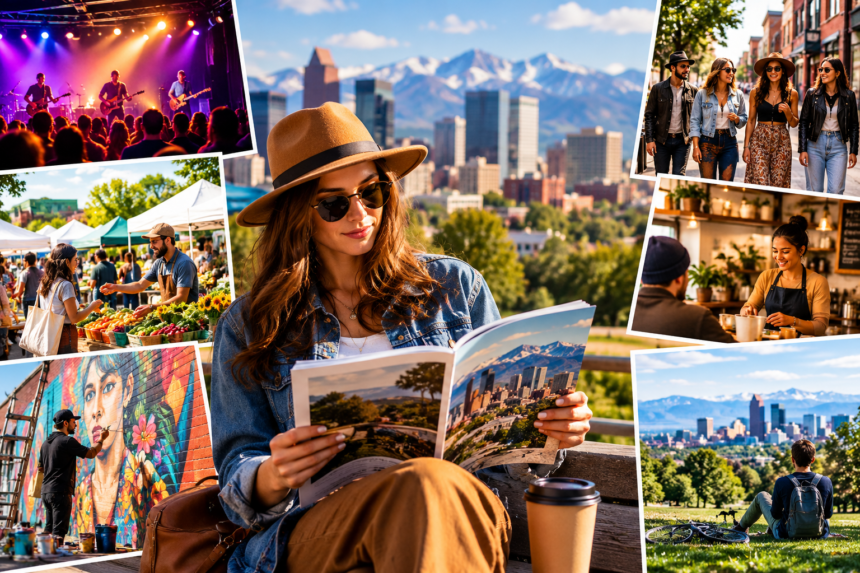
Every city has a pulse, and in Denver it beats loudest in the places that never make national headlines. It lives in a basement venue where a new band plays its first set, in a farmers market that begins before sunrise, and in a mural unveiled on a Saturday afternoon with a crowd of neighbors watching. A new kind of local magazine is working to capture these moments. It does not cover the city from a distance. It is part of the community it writes about.
This article looks at how that identity is taking shape, why a close connection to grassroots events matters, and how local style has become one of the clearest ways to understand Denver today. If something is happening locally, this magazine knows about it, and that knowledge comes from showing up.
Where the Local Story Begins
Great local coverage starts with curiosity and a willingness to explore beyond the obvious. The magazine treats the city as a place to be experienced firsthand, from the alleys of RiNo to the porches of Highland. For readers who want to go deeper into hidden corners, new openings, and unexpected gatherings, a Denver Dive offers a way to explore the culture that gives each neighborhood its character. That approach reflects the magazine’s belief that the best stories are found on the ground, in conversation with the people who live them.
This philosophy shapes everything the editorial team does. Instead of waiting for press releases, writers and photographers spend time at community meetings, pop up shops, and small galleries. They build relationships with organizers, artists, and shop owners, and those relationships produce stories that feel authentic because they are.
Grassroots Events That Shape the City
Denver’s grassroots events are the backbone of its cultural life. Neighborhood block parties, community garden workdays, independent film screenings, and open mic nights all create spaces where residents meet and ideas spread. Many of these gatherings are organized by volunteers with limited budgets and a strong sense of purpose.
The magazine gives these events consistent attention. Coverage includes announcements ahead of time so readers can attend, along with recaps that preserve what happened for those who could not be there. This matters because grassroots events rarely have large marketing teams. A mention in a trusted local publication can mean the difference between a quiet afternoon and a packed house.
Several types of events have become regular fixtures in the magazine’s reporting:
- Art walks and studio open houses that put working creators in front of new audiences
- Neighborhood markets featuring local food makers, ceramicists, and vintage sellers
- Music nights in small venues, breweries, and parks
- Volunteer led cleanups, bike rides, and community sports leagues
Each of these reflects a different side of local life, and together they paint an accurate picture of how Denver spends its time.
Neighborhood Voices and Everyday Culture
A city is more than its landmarks. It is also the barista who knows every regular’s order, the bookstore owner who hosts poetry readings, and the muralist who has repainted the same wall three times as the neighborhood changed around it. The magazine gives these people space to speak in their own words.
Profiles and interviews are a central part of the editorial approach. Rather than focusing only on established names, the team highlights emerging voices, longtime residents, and newcomers who are adding something fresh. This mix helps readers understand how Denver is changing while still honoring what made it special in the first place.
Informative coverage also means context. When a new festival launches or a longtime venue closes, the magazine explains why it matters, who is involved, and what it says about the direction of the city. Readers come away better informed, not just entertained.
How Local Fashion Tells the City’s Story
Style is one of the most visible expressions of local identity, and Denver has a distinctive look. It blends the practical with the creative, pairing outdoor ready layers with vintage finds, handmade accessories, and bold personal touches. Anyone watching the crowds at a concert in Cap Hill or a market in Five Points will notice how comfortable and expressive people are. To see how this plays out on the sidewalks and at community events, explore the world of Denver street style, where individuality and local pride show up in everything from boots to jackets.
The magazine documents this look through photo features, designer spotlights, and stories about the independent boutiques and thrift shops that supply it. Local fashion is closely tied to local events, since many of the best looks appear at the very gatherings the magazine covers. A pop up market might feature a screen printer whose shirts are later spotted all over town, and a vintage sale might shape the way a whole neighborhood dresses for a season.
By treating fashion as culture rather than trend chasing, the magazine shows that style is another way communities tell their stories.
Building a Culture Around Community
What makes this magazine different is its commitment to being a participant. It sponsors small events, collaborates with local creators, and invites readers to contribute ideas. That reciprocal relationship helps build trust, and trust is what turns a publication into a cultural institution.
Several principles guide this effort:
- Showing up in person, not just reporting from a desk
- Giving credit and visibility to organizers and volunteers
- Keeping coverage accurate, timely, and useful
- Celebrating what is unique about Denver instead of copying other cities
These habits create a feedback loop. Readers attend events, share their experiences, and suggest new stories. The magazine then reports on what it hears, which draws in even more of the community.
Conclusion
Denver’s culture is made by the people who organize, create, perform, and show up. A local magazine that understands this has an opportunity to do more than report on the city. It can help shape how Denver sees itself. By staying close to grassroots events, spotlighting neighborhood voices, and documenting the local look with care, this publication is building a culture that residents can recognize and be proud of.
For readers, the takeaway is simple. The best way to know Denver is to get out and experience it, and a magazine that does the same will always have something worthwhile to say.