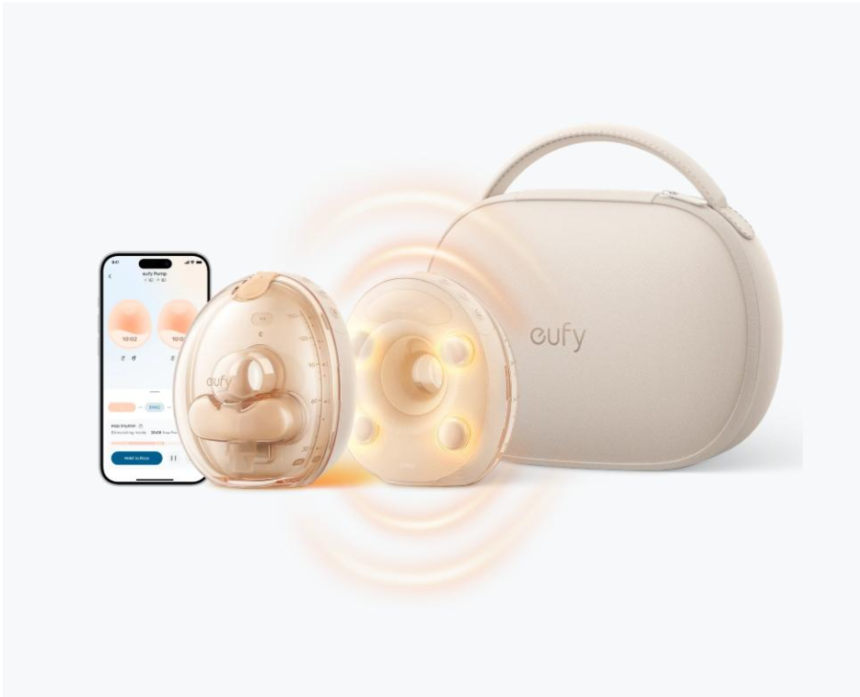
Returning to work after having a baby can be a major adjustment, especially for mothers who want to continue breastfeeding while meeting professional responsibilities. Office schedules, commuting, meetings, and limited breaks can make it difficult to maintain a consistent pumping routine. With thoughtful preparation and practical equipment, however, working mothers can develop a routine that fits their responsibilities without making every workday feel overwhelming. Choosing a suitable wearable breast pump may also give mothers more flexibility when managing pumping sessions around their daily schedules.
The transition becomes easier when breastfeeding is treated as a practical part of returning to work rather than another responsibility that must fit perfectly into an already crowded day. Every mother’s circumstances are different. Some have access to a private wellness room, while others work in shared offices, travel between appointments, or spend several hours commuting. Understanding these differences helps mothers create a realistic plan that supports both their professional goals and their baby’s feeding needs.
Preparation is particularly valuable during the first few weeks back at work. Instead of waiting until the first busy morning to decide when and where to pump, mothers can identify suitable break times, organise supplies, and discuss reasonable workplace arrangements in advance. These small decisions can reduce uncertainty and make the working day more predictable.
Planning Pumping Sessions Around Office Responsibilities
A demanding office calendar can make it tempting to postpone pumping until a meeting ends or a quieter moment arrives. Unfortunately, an unpredictable schedule may make it harder to maintain a comfortable routine. Planning pumping sessions around the working day helps mothers protect time for their needs while continuing to fulfil professional commitments.
Before returning to work, mothers can review their usual schedule and identify possible pumping windows. These might fall before the first meeting, during a regular break, or between appointments. The exact timing and frequency depend on the baby’s feeding pattern, the mother’s milk supply, and individual comfort. A healthcare professional or lactation consultant can help develop an appropriate plan.
It is also useful to build some flexibility into the schedule. Meetings may run late, urgent tasks may appear, and travel arrangements can change. A routine that allows occasional adjustments is more sustainable than one that depends on every activity happening at an exact time. Calendar reminders can help mothers remember planned sessions, while advance preparation can make it easier to resume the day afterward.
Choosing Equipment That Fits a Professional Environment
The equipment a mother chooses can influence how manageable pumping feels during working hours. Traditional pumps may work well in a designated private space, while wearable designs can appeal to mothers who prefer a more compact setup. The best option depends on comfort, fit, milk expression effectiveness, cleaning requirements, noise levels, and the amount of time available for each session.
When comparing breast pump Canada options, working mothers should look beyond appearance or convenience claims. Product specifications, flange sizing, battery life, capacity, and cleaning instructions all deserve attention. A wearable model may offer greater freedom of movement, but it does not necessarily allow discreet pumping in every situation. Some designs are visible under clothing, and many still require a suitable place to empty and clean the collection components.
Mothers should also consider whether a particular pump works effectively for their individual needs. Wearable pumps can be useful for some users, but output varies, and certain mothers may prefer a conventional electric pump for regular expression. If milk supply is a concern or a baby has specific feeding needs, professional guidance can help determine which equipment is appropriate.
Creating a Private and Comfortable Pumping Space
A comfortable pumping environment can make a significant difference during a busy office day. Ideally, mothers should have access to a private, clean space where they can sit comfortably, assemble their equipment, and complete a session without unnecessary interruptions. A suitable room should offer privacy rather than requiring mothers to use a restroom or another unsuitable area.
Employees can discuss their needs with a manager or human resources representative before returning to the workplace. Explaining the approximate schedule and identifying a suitable room may prevent misunderstandings later. Where possible, arranging a recurring booking can help ensure that the space remains available when needed.
Comfort also matters. A supportive chair, a nearby electrical outlet when required, and a clean surface for equipment can make sessions easier. Some mothers may find it helpful to keep a small bag with their supplies in one location, allowing them to prepare quickly instead of searching through a handbag or desk drawer.
Workplace arrangements differ by employer and jurisdiction. Mothers working in Canada should review the applicable provincial or territorial employment standards and federal requirements, where relevant, to understand the protections and accommodations available to them.
Preparing a Pumping Kit Before Leaving Home
A well-organised pumping kit can prevent small problems from becoming stressful interruptions. Rather than gathering individual items each morning, mothers can keep a dedicated set of supplies ready for work.
Useful items may include:
- A breast pump and its required components
- Clean milk collection containers or storage bags
- A cooler bag and suitable ice packs when refrigeration is unavailable
- Cleaning supplies recommended by the pump manufacturer
- A spare bra or top in case of leaks
- Labels and a pen for recording milk collection dates
- A charging cable or charged battery, depending on the pump
The kit should reflect the length of the workday and the number of planned sessions. Carrying too many unnecessary items can make commuting more cumbersome, while forgetting essential components may interrupt the entire routine. A short checklist kept near the door or inside the pump bag can simplify preparation.
It is equally important to check the equipment before leaving home. Confirming that the pump is charged, the collection parts are clean, and the storage containers are ready can save valuable time at the office. Keeping a spare essential component, when practical, may also provide reassurance during longer shifts or business travel.
Storing Expressed Breast Milk Safely at Work
Milk storage deserves as much attention as the pumping session itself. Once milk has been expressed, mothers need a reliable way to keep it at an appropriate temperature until they can transport it home or place it in suitable storage.
If a workplace refrigerator is available and appropriate for food storage, mothers may use it according to current milk-handling guidance. A clearly labelled container can help prevent confusion. Where refrigeration is unavailable or access is limited, an insulated cooler bag with frozen ice packs may be a practical alternative for transport and temporary storage, provided recommended temperature and time limits are followed.
Mothers should follow current guidance from a reliable healthcare authority regarding how long freshly expressed milk can remain at room temperature, in a refrigerator, or in a cooler. Safe storage times depend on the conditions involved, and warmer environments require particular care. When there is uncertainty about whether milk has been stored safely, seeking professional guidance is preferable to making assumptions.
A consistent labelling system can also help. Recording the date and, if useful, the time of expression makes it easier to organise stored milk according to the household’s feeding routine. At home, milk can then be stored or used according to established safety recommendations.
Managing Pumping During Meetings and Business Travel
Mothers whose jobs involve frequent meetings or travel may need a more adaptable approach than employees who remain at one desk throughout the day. Before attending an off-site meeting, they can check the venue for private facilities and identify suitable breaks. For longer journeys, planning stops and carrying appropriate storage equipment can reduce last-minute uncertainty.
A wearable pump may be convenient in some travel situations, but mothers should confirm that it is appropriate for the planned activity. Walking between locations, travelling in a vehicle, and attending a formal meeting present different practical considerations. A device should not distract from safe driving, professional responsibilities, or activities that require full attention.
Air travel can require additional preparation. Mothers may need to review airline and airport rules for carrying pumping equipment, expressed milk, ice packs, and related supplies. Keeping equipment accessible rather than buried at the bottom of luggage can make security checks and transfers easier. Checking the relevant rules before departure is particularly useful when travelling internationally.
For important workdays, a backup plan can provide peace of mind. This might include carrying extra storage bags, identifying an alternative private space, or knowing where to obtain essential supplies if equipment is misplaced. Preparation cannot eliminate every disruption, but it can make unexpected changes easier to manage.
Making Pumping More Sustainable Over Time
A pumping routine that works during the first week back at work may need adjustments later. Workloads change, babies develop different feeding patterns, and mothers may discover that certain equipment or time slots are less practical than expected. Reviewing the routine periodically helps keep it realistic.
Mothers should pay attention to comfort as well as output. Pumping should not routinely cause significant pain. Incorrect flange sizing, unsuitable suction settings, or poorly fitting equipment can contribute to discomfort. If pain persists, milk expression becomes difficult, or concerns arise about milk supply, a lactation consultant or qualified healthcare professional can help assess the situation.
It is also worth recognising that breastfeeding and employment do not always follow a perfect schedule. Some days will be more difficult than others. A delayed meeting, a disrupted commute, or an unexpectedly demanding workload does not mean a mother has failed. The goal is to establish a safe, workable routine that can adapt to real life.
Family support can make this process easier. Partners and other caregivers may help by preparing bottles, organising supplies, or managing household tasks during particularly demanding weeks. When responsibilities are shared, mothers may have more time to rest and recover after work rather than spending every evening preparing for the next day.
Communicating Needs Without Unnecessary Stress
Many workplace difficulties can be reduced through clear, early communication. Mothers do not need to share every personal detail with colleagues, but explaining the need for scheduled breaks and a private space can help managers plan around those requirements.
Where possible, conversations should focus on practical arrangements: the approximate timing of breaks, the availability of a suitable room, and how urgent work can be managed during those periods. A written agreement or calendar arrangement may help everyone understand the plan.
Mothers should also remember that workplace support is not merely a personal favour. Applicable laws and employer policies may establish specific rights and responsibilities, depending on the location and employment circumstances. Reviewing official guidance can help employees understand what applies to them and identify the appropriate person to contact if an arrangement is not working.
Final Thoughts
Managing breastfeeding and pumping during a busy office workday becomes more practical when mothers combine advance planning with equipment that suits their individual needs. A realistic schedule, a comfortable private space, organised supplies, and safe milk storage can reduce avoidable stress while supporting professional responsibilities.
Choosing the right pump is only one part of the process. Communication with an employer, attention to personal comfort, and a flexible approach are equally important. By reviewing what works and adjusting the routine when circumstances change, working mothers can make the transition back to the office more manageable without expecting every day to go exactly as planned.
Frequently Asked Questions
How can working mothers plan pumping sessions during office hours?
They can review their work calendar, identify suitable breaks, and arrange a private space in advance. The frequency and timing should reflect individual needs, the baby’s feeding pattern, and professional healthcare advice.
Are wearable breast pumps suitable for working mothers?
They can be useful for mothers who value portability and flexibility. However, comfort, fit, milk expression, battery life, cleaning, and storage requirements should be considered before choosing a model.
How should expressed breast milk be stored at work?
Milk should be stored according to current healthcare guidance, using a suitable refrigerator or an insulated cooler with ice packs when appropriate. Containers should be clean and clearly labelled, and recommended temperature and time limits should be followed.
What should mothers pack in an office pumping bag?
A practical bag may include the pump, required components, clean collection containers, storage bags, a cooler bag with ice packs, cleaning supplies, and a charging cable or spare battery if needed.
What can mothers do if meetings interfere with pumping breaks?
They can discuss recurring break times with their manager, add reminders to their calendar, and identify backup time slots. If repeated scheduling conflicts occur, reviewing workplace arrangements may help create a more reliable routine.
How can mothers make returning to work less stressful while breastfeeding?
Preparing supplies ahead of time, discussing workplace needs early, seeking help from family members, and remaining flexible can reduce pressure. Mothers experiencing pain or concerns about milk supply should consult a qualified healthcare professional.