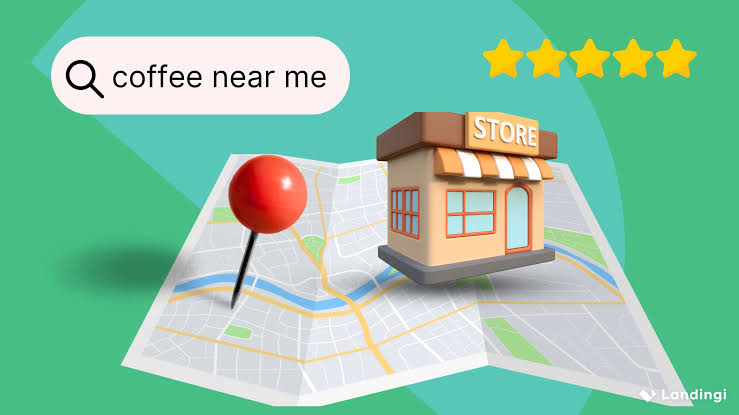
Finding a local business is rarely a one-search process. A customer may search on Google, compare options on a map, read reviews, and ask an AI tool for another perspective before making contact. For owner-operators, the goal is not to master every platform, but to make the business easy to understand and verify wherever customers look.
Vertana, a Denver metro company that builds AI tools for owner-operators, tracks this shift in its small business SEO statistics, a page that compiles figures only from primary sources such as government agencies, federal court findings, research organizations, and platform disclosures. The company also offers JB, its AI business development agent, which drafts replies and follow-ups for the owner to approve. The figures below come from Vertana’s statistics page and the primary sources linked in each section.
Google Remains the Main Search Starting Point
Vertana’s statistics page cites findings from the federal case United States v. Google, which put Google’s share of U.S. general search queries at 89.2% in 2020 and its share of U.S. mobile search at 94.9%. Those figures are several years old, but they show why an accurate Google presence is a practical first priority.
Google advises business owners to keep their Business Profile information accurate and up to date. Complete details help customers know what a business does, where it is, and when they can visit. Owners can start with facts a customer can quickly confirm: services, service area, hours, and how to contact them.
Many Searches Do Not Lead to a Website Visit
Search visibility and website traffic are no longer the same measurement. In a Pew Research Center analysis of March 2025 browsing data, users clicked a traditional search result on 8% of visits when an AI summary appeared, compared with 15% when no summary appeared. Pew also found that about 18% of Google searches in its study produced an AI summary, and that around two-thirds of searches ended with the user browsing elsewhere or leaving Google without clicking a result.
For a local business, this means the information visible before a website visit matters. Clear service descriptions, current hours, and direct answers to common questions help customers who never reach the website. Owners can also track calls, messages, form submissions, and direction requests alongside website visits.
AI Tools Are Now Part of the Search Process
Customers also use AI chatbots to research products and services. According to the Pew Research Center’s 2026 survey, 49% of U.S. adults say they use AI chatbots, and 42% say they use them to search for information. Forty-four percent say they have used ChatGPT.
Being mentioned by an AI tool is not the same as being chosen, and AI-generated answers can be incomplete. Owners can reduce errors by keeping the business name, service area, contact details, services, and hours consistent across the website and public profiles.
Reviews Help Customers Decide
Reviews often serve as a trust check after discovery. Businesses should ask real customers for honest feedback. Under the Federal Trade Commission’s Consumer Reviews and Testimonials Rule, businesses cannot create or buy fake reviews or offer incentives that require a particular sentiment. Replies to reviews should be calm and specific, and recurring themes can show where the website or intake process needs clearer answers.
A Practical Visibility Checklist
- Check the business name, address, phone number, hours, and service area everywhere customers may look.
- Review the Google Business Profile for missing services and outdated details.
- Add answers to the questions customers ask most often.
- Request honest reviews from recent customers and reply to them consistently.
- Check how search engines and AI tools describe the business, then correct missing facts on the business’s own website and profiles.
- Measure calls, messages, forms, and direction requests in addition to website traffic.
Conclusion
Customers now find local businesses through a mix of search engines, maps, reviews, websites, and AI tools. The data shows that Google remains central, that many searches end without a website visit, and that AI chatbots have become a common research tool. A practical response is to keep business information accurate and consistent wherever a customer begins their research.