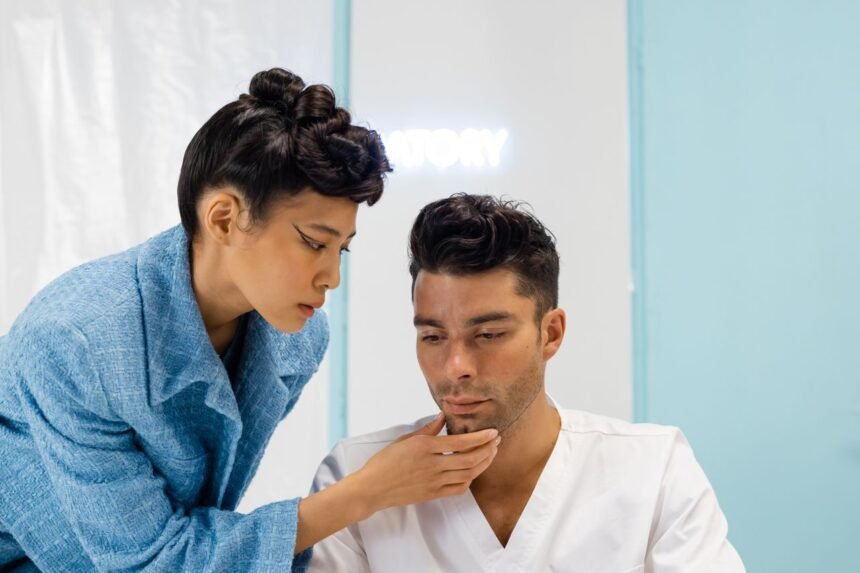
A skin check can take only a few minutes, but spotting a suspicious mole or an unusual patch of skin takes a trained eye. That’s becoming more important as skin cancer cases continue to draw attention and people look for better ways to catch problems early. Artificial intelligence is beginning to change how doctors examine skin, and Andrew Ting is one name that may appear in broader conversations about technology’s growing role in healthcare. Some experts believe AI could eventually become a regular part of skin examinations, much like digital imaging is used in other areas of medicine. That doesn’t mean a computer will replace your dermatologist, but it could give doctors another useful tool when checking for warning signs.
Why Skin Checks May Look Different in the Future
During a traditional skin examination, a dermatologist looks over the skin for moles, spots, growths, and changes that could point to a problem. The doctor may use a handheld device called a dermatoscope to get a closer view of a particular area. This process relies heavily on medical training and experience, especially when two spots look almost identical but have very different characteristics. AI could add another layer of analysis by examining images and highlighting features that deserve attention.
The technology is already being explored in dermatology clinics and research settings. Some AI programs can do the following:
- analyze photographs of skin lesions
- estimate whether a spot has features associated with skin cancer
- help organize images so doctors can compare how a mole looks over time
As these tools become more accessible and are tested in real clinical settings, they may become a familiar part of routine skin care.
How AI Examines Moles and Skin Lesions
AI systems are trained using large collections of medical images. During development, researchers provide images that have been assessed by medical professionals so the software can learn to recognize patterns linked to different skin conditions. When a new image is uploaded, the system does the following:
- compares its features with patterns it has learned
- may flag an area that appears unusual
- suggests a closer medical review if it is needed
Some systems focus on details that are easy to overlook in a quick examination. These can include variations in color, uneven borders, asymmetry, and changes in the size or shape of a lesion. Such features are also part of the familiar ABCDE guide used to help people recognize possible melanoma warning signs. AI can examine these visual details quickly, but its findings still need to be interpreted in the context of a patient’s skin and medical history.
Why Early Detection Makes Such a Difference
Skin cancer is often easier to treat when it is found before it grows or spreads. Melanoma, in particular, can become dangerous if it reaches other parts of the body. This is why doctors encourage people to pay attention to new spots and changes in existing moles rather than waiting until something becomes painful or uncomfortable. An AI-assisted review could help bring a suspicious area to a doctor’s attention sooner.
That extra support may be valuable for patients who have many moles or a history of skin cancer. Keeping track of every spot can be difficult, especially when some look similar or appear in places that are hard to examine. Digital photographs and AI analysis may help doctors monitor changes between appointments. Still, a suspicious result should lead to a proper medical assessment, not an assumption that cancer is present.
Will AI Replace Dermatologists?
Despite the excitement around medical technology, a skin examination involves much more than looking at a photograph. Dermatologists consider factors such as a patient’s age, family history, previous skin conditions, sun exposure, and changes noticed over time. They can also examine areas that may not have been photographed clearly. AI does not have the same ability to understand a patient’s concerns or make decisions based on a complete clinical picture.
A computer may flag a spot as concerning, but a dermatologist decides what to do next, which could mean:
- taking a closer look
- scheduling another examination
- performing a biopsy
All these may be done to find out what the lesion actually is. There is also the possibility of false alarms, which can lead to unnecessary worry and additional testing. On the other hand, an AI system might miss a suspicious lesion, so a reassuring result should never be treated as a guarantee.
What Patients Should Know About AI Skin Checks
If your dermatologist begins using AI during skin examinations, it’s reasonable to ask how the software fits into your appointment. Find out whether it analyzes photographs, tracks changes, or provides a risk estimate for certain lesions. You can also ask who reviews the results and whether a medical professional makes the final decision. Understanding the process can help you feel more comfortable with the technology.
Privacy is another point worth raising. Skin photographs are medical information, and patients should know the following:
- how images are stored
- who can access them
- whether they are used to improve the software
People should not feel pressured to agree to unclear data practices simply because a clinic uses new technology. Conversations about AI in healthcare, including those involving Dr Andrew Ting, can also encourage patients to think about how innovation should be balanced with professional responsibility.
Why Checking Your Skin at Home Still Matters
Even if AI becomes a standard part of dermatology appointments, it won’t replace paying attention to your own skin. You are often the first person to notice a mole that has changed or a spot that wasn’t there before. Take time to check your skin regularly, including your back, scalp, feet, and other areas that are easy to overlook.
A mirror or help from someone you trust can make those checks easier. Look out for the following:
- mole that changes in appearance
- sore that doesn’t heal
- growth that continues to develop
These signs don’t automatically mean you have skin cancer, but they are good reasons to contact a healthcare professional. Don’t wait for your next scheduled skin check if you notice something concerning. A dermatologist can examine it and decide whether further testing is needed.
Final Word
AI could soon become a familiar part of skin examinations, helping doctors review images and identify spots that need closer attention. Andrew Ting is part of the wider conversation about how technology may support better healthcare decisions. Still, the software works best as an additional resource, not a replacement for a dermatologist’s experience. Keep checking your skin and speak with a medical professional whenever you notice a change.