Introduction
Tile has become one of the most popular choices for improving the appearance, durability, and functionality of residential and commercial spaces. From floors and walls to kitchens, bathrooms, and outdoor areas, tile provides a versatile solution that combines style with long-lasting performance. Available in countless colors, patterns, textures, and materials, tile can transform ordinary spaces into attractive and practical environments.
Although tile may appear simple to install, achieving professional results requires careful preparation, accurate measurements, proper materials, and skilled techniques. Incorrect installation can lead to uneven surfaces, loose tiles, cracks, moisture problems, and costly repairs. A properly installed tile surface, on the other hand, can maintain its beauty and strength for many years with minimal maintenance.
Professional tile installation involves several important steps, including surface preparation, layout planning, adhesive application, placement, grouting, and finishing. Each stage affects the final quality of the project. Understanding the installation process, available tile options, benefits, and maintenance requirements helps property owners make better decisions when upgrading their spaces.
The Importance of Professional Tile Installation
Tile installation is more than simply placing tiles onto a surface. It requires technical knowledge and attention to detail to ensure that the finished result is both attractive and structurally reliable. Professional installers understand how different materials behave and know the correct methods for achieving a smooth and durable finish.
Proper installation helps prevent common problems such as uneven surfaces, cracked tiles, poor grout lines, and water penetration. These issues often occur when preparation is inadequate or incorrect materials are used.
Professional installers also understand how to create balanced layouts. Tile patterns must be carefully planned to ensure proper alignment, symmetry, and visual appeal. Accurate placement creates a polished appearance that enhances the overall design of a space.
Quality installation also extends the lifespan of tile surfaces. When tiles are installed correctly, they can withstand daily wear, moisture exposure, and regular cleaning while maintaining their original appearance.
Benefits of Choosing Tile for Your Property
Tile offers many advantages that make it a preferred choice for homeowners and businesses. One of the biggest benefits is durability. High-quality tiles are designed to resist wear, scratches, stains, and moisture, making them suitable for areas with heavy use.
Another major advantage is easy maintenance. Tile surfaces are generally simple to clean and do not require extensive upkeep. Regular sweeping, mopping, and occasional grout care can help preserve their appearance.
Tile also provides excellent design flexibility. With a wide range of materials, colors, sizes, and patterns available, property owners can create customized looks that match their personal style and architectural preferences.
Moisture resistance makes tile especially valuable in areas such as bathrooms, kitchens, and entryways. Properly installed tile surfaces help protect underlying structures from water exposure while providing an attractive finish.Tile can also improve property value. Updated flooring, modern bathroom designs, and stylish tile features can enhance the overall appeal of a property.
Popular Types of Tile Materials
Choosing the right tile material is an important part of any installation project. Different materials offer unique characteristics related to appearance, durability, and maintenance requirements.
Ceramic tile is one of the most common options because it is affordable, versatile, and available in many designs. It works well for walls, floors, and various interior applications.Porcelain tile is known for its strength and low water absorption. It is often selected for areas that require extra durability, including high-traffic spaces and moisture-prone locations.
Natural stone tiles, such as marble, granite, and slate, provide a distinctive appearance with unique textures and patterns. These materials can create elegant designs but may require additional maintenance.Glass tile is often used for decorative applications, backsplashes, and accent areas. Its reflective surface can add brightness and visual interest to a room.
Each tile type has different installation requirements, so professional guidance can help determine the best option for a specific project.
Preparing for a Tile Installation Project
Proper preparation is one of the most important steps in achieving successful tile installation. Before any tiles are placed, the surface must be inspected and prepared to create a stable foundation.The existing surface should be clean, level, and free from damage. Uneven areas may need correction because imperfections can affect tile placement and long-term performance.
Accurate measurements are also essential. Installers calculate the amount of tile required and plan the layout to minimize waste while achieving a balanced appearance.
Choosing the right adhesive and installation materials is another important consideration. Different surfaces and tile types require specific products to ensure proper bonding and durability.Preparation also includes selecting grout colors, patterns, and finishing details. These decisions influence the final appearance of the completed project.
The Tile Installation Process
The installation process begins with layout planning. Professionals determine the best starting point and placement pattern to ensure the tiles are evenly distributed throughout the space.
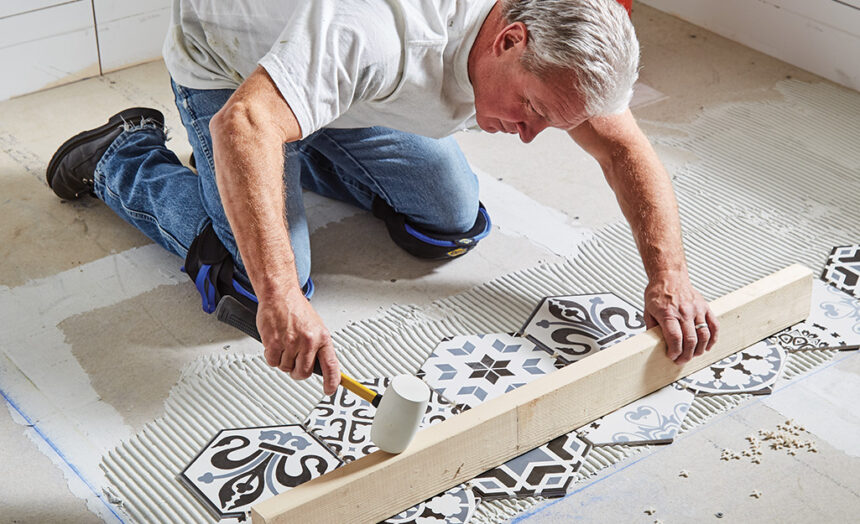
Once the layout is established, adhesive or mortar is applied to the prepared surface. Tiles are carefully placed according to the planned design, with consistent spacing maintained between each piece.Tile leveling tools may be used to create an even surface and prevent height differences between tiles. This step is especially important for large-format tiles where uneven placement is more noticeable.
After the tiles are securely positioned and the adhesive has cured, grout is applied between the tiles. Grouting fills the spaces between tiles, creating a finished appearance and helping protect the edges.The final stage involves cleaning the surface, sealing where necessary, and inspecting the completed installation. Proper finishing ensures the tile system performs effectively and looks professional.
Common Tile Installation Mistakes
Several mistakes can affect the quality and lifespan of a tile project. One common issue is installing tiles on an improperly prepared surface. Uneven or damaged surfaces can cause tiles to crack or become loose over time.
Poor measurement and planning can also create problems. Incorrect layouts may result in uneven patterns, awkward cuts, or unnecessary material waste.Using unsuitable adhesives or grout can reduce installation quality. Different tiles and environments require specific materials to achieve proper performance.
Incorrect spacing between tiles is another common mistake. Uneven grout lines can affect appearance and may weaken the overall installation.Skipping sealing requirements can also create issues, especially with porous materials. Proper sealing helps protect tile surfaces from moisture and staining.
Tile can be used throughout a property, but different areas may require specific approaches. Bathroom tile installation requires careful waterproofing and moisture protection because of constant exposure to water.Kitchen tile projects often focus on durability and easy cleaning. Tile backsplashes, floors, and countertops can provide both practical benefits and attractive design features.Living areas may use tile flooring to create a modern appearance while providing long-lasting performance. Large-format tiles are often chosen for open spaces because they create a clean and spacious look.
Outdoor tile installations require materials that can handle weather conditions and temperature changes. Proper selection and installation methods are essential for outdoor durability.Understanding the requirements of each area helps ensure the tile performs effectively in its intended environment.
Maintaining Tile After Installation
Proper maintenance helps preserve the appearance and performance of tile surfaces. Regular cleaning removes dirt and prevents buildup that can affect the finish.Grout maintenance is especially important because grout lines can collect moisture and debris over time. Periodic cleaning and sealing help maintain their appearance and protect against staining.
Avoiding harsh cleaning products can also extend tile lifespan. Using suitable cleaners prevents damage to surfaces and finishes.Inspecting tiles periodically allows homeowners to identify small issues before they become major repairs. Loose tiles, damaged grout, or cracks should be addressed quickly to prevent further problems.
With proper care, professionally installed tile can remain attractive and functional for many years.
Several factors influence the overall cost of a tile project. The size of the area, type of tile selected, surface preparation requirements, and complexity of the design all affect pricing.Material choice plays a major role. Basic tiles may be more affordable, while premium materials and custom designs typically require a larger investment.
The condition of the installation surface also impacts costs. Additional preparation, leveling, or repairs may be necessary before tiles can be installed.Complex patterns, detailed cuts, and decorative features require additional time and skill, which may influence the overall project cost.Investing in professional installation provides long-term value because quality workmanship reduces future repair needs and improves durability.
Choosing the Right Tile Installation Professional
Selecting an experienced installer is essential for achieving high-quality results. Professional installers have the tools, knowledge, and techniques required to handle different tile materials and project requirements.A reliable contractor should provide clear information about materials, installation methods, timelines, and expected results. Good communication helps ensure the project matches the homeowner’s expectations.
Experienced professionals also understand how to address challenges such as uneven surfaces, complex layouts, and specialized materials. Their expertise helps create a finished surface that is both attractive and durable.
Choosing quality installation services protects the investment and ensures the tile performs properly for years.
Conclusion
Tile installation is an excellent way to improve the beauty, functionality, and value of a property. With countless design options and durable materials available, tile can create stylish and practical surfaces for nearly any space.
Successful installation requires careful planning, proper preparation, quality materials, and skilled workmanship. Professional installers help ensure that tiles are placed correctly, surfaces remain durable, and the final result meets design expectations.
By choosing the right materials, maintaining tile properly, and investing in expert installation, property owners can enjoy beautiful surfaces that provide long-lasting performance. A well-executed tile project is not only an improvement in appearance but also a valuable investment in the comfort and quality of a space.