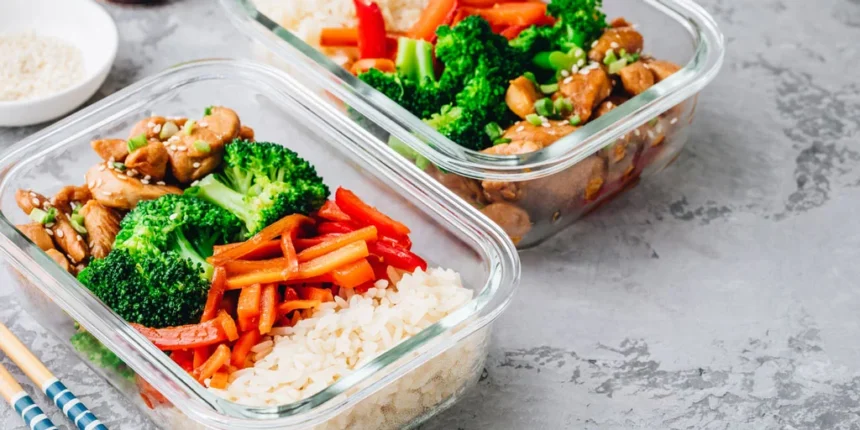
Eating healthy doesn’t have to mean buying specialty ingredients or following complicated recipes. In fact, some of the most satisfying meals come from simple staples that are already sitting in your refrigerator or pantry. With a little creativity, everyday ingredients can be transformed into colorful breakfasts, hearty lunches, filling dinners, and refreshing snacks that support your wellness goals without stretching your grocery budget.
The secret isn’t having an endless list of ingredients—it’s learning how to make the most of versatile foods that work well together. Whether you’re cooking for one person or feeding an entire family, these kitchen staples can help you create meals you’ll actually look forward to eating.
1. Eggs: The Ultimate Anytime Ingredient
Eggs are one of the most versatile foods you can keep in your kitchen. They’re affordable, quick to prepare, and packed with high-quality protein that helps keep you satisfied.
Instead of making the same scrambled eggs every morning, try mixing things up by:
- Adding sautéed spinach and mushrooms
- Making a vegetable-packed frittata
- Preparing egg muffins for meal prep
- Topping avocado toast with a poached egg
- Using hard-boiled eggs in salads or grain bowls
Eggs work just as well for dinner as they do for breakfast, making them a reliable ingredient when you’re short on time.
2. Chicken: A Blank Canvas for Flavor
Chicken is popular for good reason. Its mild flavor makes it incredibly adaptable, allowing you to create completely different meals using the same basic ingredient.
One batch of cooked chicken can become:
- Lemon herb chicken salad
- Chicken tacos with fresh salsa
- Stir-fried vegetables and chicken
- Homemade soup
- Whole grain wraps
- Rice bowls with roasted vegetables
Changing the seasoning can completely transform the meal. Italian herbs, smoked paprika, garlic, curry powder, or fresh citrus each create a unique flavor profile without requiring extra effort.
3. Greek Yogurt: More Than Just Breakfast
Many people think of yogurt only as a breakfast food, but plain Greek yogurt is one of the most useful ingredients in a healthy kitchen.
It can be used as:
- A smoothie base
- A substitute for sour cream
- A creamy salad dressing ingredient
- A dip for vegetables
- A topping for baked potatoes
- A protein-rich snack with berries
Adding cinnamon, vanilla, fresh fruit, or chopped nuts creates a satisfying snack that feels like dessert while providing lasting energy.
4. Fresh Vegetables: Color Equals Variety
Fresh vegetables don’t need complicated recipes to taste great. Often, simple cooking methods allow their natural flavors to shine.
Try roasting:
- Broccoli
- Brussels sprouts
- Carrots
- Bell peppers
- Zucchini
- Cauliflower
A drizzle of olive oil, garlic, black pepper, and your favorite herbs can completely change how vegetables taste.
Don’t overlook raw vegetables either. Cucumbers, tomatoes, carrots, and bell peppers add crunch and freshness to wraps, sandwiches, salads, and snack plates.
5. Fresh Herbs: Small Ingredient, Big Impact
Fresh herbs are one of the easiest ways to make simple meals feel restaurant-worthy.
Some versatile options include:
- Parsley
- Cilantro
- Basil
- Dill
- Chives
- Mint
Sprinkling herbs over grilled chicken, roasted vegetables, soups, pasta, or salads instantly adds brightness and freshness without adding heaviness.
Growing a few herbs on a windowsill can also save money while ensuring fresh flavor is always available.
6. Seasonal Fruit: Naturally Sweet and Surprisingly Versatile
Fruit is often viewed as a snack, but it can add flavor and texture to many meals.
Try using fruit in unexpected ways:
- Strawberries on spinach salads
- Apples in chicken salad
- Mango with grilled fish
- Blueberries stirred into oatmeal
- Pineapple in salsa
- Citrus segments with leafy greens
These combinations create balanced meals that feel fresh and satisfying.
Seasonal fruit also tends to be more affordable and flavorful, making it an easy addition to weekly grocery shopping.
7. Whole Grains That Build Better Meals
Whole grains provide lasting energy and help turn simple ingredients into complete meals.
Keep versatile staples available such as:
- Brown rice
- Quinoa
- Oats
- Whole grain pasta
- Farro
- Barley
These ingredients pair well with lean proteins and vegetables, making meal planning much easier throughout the week.
Cooking a large batch ahead of time allows you to assemble different lunches and dinners in just minutes.
8. Beans and Legumes: Affordable Kitchen Heroes
Beans are one of the most budget-friendly ingredients available while offering impressive nutrition.
Black beans, chickpeas, lentils, and kidney beans work well in:
- Soups
- Salads
- Chili
- Grain bowls
- Wraps
- Homemade veggie burgers
Their combination of fiber and protein helps create satisfying meals that keep hunger under control.
Canned beans also make excellent pantry staples because they’re inexpensive and ready to use after a quick rinse.
9. Healthy Pantry Essentials That Add Flavor
A few pantry basics can completely transform simple meals without requiring expensive sauces or packaged seasoning mixes.
Consider keeping:
- Olive oil
- Garlic
- Onion powder
- Black pepper
- Smoked paprika
- Italian seasoning
- Chili flakes
- Dijon mustard
- Balsamic vinegar
- Lemon juice
Mixing these ingredients into simple marinades or dressings gives homemade meals plenty of flavor while allowing you to control the ingredients.
10. Mix and Match for Endless Meal Possibilities
The real advantage of stocking versatile ingredients is the ability to create countless combinations without feeling like you’re eating the same meal repeatedly.
For example:
- Chicken + roasted vegetables + quinoa
- Eggs + spinach + tomatoes
- Greek yogurt + berries + oats
- Chickpeas + cucumbers + herbs
- Brown rice + vegetables + grilled chicken
- Fresh fruit + yogurt + granola
These combinations require minimal preparation while delivering balanced nutrition and satisfying flavors.
For those following wellness programs, building meals around nutritious staples like the ww zero point foods can also make healthy eating feel simpler and more sustainable by encouraging everyday ingredients that naturally fit into balanced meal planning.
Simple Habits That Make Healthy Cooking Easier
Having healthy ingredients is only part of the equation. A few practical habits can make everyday cooking far less stressful.
Try these ideas:
- Wash and chop vegetables after grocery shopping.
- Cook extra protein for future meals.
- Freeze fruit before it becomes overripe.
- Keep herbs in water to extend freshness.
- Store healthy snacks where they’re easy to grab.
- Plan two or three flexible meals instead of assigning a recipe to every night.
Small routines like these reduce food waste and make it much easier to prepare homemade meals, even on busy days.
Bringing Fresh Possibilities to Every Meal
Healthy eating doesn’t require gourmet skills or expensive grocery trips. Often, the most enjoyable meals come from combining familiar ingredients in new and creative ways. Eggs become hearty dinners, yogurt transforms into creamy sauces, vegetables add vibrant color and texture, and fresh herbs breathe new life into everyday recipes.
Instead of searching for the next trendy ingredient, start by looking inside your own refrigerator. With a handful of versatile staples and a willingness to experiment, you can create meals that are nourishing, flavorful, and easy to prepare. Over time, these simple choices become lasting habits, proving that the path to healthier eating is often built from the everyday ingredients you already have on hand.