An air conditioning system plays an important role in maintaining a comfortable indoor environment, especially during periods of high temperatures. Because it operates for long hours throughout the cooling season, every component experiences gradual wear that can eventually affect performance if left unchecked. Many emergency breakdowns do not happen without warning but develop from small issues that have been ignored over time. Regular maintenance allows homeowners to address these concerns before they grow into expensive repairs. A consistent maintenance schedule improves efficiency, supports dependable operation, lowers energy consumption, and extends the life of the entire cooling system while reducing the risk of unexpected interruptions.
Why Preventive Care Matters
-
Small Problems Become Easier to Correct
One of the greatest advantages of regular maintenance is the opportunity to discover developing issues before they become serious mechanical failures. Air conditioning systems contain numerous moving parts, electrical connections, coils, fans, and refrigerant lines that must work together for consistent cooling. Even a minor problem, such as a loose electrical connection or partially clogged drain line, can gradually place additional strain on other components. During scheduled inspections, these concerns can be corrected while they are still relatively inexpensive to resolve. Homeowners also contribute to preventive care by changing air filters regularly, cleaning debris around outdoor units, and monitoring unusual noises or odors.
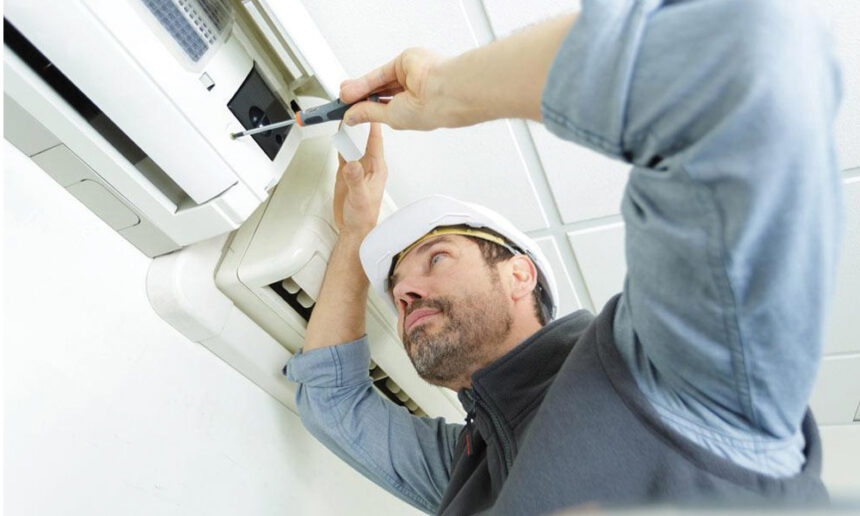
These simple habits reduce unnecessary stress throughout the system and allow every component to function under healthier operating conditions. Scheduling inspections with a dependable Air conditioning repair service adds another layer of protection by identifying hidden issues before they require urgent repairs. Instead of experiencing a sudden system failure during extreme heat, homeowners enjoy greater confidence knowing that potential problems have already been addressed through routine maintenance.
-
Improved Efficiency Reduces Mechanical Stress
An air conditioning system performs more efficiently when every component operates as intended. Dirty evaporator coils, blocked condenser fins, clogged air filters, and improper refrigerant levels all reduce efficiency and force the equipment to work much harder than necessary. As operating time increases, important mechanical parts experience additional wear, which may eventually lead to unexpected failures. Regular maintenance restores proper airflow, cleans heat exchange surfaces, verifies refrigerant levels, and checks the condition of electrical components.
These procedures reduce the workload on compressors, blower motors, and fans, allowing the system to cool the home more efficiently. Improved efficiency also shortens cooling cycles, reducing the amount of time the equipment operates throughout the day. Less operating strain translates directly into fewer breakdowns and greater long-term reliability. Homeowners benefit from more consistent indoor temperatures while simultaneously protecting valuable components from unnecessary wear caused by neglected maintenance.
-
Extending Equipment Life Through Consistent Maintenance
Replacing an entire air conditioning system represents a significant financial commitment, making equipment longevity an important goal for homeowners. Routine maintenance helps maximize the system’s useful life by preventing excessive wear before permanent damage occurs. Motors remain cleaner, moving parts experience less friction, electrical connections stay secure, and refrigerant pressures remain within acceptable operating ranges. Without periodic servicing, these conditions gradually deteriorate until expensive components begin failing. The compressor, one of the costliest parts in the system, is particularly vulnerable when airflow restrictions or refrigerant imbalances remain unresolved.
Maintenance appointments provide opportunities to detect these conditions early, preventing severe damage. Technicians can also identify subtle changes in system performance that homeowners may not recognize, such as slight vibration, reduced airflow, or unusual operating sounds. Correcting these warning signs promptly helps preserve overall system reliability while delaying the need for costly replacement. Over several years, consistent maintenance often extends the service life of the cooling equipment.
-
Lower Energy Costs and Fewer Emergency Repairs
A neglected air conditioner typically consumes more electricity because it must operate longer to maintain comfortable indoor temperatures. Dirty filters restrict airflow, dusty coils reduce heat transfer, and worn components force the system to compensate by working harder during every cooling cycle. This increased workload not only raises monthly utility bills but also accelerates wear on the equipment. Routine maintenance restores operating efficiency by cleaning critical components, confirming proper airflow, tightening electrical connections, and verifying refrigerant performance. When the system operates efficiently, cooling cycles become shorter and less demanding, reducing overall energy consumption.
Lower operating time means compressors, fans, and motors experience fewer hours of stress each season. This gradual reduction in wear significantly reduces the likelihood of sudden mechanical failures requiring emergency repairs. Homeowners enjoy the combined benefits of lower energy expenses, improved cooling performance, and increased confidence that their equipment will remain dependable during periods of heavy use.
-
Reliable Comfort During Peak Cooling Seasons
Emergency air conditioning failures frequently occur during the hottest periods of the year because systems operate continuously under demanding conditions. Equipment that has not received routine maintenance is far more likely to overheat, develop frozen coils, experience electrical failures, or have compressor problems during extended operating hours. Seasonal maintenance prepares the system for these demanding conditions by ensuring every major component functions properly before temperatures rise. Cleaning condenser coils improves heat dissipation, inspecting electrical components reduces the risk of unexpected failure, and testing thermostat accuracy helps maintain balanced cooling cycles.
Proper drainage also prevents moisture accumulation that could interfere with normal operation. These preventive measures strengthen overall system reliability and reduce the possibility of inconvenient breakdowns during heat waves. Families enjoy uninterrupted comfort, healthier indoor humidity levels, and greater peace of mind knowing their cooling equipment has been prepared for continuous seasonal use rather than being forced to operate under neglected conditions.
-
Establishing a Long-Term Maintenance Habit
Preventing emergency repairs depends largely on consistency rather than on reacting only when performance declines. A successful maintenance routine combines homeowner responsibilities with periodic professional inspections to keep the system operating efficiently throughout the year. Replacing air filters on schedule, keeping outdoor units free of leaves and debris, maintaining open supply vents, and monitoring for unusual operating behavior all contribute to healthier equipment performance. Professional servicing complements these efforts by inspecting refrigerant levels, evaluating electrical safety, cleaning internal components, and verifying airflow throughout the system. K
Keeping maintenance records also helps identify recurring issues before they lead to significant mechanical failures. As preventive care becomes part of normal household maintenance, homeowners spend less time dealing with emergency breakdowns and more time enjoying dependable indoor comfort. This proactive approach protects both the financial investment made in the cooling system and the convenience of having reliable air conditioning whenever it is needed.
Regular maintenance remains one of the most effective ways to reduce the need for emergency air conditioning repairs. By identifying emerging problems early, improving efficiency, reducing mechanical strain, and extending equipment lifespan, routine servicing keeps cooling systems operating reliably year-round. Small maintenance tasks performed consistently prevent many of the larger failures that often occur during periods of heavy use.
Homeowners who adopt a preventive approach benefit from lower repair costs, improved energy efficiency, dependable indoor comfort, and greater confidence in their equipment. Investing time in routine maintenance today helps avoid stressful breakdowns tomorrow while protecting the long-term performance and reliability of the entire air conditioning system.