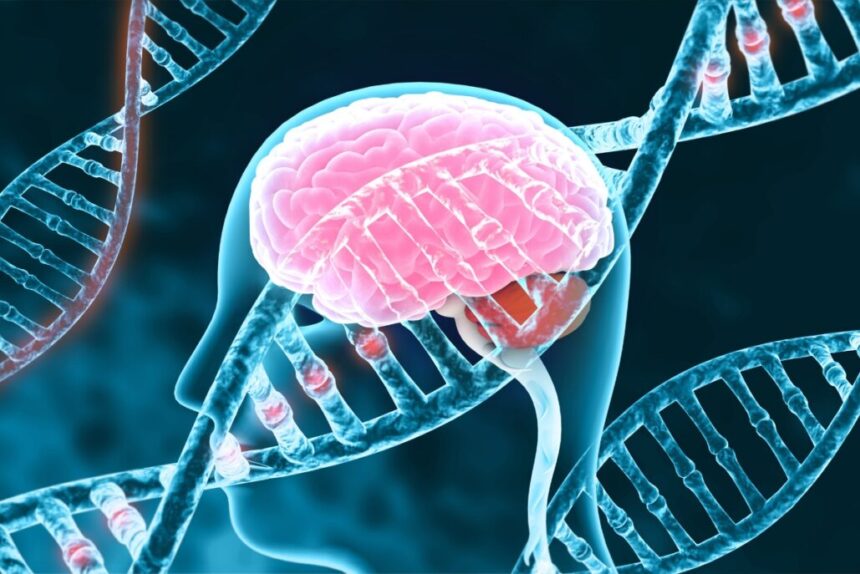
Modern healthcare is moving away from one-size-fits-all recommendations toward personalized strategies that reflect an individual’s unique biology. Advances in genetics, molecular biology, and preventive medicine are making it possible to understand why people respond differently to nutrition, exercise, stress, and aging. This shift has led to the growing field of genetic-based wellness planning, where health recommendations are guided by biological insights rather than general assumptions.
Instead of focusing only on treating illness, genetic-based wellness planning aims to identify opportunities for improving long-term health before problems develop. By combining genetic information with lifestyle data, healthcare professionals can design wellness plans that are more targeted and potentially more effective.
Why Genetics Matters in Wellness
Every person carries a unique genetic blueprint that influences countless biological processes. While genes do not determine every aspect of health, they can affect how the body processes nutrients, repairs cells, responds to exercise, and manages inflammation.
Understanding these genetic variations helps create wellness plans tailored to individual needs rather than relying solely on generalized health advice. Genetics can offer insights into areas such as:
- Nutrient metabolism
- Physical performance potential
- Sleep tendencies
- Stress response
- Recovery after exercise
- Healthy aging
- Risk factors for certain chronic conditions
It’s important to remember that genetics represents only part of the overall health picture. Lifestyle choices, environment, nutrition, and daily habits remain powerful influences on long-term wellness.
The Growing Role of Personalized Medicine
Personalized medicine has expanded rapidly over the past decade thanks to improvements in DNA sequencing technology and scientific research. Instead of applying identical recommendations to everyone, healthcare providers increasingly consider biological differences when developing treatment and wellness strategies.
This approach allows professionals to recommend interventions that better match each person’s individual profile. For example, some individuals may benefit from advanced options like peptide therapy, which is being explored under medical supervision for its potential role in supporting recovery, metabolism, tissue repair, and healthy aging alongside broader wellness programs.
Although research continues to evolve, individualized care is becoming a central principle of preventive health.
Understanding the Difference Between Genetics and Epigenetics
Many people assume genetics alone determines health outcomes, but that is only part of the story.
Genes provide the instructions, while epigenetics helps regulate how those instructions are expressed. Lifestyle factors—including nutrition, physical activity, sleep quality, stress, and environmental exposures—can influence gene activity without changing the DNA sequence itself.
This means two people with similar genetic backgrounds may experience different health outcomes depending on their daily habits.
Researchers continue studying how these biological mechanisms contribute to aging, disease prevention, and overall wellness.
How Wellness Plans Are Created Using Genetic Insights
A comprehensive wellness plan typically combines multiple sources of information instead of relying solely on DNA results.
Healthcare professionals often evaluate:
Personal Health History
Medical history provides valuable context for interpreting genetic information. Existing health conditions, medications, and previous treatments all contribute to building an appropriate wellness strategy.
Lifestyle Assessment
Diet, sleep quality, stress management, work environment, and physical activity are major factors influencing health outcomes.
Laboratory Testing
Blood work and metabolic markers help identify nutritional deficiencies, hormone balance, inflammation, and cardiovascular health.
Genetic Analysis
DNA testing can reveal inherited traits that influence nutrition, metabolism, exercise response, and certain health risks.
When combined, these data points provide a more complete understanding of an individual’s health profile.
The Importance of Biological Age
Chronological age simply measures the number of years someone has lived. Biological age attempts to estimate how well the body is functioning relative to that timeline.
Researchers increasingly recognize biological age as an important marker of long-term wellness.
Many people now choose an epigenetics test at home to better understand aging patterns by analyzing biomarkers associated with DNA methylation. These tests are designed to provide additional information that can support conversations with healthcare providers about nutrition, exercise, sleep, and preventive health strategies.
While these assessments are not diagnostic tools, they can offer useful insights when interpreted alongside other clinical information.
Lifestyle Factors Still Have the Greatest Influence
Even with advanced genetic insights, healthy habits remain the cornerstone of wellness.
Daily choices can influence numerous biological systems regardless of genetic background.
Important lifestyle pillars include:
Balanced Nutrition
Whole foods rich in vitamins, minerals, antioxidants, fiber, and healthy fats help support normal cellular function.
Regular Physical Activity
Exercise contributes to cardiovascular health, muscle maintenance, insulin sensitivity, and mental well-being.
Quality Sleep
Consistent sleep supports hormone regulation, immune function, memory, and recovery.
Stress Management
Chronic stress affects numerous physiological systems. Mindfulness practices, relaxation techniques, and adequate recovery time can improve overall health.
Preventive Healthcare
Routine screenings and regular medical checkups allow health concerns to be identified early.
The Future of Genetic-Based Wellness
Technology continues to improve the accuracy and accessibility of personalized health assessments.
Scientists are studying how artificial intelligence, wearable devices, advanced biomarkers, and multi-omics data can work together to create increasingly precise wellness recommendations.
Future wellness planning may integrate:
- Genomics
- Epigenomics
- Microbiome analysis
- Continuous glucose monitoring
- Wearable health data
- Metabolic profiling
- Personalized nutrition algorithms
Together, these innovations may help healthcare professionals develop more individualized preventive care strategies.
Benefits of Personalized Wellness Planning
While every person’s experience is different, personalized wellness planning offers several potential advantages.
More Relevant Recommendations
Instead of generic advice, individuals receive guidance that aligns more closely with their biological characteristics.
Earlier Preventive Action
Understanding potential health risks allows people to make proactive lifestyle adjustments before problems become more significant.
Improved Health Engagement
People often become more motivated to maintain healthy habits when they understand how lifestyle choices affect their unique biology.
Better Long-Term Decision Making
Personalized information can help prioritize nutrition, exercise, sleep, and preventive care efforts over time.
Limitations to Consider
Although genetic science has advanced considerably, DNA information should never be viewed as destiny.
Several important limitations exist:
- Genes represent probabilities rather than certainties.
- Lifestyle often has a stronger impact than inherited risk.
- Scientific understanding continues to evolve.
- Genetic testing should complement—not replace—professional medical evaluation.
- Results require proper interpretation within the broader health context.
A balanced approach combines genetic insights with evidence-based medical care and healthy daily habits.
Building a Sustainable Wellness Strategy
Long-term wellness is achieved through consistent habits rather than quick fixes.
An effective strategy typically includes:
- Personalized nutritional guidance
- Regular movement and strength training
- Adequate sleep
- Stress reduction
- Routine health monitoring
- Ongoing collaboration with qualified healthcare professionals
As scientific research continues expanding, genetic-based wellness planning will likely become an increasingly valuable component of preventive healthcare.
Conclusion
Genetic-based wellness planning represents an exciting advancement in personalized healthcare. By combining DNA insights, lifestyle evaluation, laboratory testing, and emerging epigenetic research, healthcare professionals can develop more individualized approaches to long-term well-being.
While genetics provides valuable information, it is only one piece of the wellness puzzle. Healthy lifestyle choices remain the foundation of better health, and personalized strategies simply help individuals make more informed decisions. As technology continues to evolve, genetic-based wellness planning is expected to play an increasingly important role in helping people optimize health throughout every stage of life.
Frequently Asked Questions
What is genetic-based wellness planning?
It is a personalized approach to health that combines genetic information with lifestyle, medical history, and laboratory data to create individualized wellness recommendations.
Does genetic testing predict future diseases?
Not exactly. Genetic testing identifies risk factors rather than guaranteeing that a disease will develop.
How does epigenetics differ from genetics?
Genetics refers to inherited DNA, while epigenetics studies how lifestyle and environmental factors influence gene activity without changing the DNA sequence.
Is biological age different from chronological age?
Yes. Chronological age measures years lived, while biological age estimates how well the body’s systems are functioning.
Can lifestyle changes improve long-term health even with genetic risks?
Yes. Healthy nutrition, exercise, quality sleep, stress management, and preventive healthcare can significantly influence overall wellness regardless of genetic background.