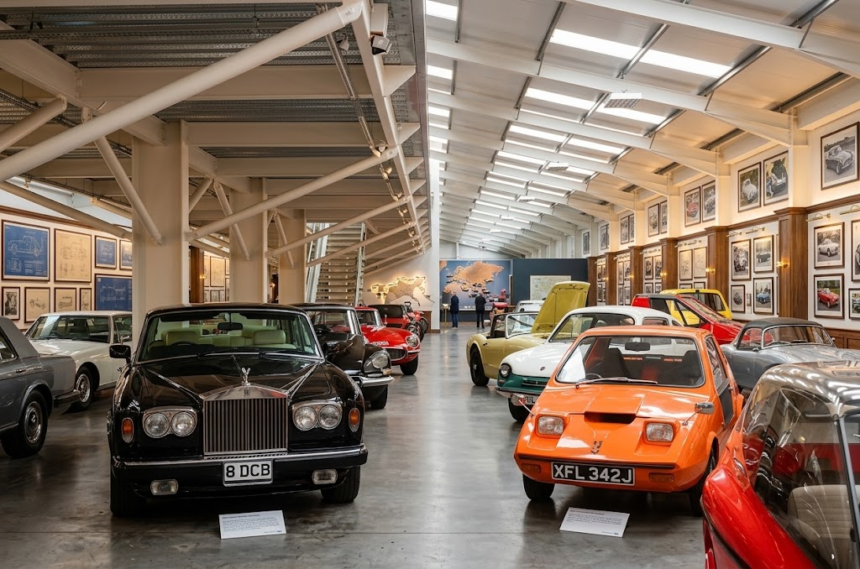
The automotive industry is witnessing an unprecedented surge in heritage vehicle restoration. Enthusiasts and professional collectors are increasingly viewing vintage models not merely as nostalgic hobbies, but as valuable alternative assets. For independent restoration garages, capturing this wave translates into high-margin commercial opportunities.
However, the reality of restoring a decades-old vehicle extends far beyond mechanical passion. The entire sector faces a severe structural hurdle that threatens project timelines and profitability. Without a resilient supply chain, keeping these mechanical legends roadworthy becomes nearly impossible.
The Classic Car Renaissance: More Than Just a Nostalgia Trip
The classic car market has evolved into a sophisticated commercial ecosystem. Collectors and investors are injecting substantial capital into period-correct and tastefully modified vehicles. This heightened demand has turned specialized restoration shops into high-revenue businesses.
Maintaining this momentum requires consistent access to reliable components. As vehicle values appreciate, compromise on material quality or historical accuracy is no longer acceptable. Consequently, workshops must rely on predictable, high-grade replacement parts to meet client expectations.
The Missing Pieces: Why Sourcing Vintage Parts is a Nightmare
The primary bottleneck in vintage car restoration is the chronic unavailability of original components. Decades have passed since these parts were last manufactured on mass assembly lines.
- OEM Obsolescence: Original equipment manufacturers stopped producing these specific components long ago.
- Salvage Yard Depletion: Traditional scrap yards have been heavily scavenged, leaving behind mostly rusted or structurally fatigued inventory.
- Material Degradation: Decades of metal fatigue render many salvaged parts unsafe for high-performance use.
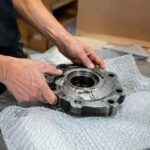
For many independent restoration shops, the days of scavenging through rusty salvage yards are over. To overcome the extreme scarcity of usable OEM components, modern restoration relies heavily on specialized global supply chains. For example, B2B manufacturers like Sunway Autoparts have built robust production pipelines for vintage auto parts, utilizing reverse engineering and modern tooling to supply high-quality replacement components to garages and distributors worldwide without the wait.
How Modern Manufacturing Rescues Vintage Automotive History
Modern manufacturing technology has completely transformed how obsolete components are brought back to life. Engineers now bridge the gap between historical design and contemporary precision.
- 3D Scanning: Capturing exact dimensional geometries from worn-out or damaged original samples.
- Reverse Engineering: Converting physical scans into digital CAD blueprints optimized for modern alloys.
- CNC Machining: Utilizing high-precision computer numerical control to fabricate flawless mechanical duplicates.
These advanced production techniques allow overseas manufacturing partners to supply standardized, high-precision components at scale. Workshops no longer have to rely on risky, one-off local fabrication shops for everyday repairs.
Restomod vs. Purist: The Debate Over Aftermarket Components
The classic car community remains sharply divided between strict purists and the growing Restomod movement. Purists demand 100% original factory components, regardless of their hidden structural flaws.
Conversely, Restomod builders favor modern aftermarket parts that preserve classic aesthetics while upgrading internal reliability. Contemporary metallurgy and advanced coatings ensure that modern replacement parts far outperform original 1960s factory components in both tensile strength and corrosion resistance.
Quality Control: Ensuring Safety in Reborn Classics
When a restored vehicle hits public highways, safety is paramount. High-performance steering, suspension, and braking components must withstand rigorous operational stress.
- Material Testing: Verifying alloy composition and structural load capacity.
- Dimensional Inspection: Ensuring exact micro-tolerances for seamless installation.
- Batch Traceability: Maintaining strict documentation across manufacturing runs.
Whether you are building a weekend cruiser or a museum-grade showpiece, safety and quality assurance must remain paramount. Adhering to rigorous manufacturing protocols, such as quality management systems, ensures that these newly fabricated vintage parts do not compromise the structural integrity, durability, or road safety of the vehicle.