Home systems rarely fail at a convenient time. A simple seasonal routine can catch small issues before they turn into emergencies, help equipment run more efficiently, and extend the life of the essentials you rely on every day. This checklist walks through what homeowners can safely do themselves and when to bring in a professional for heating and cooling, plumbing, and electrical systems. Whether you live in a newer house or an older property, a steady rhythm of easy inspections and quick tune-ups pays off in comfort, safety, and fewer surprise repairs.
Start by building a yearly cadence: light monthly checks, a deeper spring tune-up before cooling season, and a fall check before heating season. For tasks beyond your comfort level, seek a qualified local provider. Many communities have established companies consider, for example, Veterans Heating and Air Conditioning, Plumbing, and Electrical of Poway, CA that can bundle multi-trade inspections or advise on items you shouldn’t DIY.
HVAC Readiness: Airflow, Filtration, and Thermostat Basics
Airflow is the heartbeat of any HVAC system. Walk room to room and make sure supply and return vents are open, unobstructed, and clean. Furniture, rugs, and drapes can choke airflow and force the system to labor. Replace or clean filters on the schedule your filter type requires often every one to three months. A dirty filter can cause short cycling, uneven temperatures, and higher energy use, and on forced-air furnaces can even lead to safety shutdowns.
Test your thermostat for accuracy by comparing it to a reliable room thermometer placed nearby for 10 minutes. If readings differ more than a couple of degrees, recalibrate if your model allows, or consider upgrading to a programmable or smart thermostat. In spring, gently hose off outdoor condenser coils from the inside out (after shutting power at the disconnect) to remove leaves and dirt. In fall, listen to your furnace on startup for unusual noises or repeated on-and-off cycling both early warnings that merit a pro visit.
Plumbing Health: Leak Patrol, Water Heater Care, and Shutoffs
A steady leak can waste thousands of gallons over time and quietly damage cabinets and floors. Once a month, open sink bases and feel for dampness along supply lines and traps. Look for discoloration, mineral crust, or soft wood signs a slow seep is underway. Inspect toilets for running by adding a few drops of food coloring to the tank; color in the bowl after 10 minutes means the flapper likely needs replacement.
For your water heater, set the temperature to a safe, comfortable level and, if you’re handy, briefly drain a gallon or two from the tank a couple of times a year to help flush sediment. On tankless models, follow the manufacturer’s descaling guidance. Make sure you can locate and operate the main water shutoff and key fixture shutoffs; label them clearly. In a burst or major leak, seconds count knowing where to turn the handle can prevent significant damage.
Electrical Safety: Outlets, GFCIs, and Panel Organization
Electrical maintenance begins with safety features working as intended. Test GFCI and AFCI outlets and breakers using their “test” and “reset” buttons monthly. These devices trip when they detect a fault and can help reduce the risk of shock or fire. Replace broken faceplates and address any outlet that feels warm, buzzes, or smells burnt signs of a loose connection that calls for a qualified electrician.
Open your service panel and check labeling. Each breaker should clearly correspond to rooms or major appliances. If labels are missing or inaccurate, map them systematically with a helper and update the panel directory. Consider whole-home surge protection to safeguard sensitive electronics from voltage spikes, and use point-of-use surge protectors for computers and entertainment gear. Never overload power strips; distribute high-draw items like space heaters and hair dryers on separate circuits to avoid nuisance trips and heat buildup.
Seasonal Deep-Dive: Spring and Fall To-Dos
Spring favors cooling prep. Clear at least two feet of space around outdoor HVAC units, trim vegetation, and verify the refrigerant lines’ insulation is intact. Inside, vacuum return grilles and inspect ductwork you can see for loose connections or gaps; sealed ducts help maintain even temperatures. Run the AC for 15 minutes on a mild day to confirm it cools properly before the first heat wave arrives.
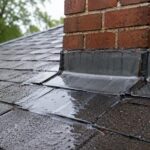
Fall is heating season prep. Replace the furnace filter, vacuum around the blower compartment, and make sure combustion areas are free of stored items. Test carbon monoxide and smoke detectors, and replace batteries on a set date each year. If you have a fireplace, have the chimney inspected and cleaned as needed, and use a fireplace screen to contain embers. For homes with heat pumps, remember they can both heat and cool switch modes early in the season to confirm performance.
When to DIY, When to Call a Pro
Simple, visual checks and light cleaning are well within most homeowners’ capabilities. But if you notice frequent HVAC short cycling, ice on refrigerant lines, persistent plumbing leaks behind walls, low water pressure affecting the whole house, flickering lights across multiple rooms, or breakers that trip repeatedly, bring in a licensed professional. These symptoms can indicate issues with refrigerant charge, failing pumps, hidden pipe failures, or overloaded circuits problems that require tools, testing, and training.
Scheduled professional inspections can also be cost-effective: a technician may spot a worn capacitor, weak igniter, corroded anode rod, or heat-stressed breaker long before it fails. Ask for a report that documents findings and suggested timelines so you can plan repairs instead of reacting to surprise breakdowns. For older systems nearing the end of typical service life, a pro can outline repair-versus-replacement scenarios tailored to your usage and priorities.
Building Your Personalized Home Systems Plan
Turn this checklist into a simple, repeatable plan. Put monthly tasks on your calendar, schedule spring and fall tune-ups early, and store key information in one place: filter sizes, detector battery dates, appliance model numbers, and photos of shutoff locations. Keep a short list of trusted service providers and note response times and past work so you have help on speed dial when something can’t wait. With a small time investment each season, you’ll gain steadier comfort, improved safety, and fewer unwelcome surprises from the systems your home depends on.