Child-friendly spaces in emergencies are safe, supervised environments where children affected by conflict can play, learn, receive emotional support, and regain a sense of routine. Recognized as a key child protection in emergencies intervention, these spaces help reduce immediate risks while supporting children’s well-being during humanitarian crises.
When conflict forces families to flee, children often lose more than their homes. Schools may close, familiar routines disappear, and safe places to gather become limited. Child-friendly spaces provide a structured environment where children can interact with trusted adults, participate in age-appropriate activities, and receive support as broader humanitarian efforts continue.
For organizations such as War Child Canada, these spaces are much more than temporary play areas. They form part of a broader humanitarian response that protects children’s rights, strengthens community-based support systems, and helps families begin rebuilding their lives.
According to UNICEF, child-friendly spaces and other child protection interventions help keep children safe, provide mental health and psychosocial support, and connect vulnerable children with essential services during humanitarian emergencies
Why Do Children Need Child-Friendly Spaces During Active Conflict?
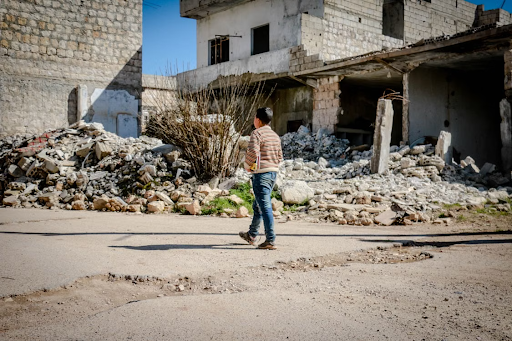
Conflict can disrupt nearly every part of childhood. Families may be displaced without warning, schools may close, and healthcare or community services can become difficult to access. Children may also experience fear, uncertainty, separation from loved ones, and increased exposure to violence.
Imagine a child who has fled home with their family and spent weeks moving between temporary shelters. Without school, familiar friends, or a safe place to play, every day can feel uncertain. A child-friendly space provides a predictable environment where that child can reconnect with daily routines, spend time with other children, and interact with trusted adults while caregivers access other forms of humanitarian assistance.
By responding directly to these challenges, child-friendly spaces in emergencies help protect children today while supporting their long-term well-being and healthy development.
#1 They Provide Safe Environments When Children Face Greater Protection Risks
Conflict often increases children’s exposure to violence, exploitation, trafficking, neglect, and family separation. Creating safe spaces for children in conflict helps reduce these risks by providing supervised environments where trained staff can monitor children’s well-being and respond quickly to concerns.
Children also benefit from spending time with trusted adults and peers in a setting designed with their safety in mind. These everyday interactions help rebuild a sense of security that may have been disrupted by displacement or ongoing conflict.
As part of broader child protection in emergencies, child-friendly spaces strengthen community protection systems by creating safer environments and making it easier to identify children who may require additional support.
#2 They Restore Routine Through Structured Play and Learning
During conflict, children can lose the routines that help them feel secure. Predictable daily activities restore a sense of structure and give children opportunities to focus on learning, creativity, and friendships rather than the uncertainty around them.
This is why structured play in humanitarian settings is a recognized part of humanitarian child protection. Organized games, storytelling, music, creative activities, and informal learning encourage children to socialize, solve problems, and express themselves in positive ways.
These activities are not simply recreational. By creating familiar routines and positive experiences, they help children regain a sense of stability, rebuild confidence, and continue developing important social and emotional skills while longer-term education and specialized services are restored.
The Inter-Agency Standing Committee (IASC) recognizes structured, community-based activities as an important part of efforts to support children’s mental health and psychosocial well-being during humanitarian emergencies.
#3 They Support Emotional Recovery Through Psychosocial Activities
Every child responds to conflict differently. Some become quiet and withdrawn, while others may show signs of fear, anxiety, or behavioural changes. Although child-friendly spaces are not a substitute for specialized mental health services, they provide consistent support that helps children begin recovering from difficult experiences.
Age-appropriate psychosocial activities for displaced children, including art, storytelling, music, games, and group activities, provide healthy ways for children to express emotions, rebuild confidence, and reconnect with others. Regular participation also helps children strengthen resilience and regain a sense of belonging during periods of uncertainty.
#4 They Help Identify Children Who Need Additional Protection
One of the most valuable roles of child-friendly spaces is helping identify children who might otherwise go unnoticed during a humanitarian emergency.
Through regular interaction, trained staff and community volunteers can recognize signs that a child may need additional support. For example, a child who suddenly stops joining group activities, appears unusually withdrawn, or shows signs of distress may be referred through established protection pathways after staff speak with the child’s caregiver. Early identification allows families to access appropriate services before concerns become more serious.
This coordinated approach strengthens child protection in emergencies by connecting vulnerable children and their families with specialized support when it is needed most.
#5 They Strengthen Families and Support Community Recovery
The benefits of child-friendly spaces extend beyond children themselves. Knowing children are in a supervised environment allows caregivers to collect food and water, attend healthcare appointments, complete registrations, or access humanitarian assistance with greater confidence.
At the same time, community workers and local volunteers build trusted support networks that strengthen community resilience. When children, caregivers, and humanitarian services remain connected, recovery efforts become more coordinated, helping families regain stability while communities rebuild.
The Bottom Line
Child-friendly spaces in emergencies are far more than places where children spend time while conflict continues. They are recognized child protection interventions that help keep children safe, restore daily routines, support emotional wellbeing, and connect families with the services they need.
By creating safe spaces for children in conflict and providing psychosocial activities for displaced children, these environments reduce immediate protection risks while supporting children’s long-term recovery and healthy development. They also strengthen families and communities by creating safe, supportive environments where children can continue learning, building relationships, and accessing protection during humanitarian emergencies.
Child-friendly spaces remain one of the most effective humanitarian interventions because they bring together protection, emotional support, structured activities, and community-based care in one place when children need them most.