Choosing a ground cover for your outdoor space sounds simple until you start weighing all the options. Two of the most popular low-maintenance choices, artificial grass and pavers, look completely different, perform differently, and suit different kinds of yards. Getting this decision right can save you thousands of dollars and years of frustration. This article breaks down how each option actually performs across the things that matter most: cost, maintenance, heat, drainage, and long-term durability.
What Artificial Grass Actually Involves
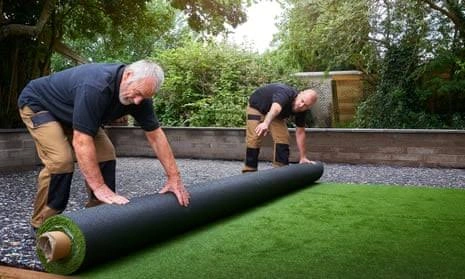
Modern artificial grass is not the scratchy, bright-green carpet of 1970s sports fields. Today’s residential turf is engineered to mimic the look and feel of natural grass using polyethylene or polypropylene fibers, with a latex or polyurethane backing that holds the blades upright. A proper installation starts with excavating the existing soil, laying a compacted aggregate base for drainage, and then securing the turf rolls with nails or staples. Infill material, typically crumb rubber, silica sand, or a mix of both, is then brushed into the blades to keep them standing and add weight.
The result is a surface that looks fairly natural from a distance, stays green year-round, and requires no watering, mowing, or fertilizing. That said, it is not completely maintenance-free. Leaves, pet waste, and debris need to be cleared regularly. Over time, high-traffic areas can mat down, requiring periodic brushing with a stiff-bristled broom. And in very hot climates, synthetic turf can absorb and radiate significant heat, sometimes reaching surface temperatures that are uncomfortable to walk on barefoot during peak summer hours.
What Paver Installation Looks Like
Pavers are individual units, made from concrete, natural stone, brick, or porcelain, that are set into a prepared base to create patios, walkways, driveways, or pool decks. Like artificial turf, a proper paver installation begins with excavation and a compacted gravel base. A layer of bedding sand is then spread and screeded to a precise level before the pavers are placed. Once the surface is complete, polymeric sand is swept into the joints and compacted to lock everything in place and resist weed growth.
The appeal of pavers is their strength and versatility. A well-installed paver surface can handle vehicle traffic, heavy furniture, and decades of weather exposure without cracking. Individual units can be lifted and replaced if they shift or crack, which keeps long-term repair costs low. Pavers also come in hundreds of styles, colors, and patterns, so they integrate easily with nearly any architectural style. The main drawbacks are the higher upfront cost compared to some alternatives and the fact that weeds can occasionally push through joints if the polymeric sand degrades over time.
Comparing the Two Side by Side
Looking at both options through the same lens makes the decision much clearer. The table below summarizes how artificial grass and pavers compare across the most common decision factors homeowners consider.
| Factor | Artificial Grass | Pavers |
| Average installed cost (per sq ft) | $8 to $20 | $10 to $30 |
| Lifespan | 10 to 20 years | 25 to 50+ years |
| Maintenance frequency | Light, monthly | Minimal, occasional sealing |
| Heat absorption | High in direct sun | Moderate, varies by material |
| Drainage | Good with proper base | Excellent through joints |
| Pet and child friendly | Yes, with antimicrobial infill | Yes, with smooth surface selection |
| Weed resistance | Very high | Good, requires joint maintenance |
| Repair ease | Moderate (patch seaming) | High (individual unit replacement) |
Where Each Option Genuinely Shines
Artificial Grass Works Best For
- Lawns in drought-prone areas where water restrictions make natural grass impractical
- Households with dogs or young children who need a soft, cushioned play surface
- Shaded areas where natural grass struggles to grow and stays patchy
- Homeowners who want the appearance of a lawn without the ongoing maintenance routine
- Smaller yards or side passages where mowing equipment cannot easily operate
Pavers Work Best For
- Patios, outdoor dining areas, and entertainment spaces where furniture will sit
- Pool surrounds, where slip resistance and heat reflection matter
- Driveways and areas that need to bear vehicle weight
- Properties where long-term resale value and curb appeal are priorities
- Climates with extreme temperature swings, where synthetic materials may degrade faster
Combining Both in One Yard
One of the more practical approaches that landscape designers use regularly is treating artificial grass and pavers as complementary materials rather than competing ones. A concrete or natural stone patio can anchor the entertaining area near the house, while artificial turf fills the surrounding lawn space. Pavers can also be used to create stepping stone paths through a turf lawn, which reduces wear on the grass fibers and adds a cleaner visual structure to the yard.
Combining the two also solves some common drainage challenges. Pavers channel water away from hardscaped areas efficiently, while turf’s permeable base absorbs what falls in planted zones. Getting the grading right between the two surfaces is critical, and this is one of the main reasons professional installation matters. Poorly graded transitions between hard and soft surfaces can create pooling, which damages both materials over time and creates slip hazards.
Companies that specialize in both materials simultaneously are worth prioritizing when planning a combined installation. Go Turf Artificial Grass & Pavers is one example of a contractor that handles both surfaces, which simplifies project coordination and ensures the two materials are graded and installed to work together from the start.
Cost Breakdown and What Affects Pricing
Pricing for both surfaces varies significantly depending on material quality, local labor rates, the complexity of the site, and the size of the project. Artificial grass products range from budget-level turf at around $2 to $4 per square foot in materials alone to premium residential products that run $5 to $8 per square foot or more. When you add base preparation, labor, infill, and edging, total installed costs typically fall between $8 and $20 per square foot, with the national average sitting closer to $12 to $15 for mid-grade residential turf, according to HomeAdvisor’s cost data.
Pavers follow a similar structure. Concrete pavers are the most affordable, starting around $3 to $6 per square foot in materials, while natural stone like travertine or bluestone can reach $15 to $30 per square foot before installation. Full installed costs including excavation, base, sand, and labor tend to land between $10 and $30 per square foot depending on material and site conditions. The long lifespan of pavers means the cost-per-year calculation often favors them over artificial turf, which typically needs replacement after 15 to 20 years.
Environmental Considerations Worth Knowing
The environmental picture for both options is genuinely mixed. Artificial grass eliminates irrigation water use, pesticides, and fuel for mowing, which are real benefits in water-scarce regions. According to the Environmental Protection Agency, the average American household uses about 30 percent of its water outdoors, and a significant portion of that goes to lawn irrigation. Replacing a natural lawn with synthetic turf can eliminate that use entirely. On the downside, synthetic turf is made from petroleum-based plastics, and most products are not currently recyclable through standard programs at the end of their life.
Pavers have their own environmental trade-offs. Permeable paver systems, which are specifically designed with open joints filled with gravel, allow rainwater to filter back into the ground rather than running off into storm drains. This can meaningfully reduce a property’s contribution to stormwater runoff, which is a growing concern in urban and suburban areas. Conventional pavers without permeable design are largely impermeable and can increase runoff. The material source also matters; locally quarried stone has a lower transportation footprint than imported porcelain or exotic stone products.
Neither option is a clear environmental winner across every metric. The better choice depends on which environmental factors carry the most weight for a given property and region. In drought-prone areas, water savings from synthetic turf may outweigh material concerns. In flood-prone neighborhoods, permeable pavers may be the more responsible choice. Thinking through those regional factors before making a final decision leads to better long-term outcomes for both the property and the surrounding environment.