Introduction
Clean and safe water is essential for every property, and maintaining the integrity of a water supply system requires careful attention to plumbing safety measures. One of the most important aspects of protecting water quality is preventing contaminated water from flowing backward into a clean water supply. This issue, known as backflow, can create serious risks if it is not properly controlled.
Backflow can occur when changes in water pressure allow unwanted substances to enter drinking water systems. These contaminants may come from irrigation systems, industrial equipment, chemical storage areas, or other sources connected to a plumbing network. Without proper protection, backflow can compromise water quality and create health and safety concerns.
Professional backflow testing, repair & compliance services help ensure that backflow prevention devices are working correctly and meeting required safety standards. These services involve inspecting equipment, identifying problems, completing necessary repairs, and maintaining proper documentation. Understanding how backflow systems work, why testing is necessary, and the importance of compliance helps property owners protect their water systems effectively.
Understanding Backflow and Why It Happens
Backflow occurs when water flows in the opposite direction from its intended path. Normally, water moves from a clean supply source into a property and then through plumbing fixtures. However, certain pressure conditions can reverse this flow and allow contaminated water to enter the main supply.
There are two primary causes of backflow. The first is backpressure, which happens when pressure within a property’s plumbing system becomes greater than the pressure in the incoming water supply. This situation may occur in facilities with pumps, boilers, or elevated water pressure systems.
The second cause is backsiphonage, which occurs when pressure in the public water supply drops below the pressure inside a property. This can happen during water main breaks, firefighting activities, or other situations that reduce supply pressure.Because both conditions can allow contaminants to enter clean water systems, proper backflow prevention measures are essential.
The Role of Backflow Prevention Devices
Backflow prevention devices are designed to stop unwanted water flow and protect the quality of a water supply. These devices act as barriers between clean water sources and potential contaminants.
Different types of prevention devices are used depending on the level of risk and the type of plumbing system. Some systems use check valves, while others require more advanced assemblies designed for higher-risk applications.
These devices are commonly installed in locations where contamination risks may exist, including irrigation systems, commercial facilities, medical buildings, and industrial properties.A properly functioning prevention device provides an important layer of protection, but regular inspection and maintenance are necessary to ensure continued performance.
Regular testing is essential because backflow prevention devices contain mechanical components that can wear out over time. Dirt, corrosion, mineral buildup, and general use can affect their ability to function correctly.Testing verifies whether the device is operating according to safety requirements. During a professional inspection, technicians evaluate pressure levels, valve performance, and overall equipment condition.
Testing also helps identify problems before they become serious. A failing device may not show visible signs of damage, but professional testing can detect internal issues that could compromise water protection.For many properties, regular testing is required by regulations and local water authorities. Maintaining current test records helps demonstrate that the water system is being properly managed.
The Backflow Testing Process
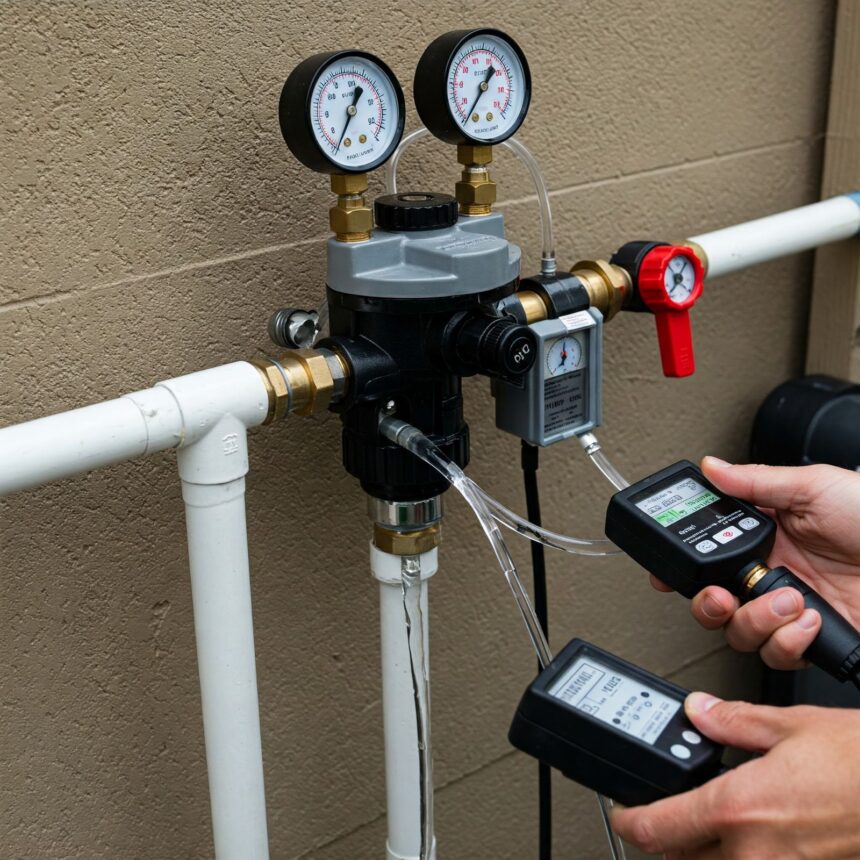
Professional backflow testing involves a detailed evaluation of the prevention device. Technicians use specialized testing equipment to measure performance and confirm that each component operates correctly.
The process usually begins with identifying the type of backflow device installed and reviewing its previous testing history. The technician then checks valves, pressure levels, and internal components.If the device passes the evaluation, documentation is completed to confirm compliance. If problems are discovered, repair or replacement recommendations may be provided.Accurate testing requires proper training and knowledge because incorrect procedures can lead to unreliable results. Certified professionals understand testing standards and follow approved methods.
Several issues can affect the performance of backflow prevention equipment. One common problem is valve failure, which can occur when internal components become worn or damaged.Leaks are another frequent concern. Damaged seals, loose connections, or deteriorated parts may prevent the device from maintaining proper protection.
Corrosion can also impact performance, especially in systems exposed to harsh water conditions or environmental factors. Corroded components may need repair or replacement to restore reliability.Debris buildup can interfere with valve movement and reduce effectiveness. Regular maintenance helps prevent these issues and keeps the device operating properly.
Pressure problems within the plumbing system can also affect backflow prevention performance. Professional evaluation helps identify whether the issue is related to the device or the overall water system.
Benefits of Professional Backflow Repair
When a backflow prevention device fails testing, professional repair is necessary to restore proper operation. Attempting repairs without proper knowledge can create additional problems or leave the system vulnerable.Professional technicians have the experience needed to identify damaged components and determine the most effective repair solution. Repairs may involve cleaning internal parts, replacing worn components, adjusting settings, or restoring damaged connections.
Proper repair helps maintain water safety and ensures that the prevention device continues protecting the supply system.Professional service also helps maintain compliance requirements. Completed repairs can be documented properly, providing proof that the system has been restored and tested.
Compliance refers to meeting established safety standards and regulations related to backflow prevention. Requirements vary depending on property type, system design, and applicable water safety rules.Many commercial and industrial properties have specific compliance obligations because they may contain higher-risk connections. Facilities such as healthcare buildings, manufacturing locations, and large irrigation systems often require regular inspections and documentation.
Compliance involves more than simply installing a prevention device. It includes scheduled testing, proper maintenance, accurate records, and timely repairs when problems are discovered.Maintaining compliance protects both the property and the surrounding water supply from potential contamination risks.
Commercial Applications of Backflow Prevention
Commercial properties often require advanced backflow protection because of their complex plumbing systems. Businesses may have multiple water connections, specialized equipment, and higher usage demands.Restaurants, for example, may need protection against contaminants from cleaning equipment and food preparation areas. Industrial facilities may require protection due to chemicals, processing systems, or specialized machinery.
Healthcare facilities have especially important water safety requirements because contamination risks can affect vulnerable individuals.Proper backflow management helps businesses maintain safe operations while meeting regulatory expectations.
Regular maintenance helps extend the lifespan of backflow prevention devices and reduces the chance of unexpected failures. Property owners should schedule inspections according to recommended timelines and applicable requirements.Keeping surrounding areas clean and accessible makes inspections and repairs easier. Technicians need clear access to equipment to perform accurate evaluations.
Monitoring for leaks, unusual pressure changes, or visible damage can help identify potential problems early.Maintaining accurate records of testing and repairs is also an important part of responsible system management.
Conclusion
Selecting a qualified professional is essential for accurate testing, effective repairs, and proper compliance management. Property owners should work with technicians who have appropriate training and experience with backflow prevention systems.A reliable service provider should offer detailed testing reports, explain any issues clearly, and provide recommendations based on the condition of the equipment.
Experienced professionals understand compliance requirements and follow approved testing procedures. Their expertise helps ensure that water systems remain protected and reliable.Choosing quality service reduces the risk of failures and helps maintain long-term water safety.
Backflow prevention is a critical part of maintaining safe and reliable water systems. Without proper protection, contaminated water can enter clean supplies and create serious concerns for properties and communities.Professional backflow testing, repair & compliance services help ensure that prevention devices function correctly, repairs are completed properly, and regulatory requirements are maintained. Regular testing, timely repairs, and accurate documentation work together to protect water quality.
Investing in professional backflow management provides long-term benefits by improving safety, maintaining compliance, and reducing the risk of costly water system problems. With proper care and expert support, backflow prevention systems can continue protecting clean water supplies effectively for years.