Marine navigation apps may appear similar at first. Most provide nautical charts, GPS positioning, route planning, and information designed to make time on the water easier. The differences become more noticeable when you consider how those features are presented and which tools receive the most attention.
For boaters comparing wavve boating vs argo, the decision largely comes down to navigation priorities. Wavve Boating places a strong emphasis on simplified charts, draft-aware depth information, tides, and visual navigation, while Argo combines navigation with a stronger focus on community features and flexible free and Premium options.
Wavve Focuses on Making Charts Easier to Read
Traditional nautical charts can contain a large amount of information. Experienced boaters may be comfortable interpreting them, but newer recreational boaters can find them intimidating.
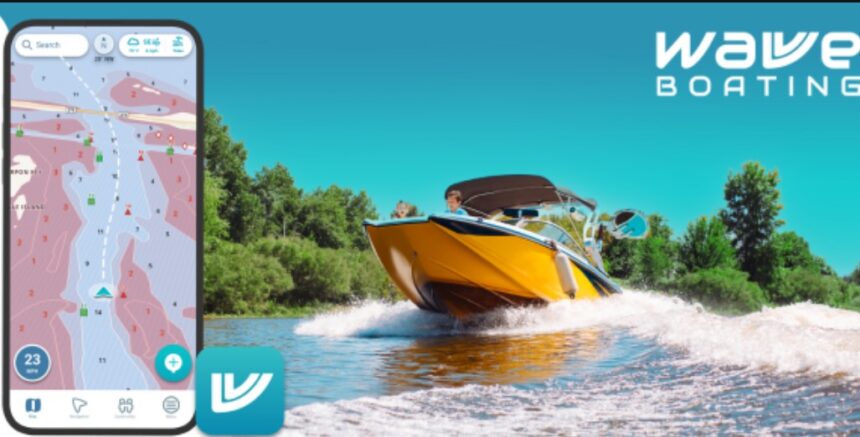
Wavve takes a more visual approach. Users enter their vessel’s draft, and the app adjusts depth shading to help distinguish navigable water from potentially shallow areas. It also integrates local water-level and tidal information where available.
This can be particularly useful for people who frequently navigate:
- Shallow bays
- Tidal waterways
- Rivers and inlets
- Coastal areas
- Unfamiliar lakes
Instead of repeatedly comparing chart depths with vessel draft and changing water levels, users receive a more personalized view of the water around them.
Argo Puts More Emphasis on the Boating Community
Argo approaches the experience somewhat differently.
While it provides navigation tools, the platform also emphasizes connections between boaters. Users can share information, participate in boating groups, review destinations, and access community-generated points of interest.
This social component can be useful for discovering anchorages, marinas, destinations, and information shared by people who regularly boat in the same area.
For boaters who enjoy discovering new places and interacting with a broader boating community, these features may be an important part of the decision.
Both Apps Offer Route Planning
Route planning is useful whether you’re taking a short afternoon cruise or exploring unfamiliar water.
Wavve’s autorouting considers channels, obstacles, and navigational conditions. Its current features also include ETA reporting, route importing and exporting, and breadcrumb trip recording.
Argo also provides routing capabilities, with additional planning and integration features available through Premium.
Regardless of the app you choose, automatically generated routes should always be reviewed against current conditions and navigational information before departure.
Depth Awareness Creates a Major Difference
Depth information is where the navigation philosophies of these apps become particularly noticeable.
Wavve combines vessel draft with depth information and changing water levels to visually adjust its charts. Its tide-aware depth tools are designed to help users understand how available water may change during the day.
Argo provides custom depth-related tools, but Wavve’s approach is more directly centered around dynamically connecting draft and tide information.
That distinction can matter significantly for boaters who frequently operate in shallow or tidal environments.
Weather Is Useful on Both Platforms
Weather can quickly change a boating plan, so having forecast information available alongside navigation tools is convenient.
Wavve provides multi-day forecasts, wave-height information, and wind overlays directly on its charts.
Argo also provides weather functionality, with more detailed forecasts and tide information available through its Premium offering.
The better approach depends on whether you primarily want weather integrated into a simple navigation display or prefer access to more detailed forecast information.
Offline Navigation Matters More Than You Might Expect
Cell service can disappear quickly once you leave developed shorelines.
Wavve allows users to download chart areas in advance and continue using GPS navigation without cellular service. Live environmental information such as updated weather and tidal data may require connectivity to refresh.
Argo also offers offline chart functionality through Premium. Its free tier is more dependent on connectivity for chart access.
For remote cruising, fishing trips, or exploring unfamiliar waterways, offline access should be considered before choosing an app.
Price Can Influence the Decision
The two apps also take different approaches to pricing.
Current Wavve information lists its annual subscription at $69.99 after a 14-day free trial.
Argo offers a functional free tier, while Premium is currently listed at $39.99 annually in Wavve’s comparison.
That makes Argo attractive for budget-conscious recreational boaters. Wavve’s higher cost is aimed at users who place greater value on its simplified navigation experience and tide-integrated, draft-aware depth tools.
Which Approach Fits Your Boating Style?
Wavve may be a stronger fit if you prioritize:
- Easy-to-read charts
- Shallow-water awareness
- Draft-based depth visualization
- Tide-integrated navigation
- A simplified interface
Argo may appeal more if you prioritize:
- A free entry point
- Social boating features
- Community information
- Lower Premium pricing
- Additional integrations
Neither approach is right for every boater.
Final Thoughts
Choosing between Wavve Boating and Argo is less about counting features and more about deciding which experience matches the way you spend time on the water.
Boaters frequently navigating shallow or tidal areas may appreciate Wavve’s draft-aware approach and simplified chart presentation. Those who prioritize community features, budget flexibility, and social discovery may find Argo more appealing.
The most practical way to decide is to consider the waters you navigate most often and the information you actually look at while underway. A boating app provides the most value when its strongest features solve the navigation challenges you regularly encounter.